Dans l'univers coloré des revêtements, un ingrédient en apparence ordinaire, mais pourtant essentiel, joue un rôle crucial. Discret, il se fond dans les peintures latex, les revêtements industriels, les mastics et les produits d'étanchéité. Bien qu'il reste souvent dans l'ombre, il assure silencieusement le bon déroulement de l'ensemble du cycle de vie d'un revêtement – de la production et du stockage à l'application et à la formation du film – garantissant ainsi une finition impeccable.
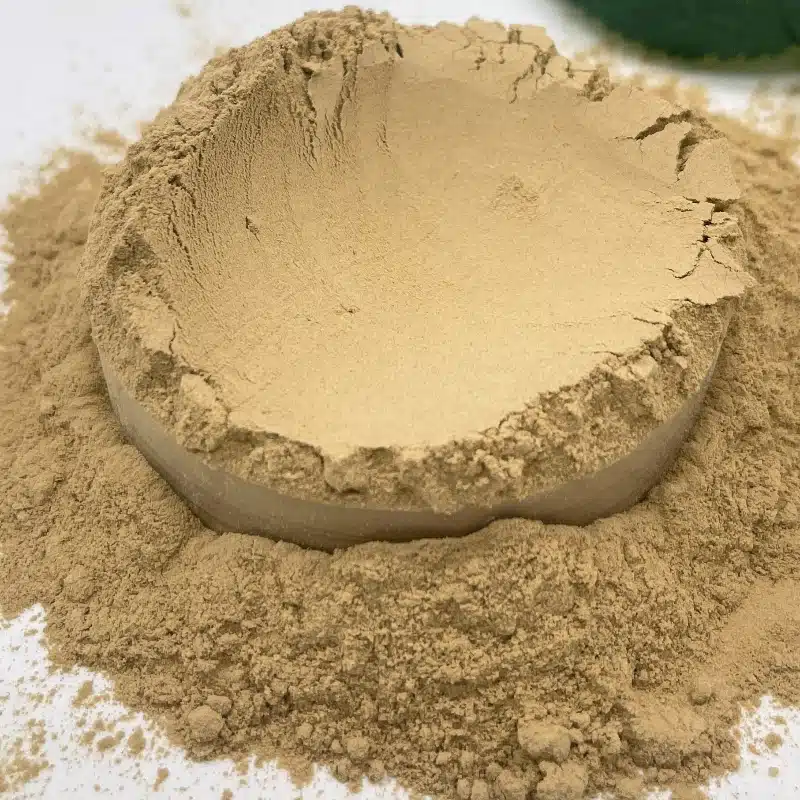
Ce composant fiable n'est autre que la poudre de bentonite, une argile naturelle minéral Composée principalement de montmorillonite, la bentonite brute, extraite directement d'une mine, ne peut être incorporée directement dans un pot de peinture. Sa transformation, d'une pierre brute à un additif de revêtement haut de gamme, repose entièrement sur la précision du traitement par des procédés modernes et performants. équipement de fraisage.
1. “ L’épaississant intelligent ” : pour des revêtements homogènes et stables
Imaginez ouvrir un pot de peinture resté sur une étagère pendant des semaines et découvrir que tous les pigments lourds sont compactés au fond, tandis qu'un liquide fin et aqueux flotte à la surface. Cette phase de “ sédimentation et de stratification ” est le pire cauchemar des formulateurs de peinture. La poudre de bentonite de qualité supérieure constitue la solution idéale à ce problème.
La montmorillonite possède une microstructure lamellaire unique et une capacité d'échange cationique exceptionnelle. Une fois dispersées dans l'eau, ses plaquettes microscopiques se délaminent, s'hydratent et se dilatent, se liant aux molécules d'eau pour former un réseau tridimensionnel. Cette structure gélifiée invisible constitue un squelette interne de soutien pour la peinture.
- Prévention de la sédimentation : Il met efficacement en suspension les pigments lourds et les particules de charge, les maintenant uniformément répartis et empêchant leur séparation à long terme.
- Épaississement intelligent : Elle offre une viscosité de base optimisée, garantissant que l'enrobage reste stable pendant le stockage tout en étant facile à mélanger une fois ouvert.
2. Le “ maître de la rhéologie ” : obtenir la texture d'application idéale
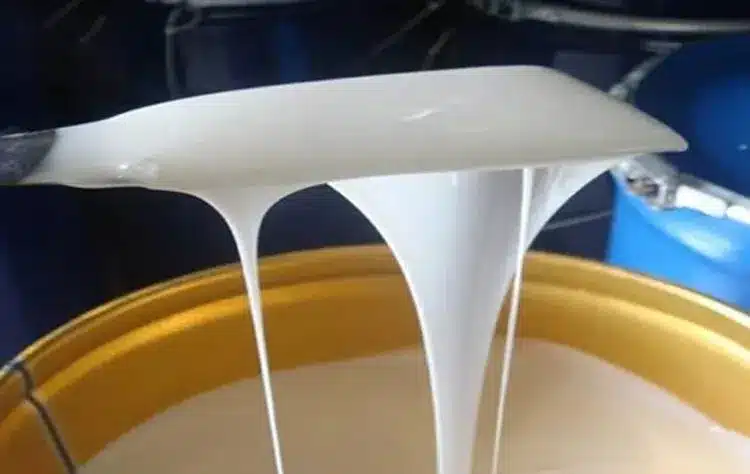
Au-delà de la stabilité statique, le ressenti tactile d'une peinture lors de son application est crucial. Dans ce contexte, la poudre de bentonite joue un rôle essentiel en matière de rhéologie, en ajustant avec précision la thixotropie de la formulation.
En termes simples, la thixotropie signifie qu'un matériau devient “ épais au repos, mais fluide lorsqu'il est agité ”. Ce comportement réversible dépend fortement du réseau structural de l'argile :
- Au repos: La structure interne du gel reste rigide, maintenant une viscosité élevée pour éviter l'affaissement (la peinture qui coule le long des parois verticales).
- Sous cisaillement (agitation ou brossage) : Le cisaillement mécanique rompt temporairement les liaisons du réseau, ce qui provoque une chute instantanée de la viscosité et permet à la peinture de s'écouler facilement et sans effort sous le pinceau.
- Après la candidature : Dès que la force de cisaillement cesse, le réseau de gel se rétablit rapidement, reconstituant sa viscosité pour éviter les coulures et les affaissements, ce qui garantit un film épais et uniforme.
Qu’il s’agisse de peintures texturées à haute épaisseur qui ne doivent pas couler ou de revêtements industriels appliqués sur des structures verticales en acier, ce contrôle rhéologique est indispensable.
3. Support multifonctionnel : bien plus qu'un simple épaississement
Les capacités opérationnelles de la poudre de bentonite de haute qualité vont bien au-delà de l'épaississement et de l'anti-décantation conventionnels ; c'est un agent multifonctionnel polyvalent :
- Synergie épaississante et réduction des coûts : Associé à des épaississants organiques comme les éthers de cellulose, il induit un puissant effet synergique. On obtient ainsi la viscosité souhaitée tout en réduisant la dose nécessaire d'épaississants organiques coûteux, ce qui diminue le coût global de la formulation.
- Résistance à l'eau améliorée : Étant un minéral inorganique, il est naturellement insoluble dans l'eau. Ses particules lamellaires ultrafines s'incorporent étroitement au film de peinture en cours de séchage, améliorant ainsi sa densité et sa résistance à l'humidité.
- Assistance à la suspension et à la reliure : Dans les systèmes à consistance épaisse comme les mastics et les revêtements en pierre architecturale, il contribue à la suspension des gros granules d'agrégats et améliore l'adhérence initiale à l'état humide.
- Écologique et sûr : En tant que minéral inorganique naturel, il est totalement non toxique, inodore et ne contient aucun COV (composé organique volatil), satisfaisant ainsi aux réglementations environnementales modernes les plus strictes.
4. Naturel vs. Modifié: Adaptation à différents systèmes chimiques
Les propriétés structurales de ce minéral varient selon ses deux principales formes naturelles :
- Bentonite sodique : Il présente des capacités de gonflement et d'absorption d'eau exceptionnelles ainsi qu'une résistance du gel suprême, ce qui en fait l'option privilégiée pour les revêtements à base d'eau.
- Bentonite calcique : Présente un gonflement naturel plus faible. Nécessite souvent des modifications au sodium ou est destiné à des formulations de revêtements d'entrée de gamme et moins exigeantes.
De plus, l'organobentonite obtenue par modification organique se disperse facilement dans les solvants à base d'huile (comme les peintures industrielles et les peintures anticorrosion). Elle assure également des propriétés anti-sédimentation, épaississantes et thixotropes.
5. Dans les coulisses : comment les équipements de broyage haute performance libèrent la vitalité des minéraux
La poudre de bentonite présente d'excellentes propriétés rhéologiques et anti-sédimentation, dues à deux exigences microscopiques. Premièrement, une délamination complète de sa structure lamellaire est nécessaire. Deuxièmement, une granulométrie ultrafine est requise. Si les grains de poudre sont trop grossiers, ils ne peuvent former un réseau de gel continu et induisent une texture granuleuse indésirable à la surface du revêtement. Par conséquent, un équipement de broyage performant est essentiel pour exploiter pleinement l'activité minérale.
Broyage ultrafin : ouvrir les portes du réseau de gel
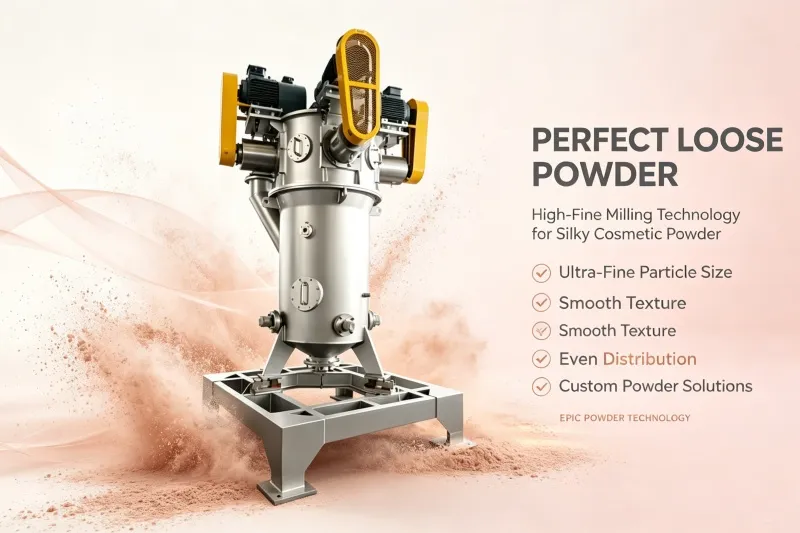
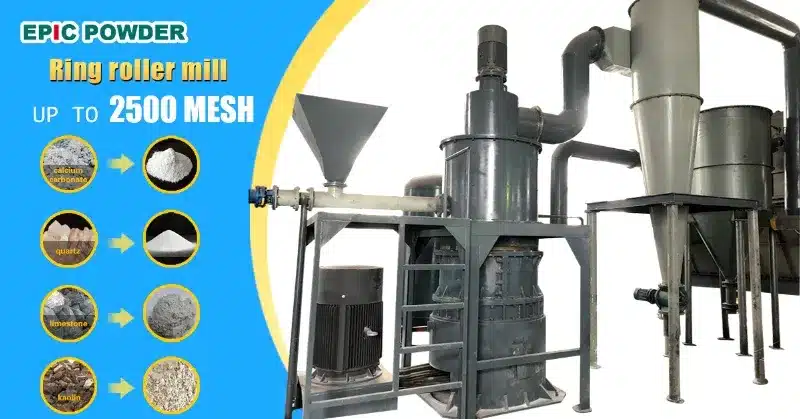
Pour assurer une hydratation rapide et une dispersion uniforme dans les liquides de peinture, l'argile doit être pulvérisée jusqu'à une granulométrie comprise entre 325 mesh et 1250 mesh (voire même à des niveaux submicroniques).
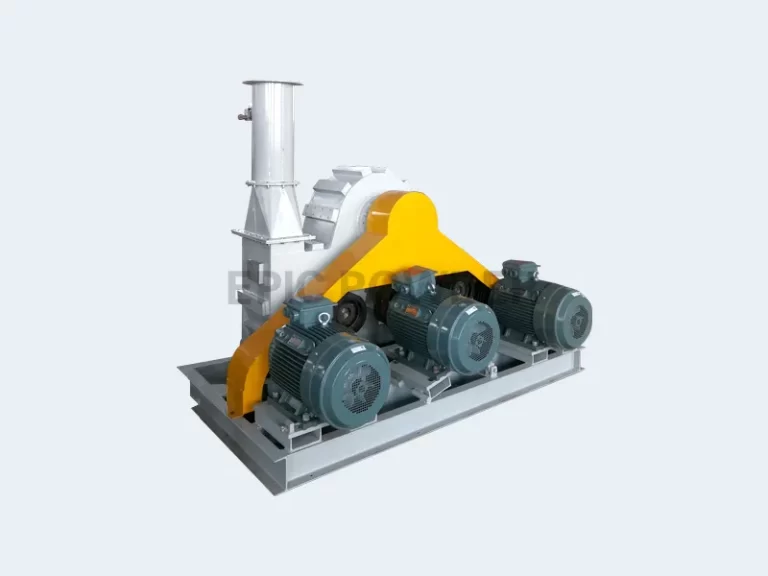
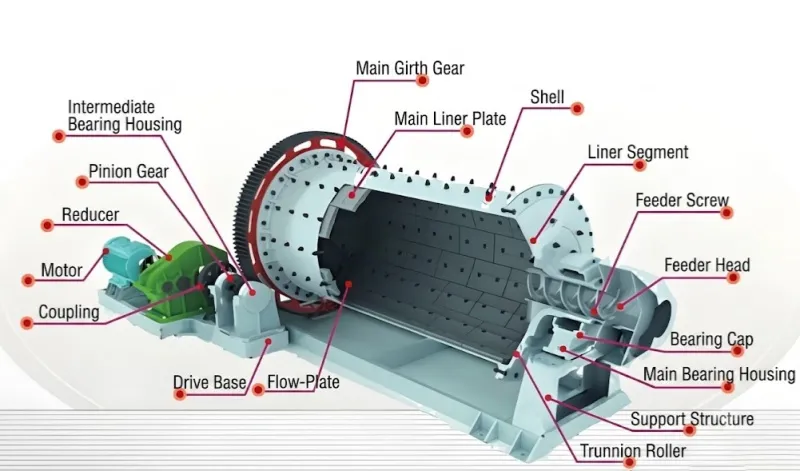
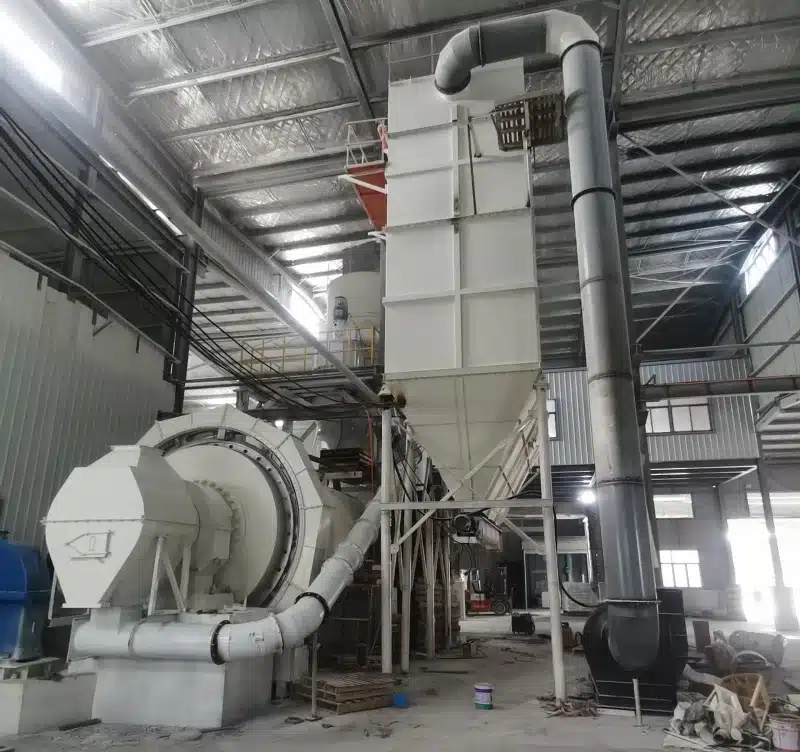
- Dans les installations industrielles modernes, les procédés ultra-fins broyeurs à cylindres annulaires sont déployées pour le traitement en profondeur par voie sèche.
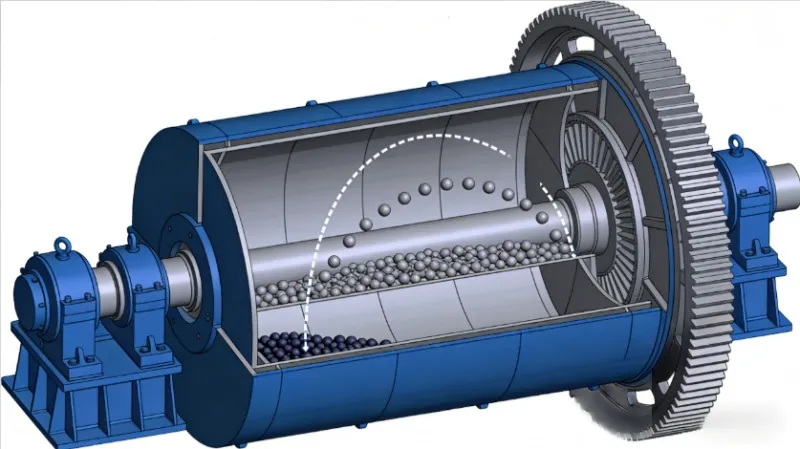
- Grâce à de puissantes forces d'extrusion et de broyage, ces machines pulvérisent efficacement le minerai de bentonite jusqu'à l'échelle micrométrique sans altérer la structure cristalline naturelle de la montmorillonite. Ceci augmente considérablement la surface spécifique de la poudre, ce qui entraîne une augmentation exponentielle de sa vitesse de dissolution et de son efficacité de gélification.
Classification précise de l'air : préservation de la douceur du film
Les revêtements haut de gamme ne tolèrent aucune particule surdimensionnée. Si des grains grossiers se retrouvent dans la préparation finale, le film obtenu présentera des défauts visibles immédiats.
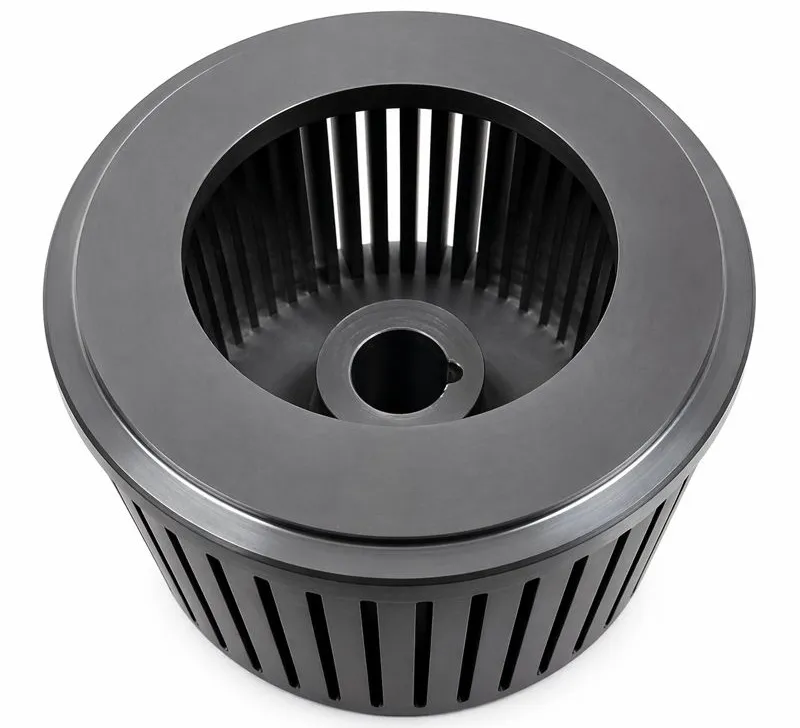
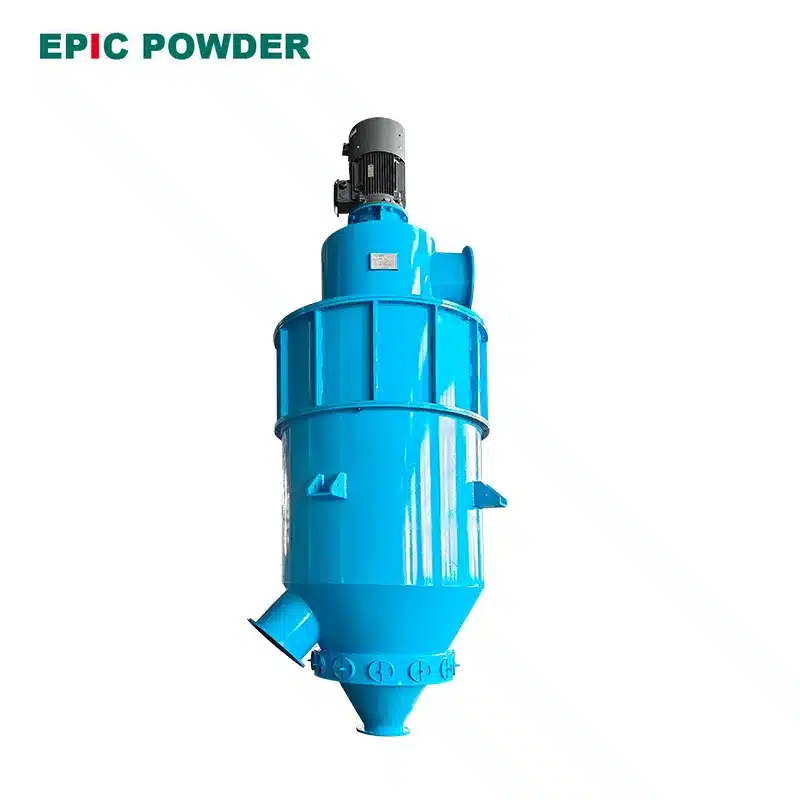
- Les lignes de traitement modernes intègrent des classificateurs pneumatiques à haut rendement directement au circuit de broyage. Grâce à des meules de classification rotatives à grande vitesse et à un contrôle précis du flux d'air, les particules grossières non broyées sont interceptées avec précision et renvoyées au broyage. Ceci garantit que la bentonite livrée aux fabricants de peinture présente une granulométrie extrêmement fine, assurant ainsi un film de peinture lisse et brillant.
Intégration de la délamination à cisaillement élevé et de la modification organique
Lors de la fabrication d'organoargiles pour les peintures industrielles à base d'huile, les configurations de machines spécialisées deviennent encore plus cruciales.
- Le procédé de modification nécessite l'intercalation d'activateurs chimiques en profondeur entre les feuillets de silicate. Grâce à un équipement de broyage à cisaillement élevé de pointe, les opérateurs appliquent des forces de cisaillement mécaniques extrêmes pour séparer les plaquettes d'argile empilées. Ceci permet aux agents modificateurs (tels que les sels d'ammonium quaternaire) de pénétrer en profondeur dans le réseau cristallin, transformant une argile hydrophile en une argile oléophile aux propriétés anti-sédimentation exceptionnelles.
Conclusion
Des murs intérieurs des habitations aux imposants ponts industriels en acier, la poudre de bentonite est un composant irremplaçable des peintures modernes. Ceci est dû à ses propriétés de suspension exceptionnelles, à sa thixotropie unique et à son excellent rapport qualité-prix.
Bien que le consommateur final ne le voie jamais mentionné sur l'étiquette d'un pot de peinture, il joue un rôle crucial. Tel un “ majordome invisible ”, il garantit la qualité du revêtement. Derrière ce “ majordome ” se cache un équipement de fraisage de pointe. Ces systèmes constituent l'épine dorsale technologique essentielle.
La technologie de traitement des poudres de haute précision rend cette transformation possible. Elle permet à l'argile ordinaire de devenir un additif de revêtement de haute technologie. Ainsi, la terre brute se transforme en un matériau fonctionnel essentiel, contribuant à garantir la qualité et la stabilité de chaque lot de production.

“ Merci de votre lecture. J’espère que cet article vous sera utile. N’hésitez pas à laisser un commentaire ci-dessous. Pour toute question, vous pouvez également contacter le service client en ligne de Zelda. ”
— Publié par Emily Chen