No mundo colorido dos revestimentos, existe um "mordomo" aparentemente comum, mas extremamente habilidoso. Ele se integra discretamente às tintas látex, revestimentos industriais, massas de vidraceiro e selantes impermeabilizantes. Embora raramente seja o centro das atenções, comanda silenciosamente todo o ciclo de vida de um revestimento — da produção e armazenamento à aplicação e formação da película — garantindo um acabamento final impecável.
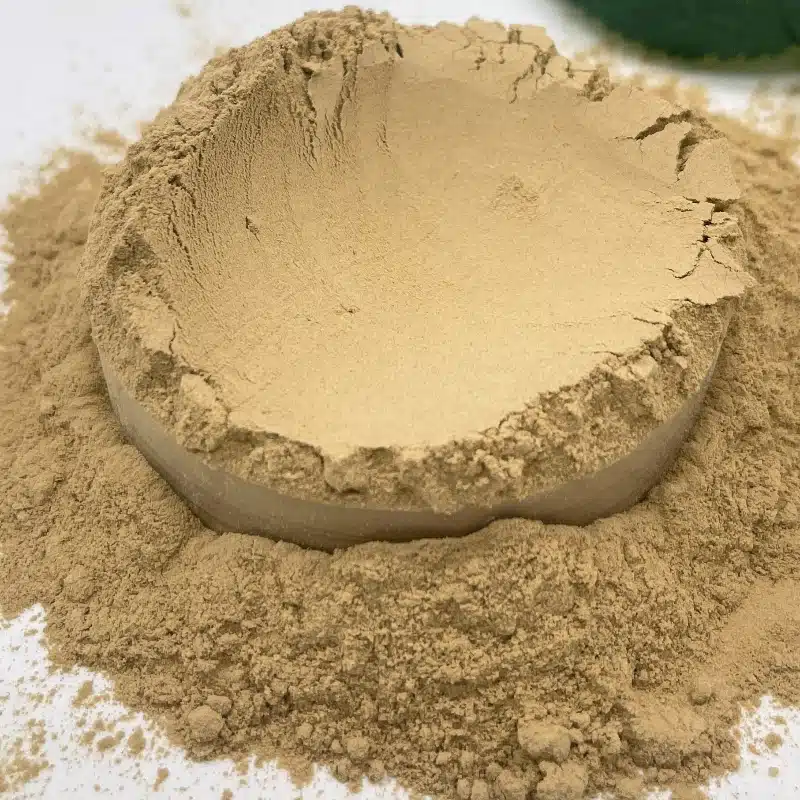
Esse componente confiável nada mais é do que o pó de bentonita, uma argila natural. mineral Composta principalmente de montmorilonita, a bentonita bruta, recém-extraída de uma mina, não pode ser adicionada diretamente a um recipiente para tinta. A transformação de uma pedra bruta em um aditivo de revestimento de alta qualidade depende inteiramente do processamento preciso realizado por equipamentos modernos e de alta eficiência. equipamentos de moagem.
1. O “Espessante Inteligente”: Mantendo os Revestimentos Homogêneos e Estáveis
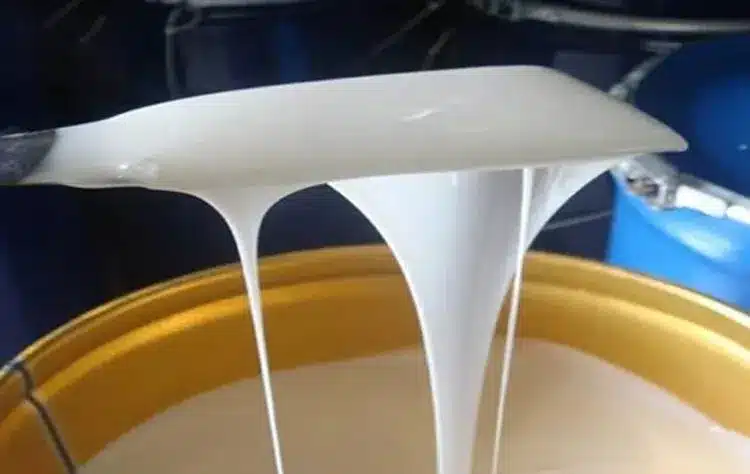
Imagine abrir uma lata de tinta que ficou na prateleira por algumas semanas e encontrar todos os pigmentos densos compactados no fundo, com um líquido fino e aguado flutuando na superfície. Essa fase de "sedimentação e estratificação" é o pior pesadelo de qualquer fabricante de tintas. O pó de bentonita de alta qualidade é a solução definitiva para esse problema.
A montmorilonita possui uma microestrutura em camadas única e uma capacidade excepcional de troca catiônica. Uma vez dispersa em água, suas plaquetas microscópicas se desprendem, hidratam e expandem, ligando-se às moléculas de água para construir uma estrutura de rede tridimensional. Essa estrutura de gel invisível atua como um esqueleto interno de suporte para a tinta.
- Prevenção da sedimentação: Ele suspende eficazmente partículas pesadas de pigmento e carga, mantendo-as uniformemente distribuídas e evitando a separação a longo prazo.
- Espessamento inteligente: Proporciona uma viscosidade inicial otimizada, garantindo que o revestimento permaneça estável durante o armazenamento, mas seja facilmente agitável após aberto.
2. O “Mestre da Reologia”: Proporcionando a Textura de Aplicação Ideal
Além da estabilidade estática, a resposta tátil de uma tinta durante a aplicação é crucial. Nesse sentido, o pó de bentonita atua como um mestre da reologia, ajustando com precisão a tixotropia da formulação.
Em termos simples, tixotropia significa que um material se torna “espesso quando em repouso, mas fluido quando agitado”. Esse comportamento reversível depende muito da estrutura da argila:
- Em repouso: A estrutura interna do gel permanece rígida, mantendo alta viscosidade para evitar o escorrimento (pingo de tinta em paredes verticais).
- Sob cisalhamento (misturando ou escovando): O cisalhamento mecânico rompe temporariamente as ligações da rede, fazendo com que a viscosidade caia instantaneamente, permitindo que a tinta flua suave e sem esforço sob o pincel.
- Pós-candidatura: No momento em que a força de cisalhamento cessa, a rede de gel se recupera rapidamente, reconstruindo a viscosidade para impedir escorrimentos e deformações, o que garante um filme uniforme e espesso.
Seja lidando com tintas texturizadas de alta espessura que não podem escorrer ou com revestimentos industriais aplicados em estruturas verticais de aço, esse controle reológico é indispensável.
3. Suporte multifuncional: muito além de um simples aumento de espessura
As capacidades operacionais do pó de bentonita de alta qualidade vão muito além do espessamento e da antissedimentação convencionais; trata-se de um produto versátil com múltiplas funções:
- Espessamento sinérgico e redução de custos: Quando combinado com espessantes orgânicos como éteres de celulose, desencadeia um poderoso efeito sinérgico. Isso permite atingir a viscosidade desejada, reduzindo a dosagem necessária de ingredientes orgânicos caros e, consequentemente, diminuindo os custos gerais da formulação.
- Resistência à água aprimorada: Por ser um mineral inorgânico, é inerentemente insolúvel em água. Suas partículas ultrafinas em forma de placas se compactam firmemente na película de tinta em processo de cura, melhorando a densidade e a resistência à umidade.
- Assistência de suspensão e amarração: Em sistemas de alta viscosidade, como massas de vidraceiro e revestimentos arquitetônicos de pedra, auxilia na suspensão de grânulos de agregados grandes e aumenta a adesão inicial em meio úmido.
- Ecológico e seguro: Por ser um mineral inorgânico natural, é completamente atóxico, inodoro e não contém COVs (Compostos Orgânicos Voláteis), atendendo às mais rigorosas normas ambientais modernas.
4. Natural vs. ModificadoAdaptação a diferentes sistemas químicos
As propriedades estruturais deste mineral variam entre suas duas principais formas naturais:
- Bentonita sódica: Apresenta capacidades excepcionais de absorção de água e intumescimento, além de uma resistência superior do gel, tornando-se a opção preferida para revestimentos à base de água.
- Bentonita de cálcio: Apresenta características de intumescimento natural inferiores. Frequentemente requer melhorias na modificação com sódio ou é direcionado para formulações de revestimento de nível inferior e menos exigentes.
Além disso, a organobentonita obtida por meio de modificação orgânica pode ser bem dispersa em sistemas de solventes à base de óleo (como tintas industriais e tintas anticorrosivas). Ela também desempenha funções antissedimentação, espessante e de ajuste tixotrópico.
5. Nos bastidores: como os equipamentos de moagem de alto desempenho liberam a vitalidade mineral.
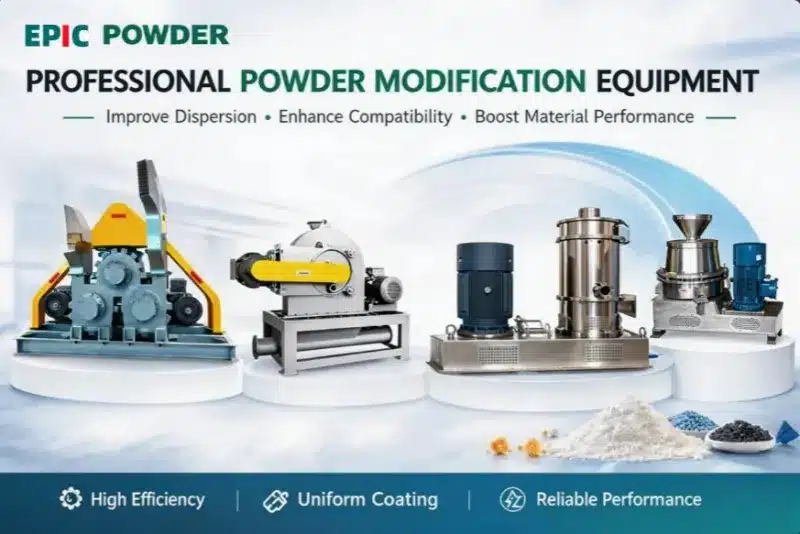
A razão pela qual o pó de bentonita apresenta excelentes propriedades reológicas e antissedimentação deve-se a dois requisitos microscópicos. Primeiro, é necessária a delaminação completa de suas estruturas em camadas. Segundo, é necessária uma distribuição granulométrica ultrafina. Se os grãos do pó forem muito grossos, não conseguirão formar uma rede de gel contínua. Além disso, introduzirão uma textura granulosa indesejável na superfície do revestimento. Portanto, equipamentos de moagem avançados são o principal fator para desbloquear a atividade mineral.
Moagem ultrafina: abrindo as portas para a rede de gel.
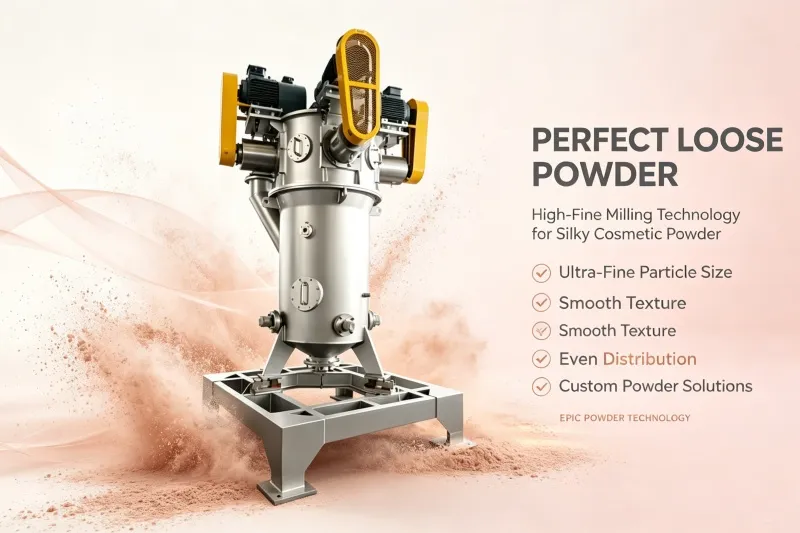
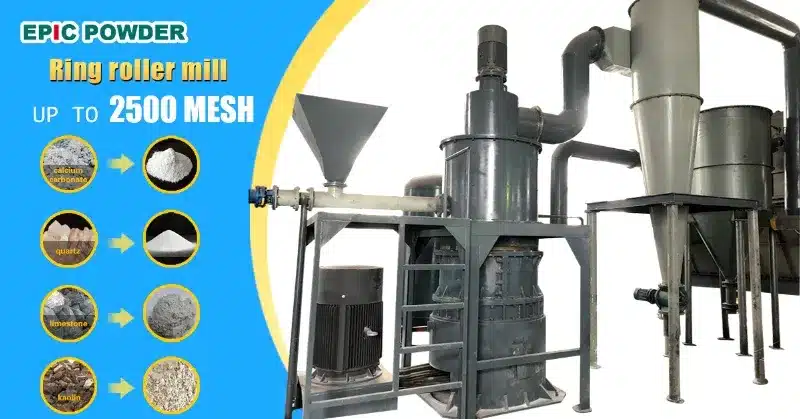
Para garantir hidratação rápida e dispersão uniforme em líquidos de tinta, a argila deve ser pulverizada até uma granulometria entre 325 e 1250 mesh (ou até mesmo em níveis submicrônicos).
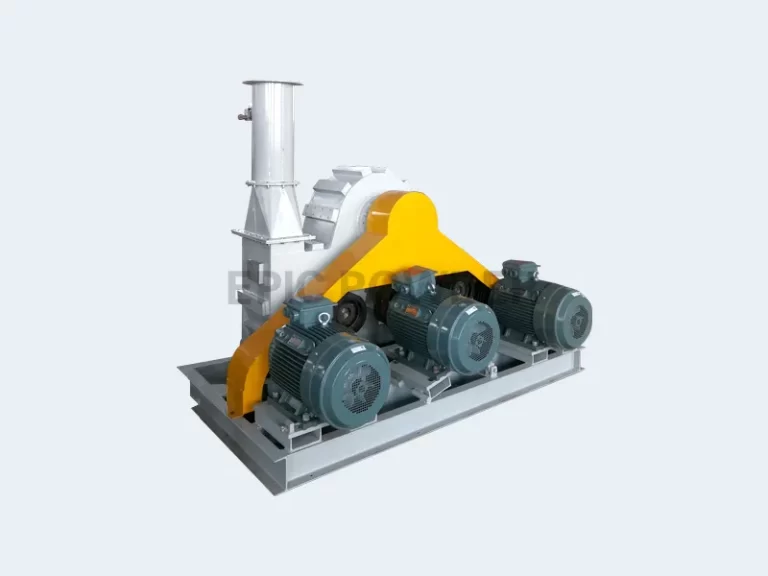
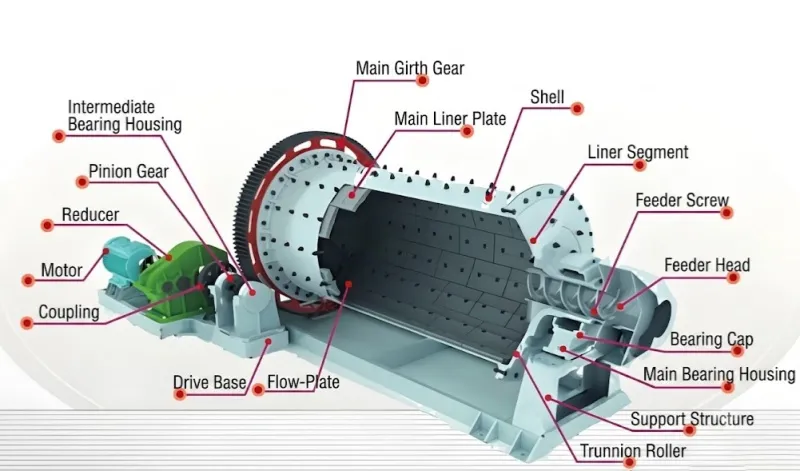
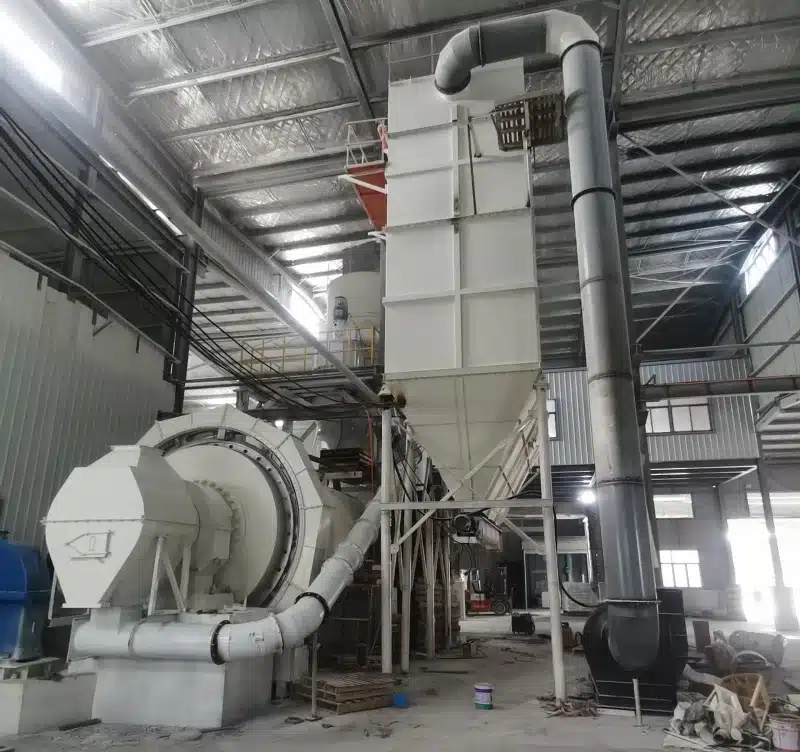
- Em instalações industriais modernas, ultrafinos moinhos de rolos anulares são utilizadas para processamento profundo a seco.
- Essas máquinas, por meio de poderosas forças de extrusão e moagem, pulverizam eficientemente o minério de bentonita até o nível micrométrico sem danificar a estrutura cristalina natural da montmorilonita. Isso aumenta significativamente a área superficial específica do pó, resultando em um aumento exponencial na sua taxa de dissolução e eficiência de gelificação.
Classificação precisa do ar: protegendo a suavidade da película.
Revestimentos de alta qualidade não toleram partículas de tamanho excessivo. Se grãos grosseiros passarem para o lote final, o filme resultante apresentará defeitos visuais imediatos.
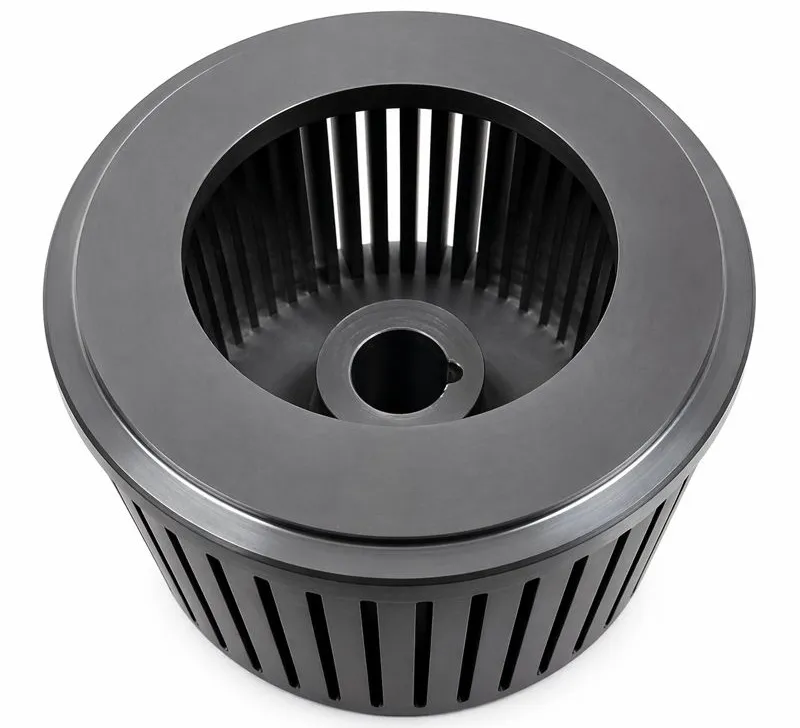
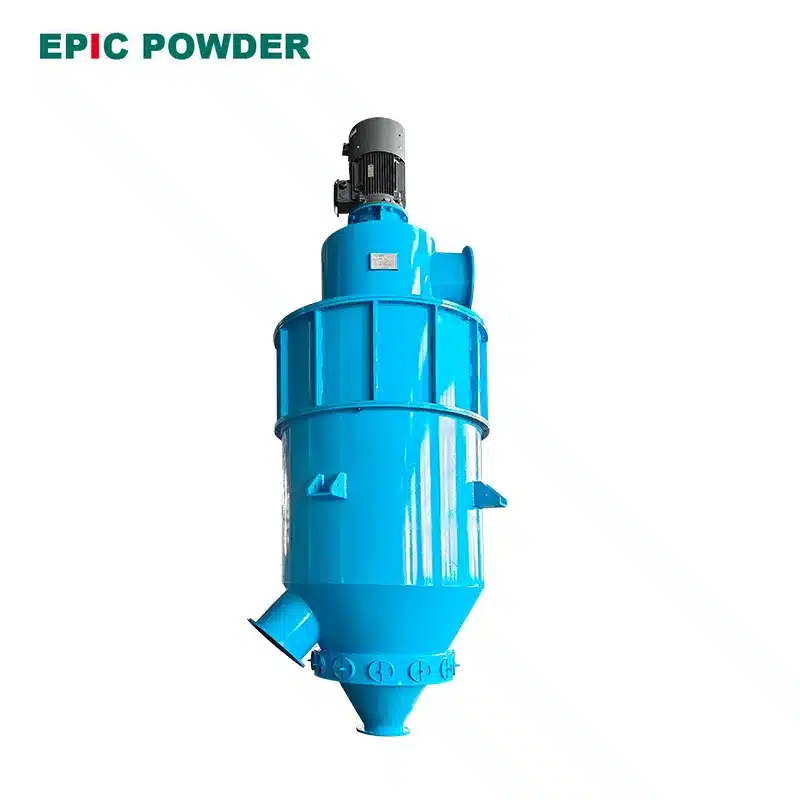
- As linhas de processamento modernas integram classificadores de ar de alta eficiência diretamente ao circuito de moagem. Através de rodas classificadoras rotativas de alta velocidade e controle preciso do fluxo de ar, as partículas grossas não trituradas são interceptadas com precisão e retornadas para remoagem. Isso garante que a bentonita fornecida aos fabricantes de tintas tenha uma distribuição granulométrica extremamente estreita, resultando em uma película de tinta lisa e com acabamento espelhado.
Integração de delaminação de alto cisalhamento e modificação orgânica
Na fabricação de organoargilas para tintas industriais à base de óleo, configurações de máquinas especializadas tornam-se ainda mais cruciais.
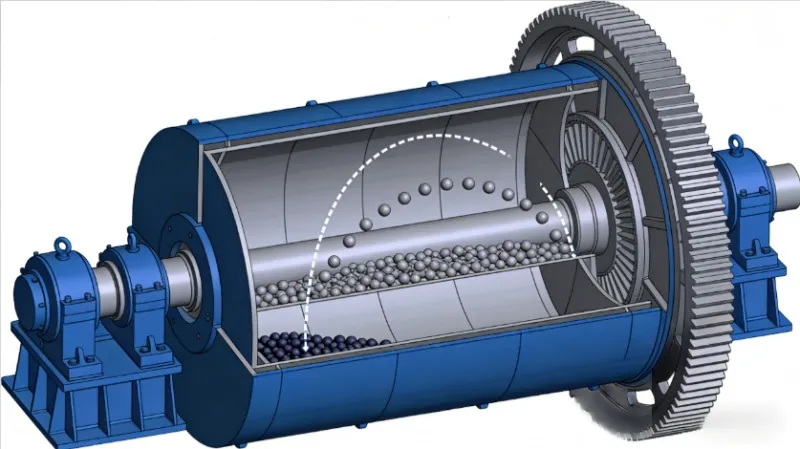
- O processo de modificação requer que ativadores químicos se intercalem profundamente entre as camadas de silicato. Utilizando equipamentos avançados de moagem de alta cisalhamento, os operadores aplicam forças mecânicas extremas de cisalhamento para separar à força as plaquetas de argila empilhadas. Isso permite que os agentes modificadores (como sais de amônio quaternário) penetrem completamente nas estruturas cristalinas, transformando uma argila hidrofílica em uma argila oleofílica com alta capacidade de resistir à sedimentação.
Conclusão
Desde paredes internas residenciais até enormes pontes industriais de aço, o pó de bentonita é um componente insubstituível na formulação de tintas modernas. Isso se deve às suas propriedades de suspensão incomparáveis, tixotropia única e alta relação custo-benefício.
Embora os consumidores finais possam nunca ver isso listado no rótulo de uma lata de tinta, ainda desempenha um papel crucial. Atua como um "mordomo invisível" confiável que protege a qualidade do revestimento. Por trás desse "mordomo" está um equipamento de moagem avançado. Esses sistemas fornecem a espinha dorsal tecnológica essencial.
A tecnologia de processamento de pó de alta precisão torna essa transformação possível. Ela permite que a argila comum se torne um aditivo de revestimento de alta tecnologia. Dessa forma, a terra bruta é transformada em um material funcional essencial. Isso ajuda a garantir a qualidade e a estabilidade de cada lote de produção.

“Obrigado pela leitura. Espero que meu artigo tenha ajudado. Deixe um comentário abaixo. Você também pode entrar em contato com o suporte online da Zelda para quaisquer outras dúvidas.”
— Publicado por Emily Chen