في عالم الطلاءات الزاخر بالألوان، يوجد عنصرٌ يبدو عاديًا ولكنه في غاية المهارة، أشبه بـ"خادم". يندمج هذا العنصر بهدوء في دهانات اللاتكس، والطلاءات الصناعية، والمعاجين، والمواد المانعة لتسرب الماء. ورغم أنه نادرًا ما يُسلَّط عليه الضوء، إلا أنه يُدير بصمت دورة حياة الطلاء بأكملها - من الإنتاج والتخزين إلى التطبيق وتكوين الطبقة - ضامنًا بذلك لمسة نهائية مثالية.
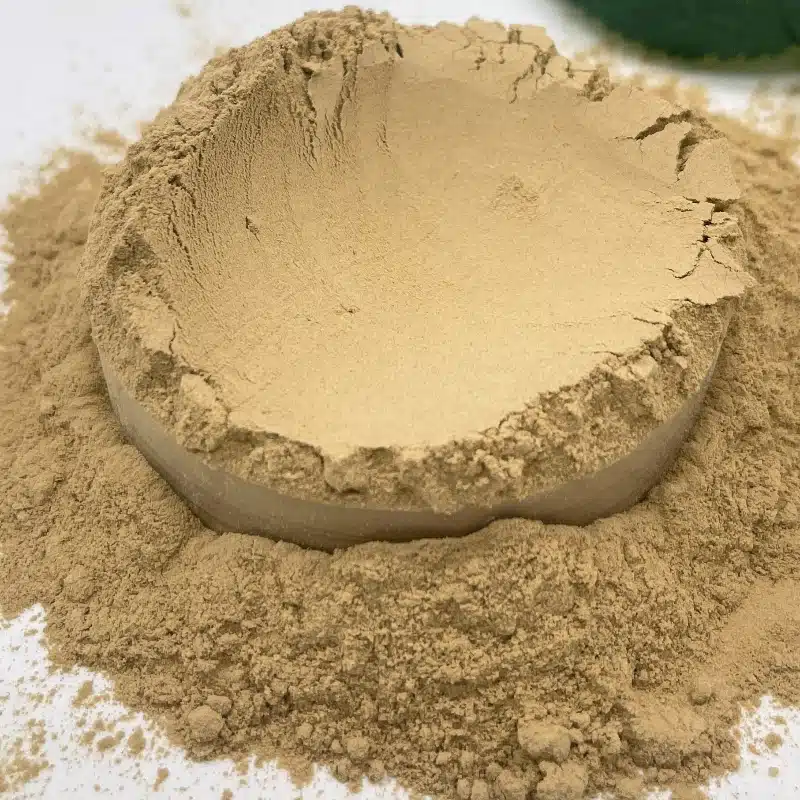
هذا المكون الموثوق ليس سوى مسحوق البنتونيت، وهو طين طبيعي معدن يتكون البنتونيت بشكل أساسي من المونتموريلونيت. ومع ذلك، لا يمكن وضع كتلة البنتونيت الخام المستخرجة حديثًا من المنجم مباشرة في دلو الطلاء. تعتمد عملية تحويل الحجر الخشن إلى مادة مضافة للطلاء من الدرجة الممتازة كليًا على المعالجة الدقيقة باستخدام تقنيات حديثة وعالية الكفاءة. معدات الطحن.
1. "المُكثِّف الذكي": الحفاظ على تجانس واستقرار الطلاءات
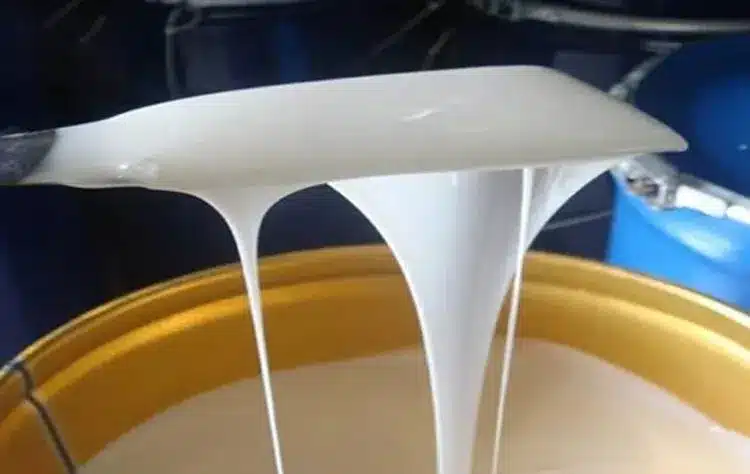
تخيّل أنك تفتح علبة طلاء ظلت على الرف لأسابيع، لتجد أن جميع الأصباغ الثقيلة متراصة بإحكام في القاع، بينما يطفو سائل رقيق مائي على السطح. تُعدّ مرحلة "الترسيب والتقسيم الطبقي" هذه كابوسًا حقيقيًا لمصنّعي الطلاء. ويُقدّم مسحوق البنتونيت عالي الجودة الحل الأمثل لهذه المشكلة.
يتميز المونتموريلونيت ببنية مجهرية طبقية فريدة وقدرة استثنائية على تبادل الكاتيونات. عند تشتيته في الماء، تنفصل صفائحه المجهرية، وتمتص الماء، وتتمدد، وترتبط بجزيئات الماء لتكوين بنية شبكية ثلاثية الأبعاد. يعمل هذا الهيكل الهلامي غير المرئي كهيكل داخلي داعم للطلاء.
- منع الترسيب: فهو يعلق بشكل فعال جزيئات الصبغة الثقيلة والحشو، مما يحافظ على توزيعها بشكل موحد ويمنع انفصالها على المدى الطويل.
- التكثيف الذكي: يوفر لزوجة أساسية مثالية، مما يضمن بقاء الطلاء مستقرًا أثناء التخزين مع سهولة تحريكه عند فتحه.
2. "خبير علم الريولوجيا": تقديم قوام التطبيق المثالي
إلى جانب الثبات الساكن، تُعدّ الاستجابة اللمسية للطلاء أثناء التطبيق بالغة الأهمية. وهنا، يعمل مسحوق البنتونيت كعامل رئيسي في علم الريولوجيا من خلال ضبط خاصية الانسيابية الدقيقة للتركيبة.
بعبارات بسيطة، تعني خاصية الانسيابية أن المادة تصبح "سميكة عند سكونها، ولكنها سائلة عند تحريكها". ويعتمد هذا السلوك العكسي بشكل كبير على الشبكة الهيكلية للطين:
- في حالة سكون: يظل الهيكل الهلامي الداخلي صلبًا، مما يحافظ على لزوجة عالية لمنع الترهل (تساقط الطلاء على الجدران الرأسية).
- تحت تأثير القص (التقليب أو الفرك): يؤدي القص الميكانيكي إلى كسر روابط الشبكة مؤقتًا، مما يتسبب في انخفاض اللزوجة على الفور بحيث يتدفق الطلاء بسلاسة وبدون عناء تحت الفرشاة.
- بعد تقديم الطلب: في اللحظة التي تتوقف فيها قوة القص، تستعيد شبكة الجل عافيتها بسرعة، وتعيد بناء اللزوجة لإيقاف التسربات والترهلات، مما يضمن طبقة سميكة وموحدة.
سواء كان الأمر يتعلق بالدهانات ذات الملمس السميك التي يجب ألا تتساقط أو الطلاءات الصناعية المطبقة على الهياكل الفولاذية الرأسية، فإن التحكم في الخواص الريولوجية أمر لا غنى عنه.
3. دعم متعدد الوظائف: يتجاوز مجرد زيادة السماكة
تتجاوز القدرات التشغيلية لمسحوق البنتونيت عالي الجودة بكثير عمليات التكثيف التقليدية ومنع الترسيب؛ فهو منتج متعدد الاستخدامات ومتعدد المهام:
- زيادة الكثافة التآزرية وخفض التكاليف: عند دمجه مع مواد مُكثِّفة عضوية مثل إيثرات السليلوز، فإنه يُحدث تأثيرًا تآزريًا قويًا. وهذا يُحقق اللزوجة المطلوبة مع تقليل الجرعة اللازمة من المواد العضوية باهظة الثمن، مما يُخفض التكاليف الإجمالية للتركيبة.
- مقاومة محسّنة للماء: كونه معدنًا غير عضوي، فهو غير قابل للذوبان في الماء بطبيعته. تتراص جزيئاته الصفائحية فائقة الدقة بإحكام في طبقة الطلاء المتصلبة، مما يحسن الكثافة ومقاومة الرطوبة.
- المساعدة في التعليق والربط: في الأنظمة ذات القوام الثقيل مثل المعاجين وطلاءات الأحجار المعمارية، فإنه يساعد في تعليق حبيبات الركام الكبيرة ويعزز الالتصاق الرطب الأولي.
- صديق للبيئة وآمن: باعتباره معدنًا غير عضوي طبيعي، فهو غير سام تمامًا، وعديم الرائحة، ولا يحتوي على أي مركبات عضوية متطايرة، مما يجعله يفي بأكثر اللوائح البيئية الحديثة صرامة.
4. طبيعي مقابل. معدلالتكيف مع الأنظمة الكيميائية المختلفة
تختلف الخصائص الهيكلية لهذا المعدن باختلاف شكليه الطبيعيين الأساسيين:
- بنتونيت الصوديوم: يتميز بقدرات استثنائية على امتصاص الماء والتورم وقوة هلامية فائقة، مما يجعله الخيار المفضل للطلاءات المائية.
- بنتونيت الكالسيوم: يتميز بخصائص انتفاخ طبيعي أقل. غالباً ما يتطلب تعديلات لتحسين نسبة الصوديوم أو يُستخدم في تركيبات الطلاء منخفضة المستوى والأقل تطلباً.
علاوة على ذلك، يمكن تشتيت البنتونيت العضوي المُستخلص من خلال التعديل العضوي بشكل جيد في أنظمة المذيبات الزيتية (مثل الدهانات الصناعية والدهانات المقاومة للتآكل). كما أنه يؤدي وظائف منع الترسيب، وزيادة اللزوجة، وتعديل الانسيابية.
5. من وراء الكواليس: كيف تُطلق معدات الطحن عالية الأداء حيوية المعادن
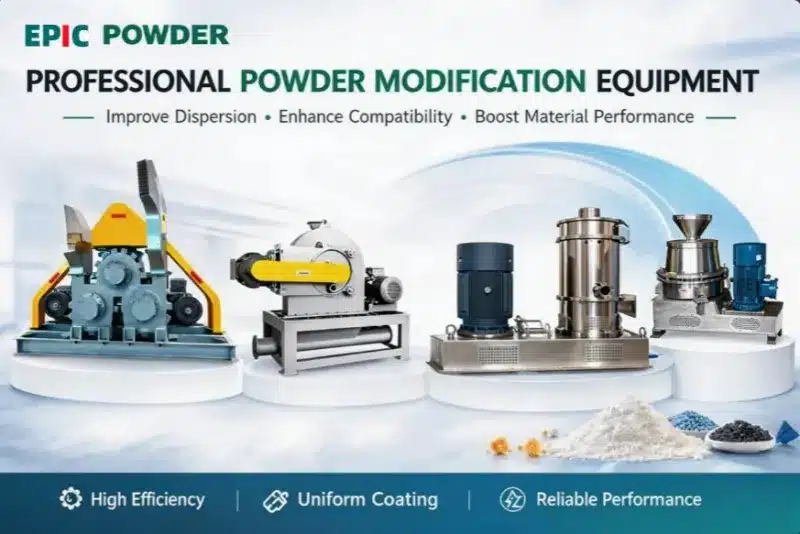
يعود السبب في تمتع مسحوق البنتونيت بخصائص انسيابية ومقاومة ترسب ممتازة إلى شرطين مجهريين. أولهما، ضرورة فصل طبقاته بشكل كامل. وثانيهما، ضرورة توزيع دقيق للغاية لحجم الجسيمات. فإذا كانت حبيبات المسحوق خشنة جدًا، فلن تتمكن من تكوين شبكة هلامية متصلة، كما أنها ستُضفي ملمسًا خشنًا غير مرغوب فيه على سطح الطلاء. لذا، تُعدّ معدات الطحن المتطورة العامل الأساسي لتحفيز النشاط المعدني.
الطحن فائق الدقة: فتح أبواب شبكة الجل
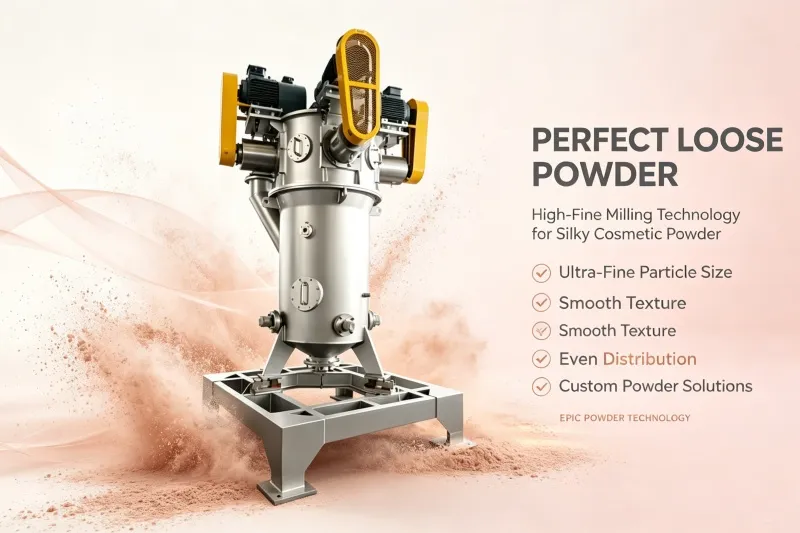
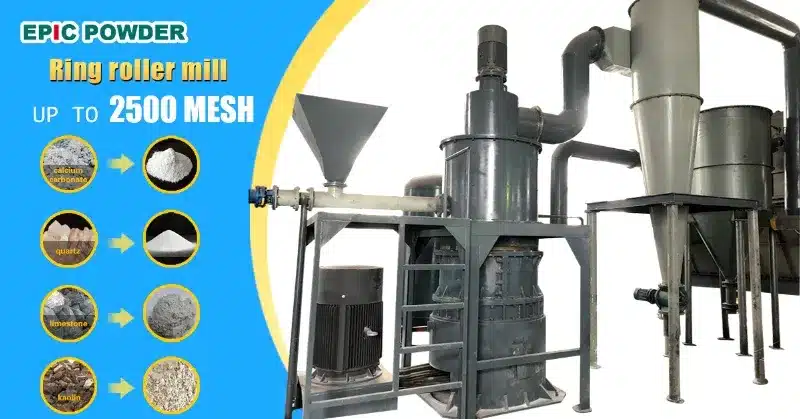
لضمان الترطيب السريع والتشتت الموحد في سوائل الطلاء، يجب طحن الطين إلى نطاق يتراوح من 325 شبكة إلى 1250 شبكة (أو حتى مستويات دون الميكرون).
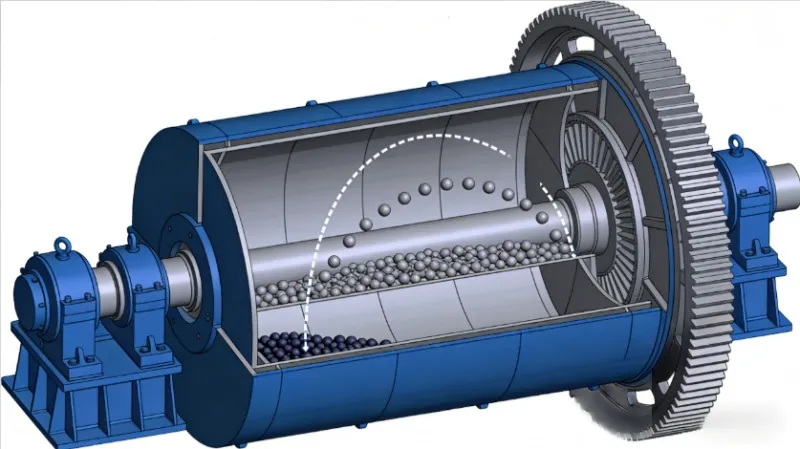
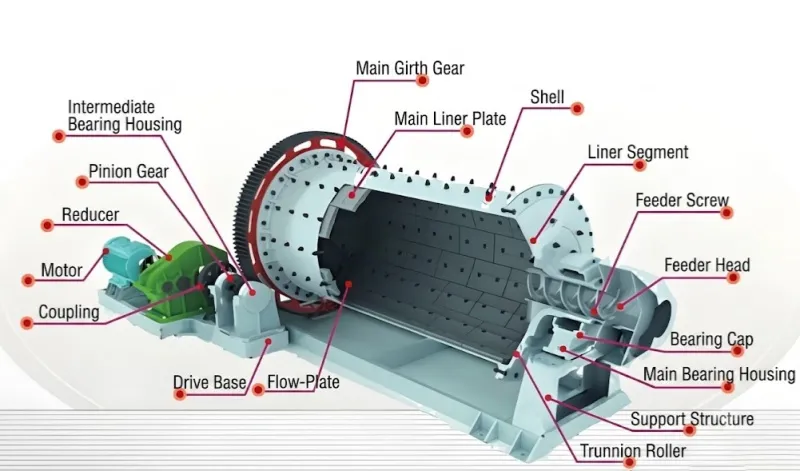
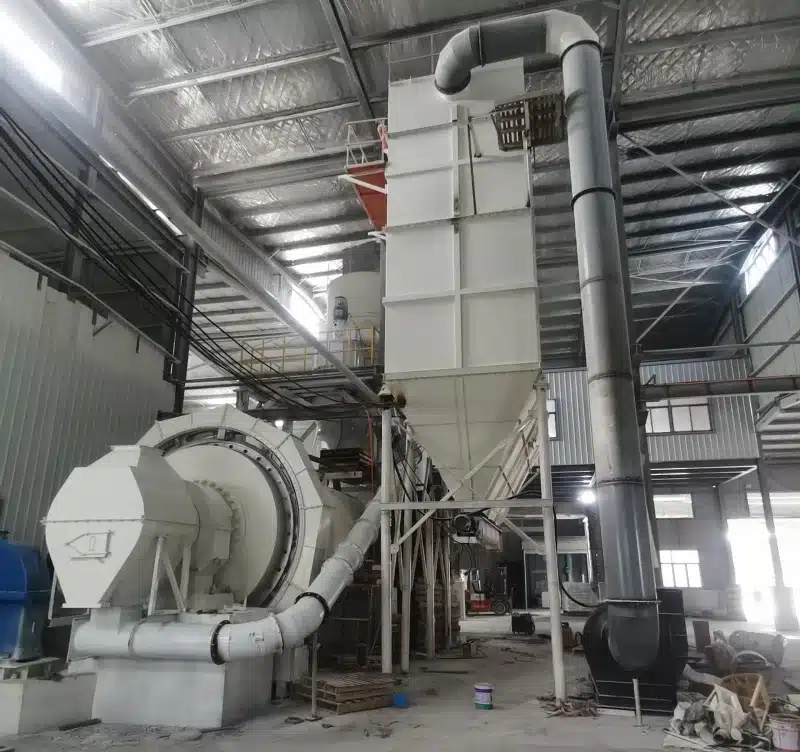
- في المنشآت الصناعية الحديثة، فائقة الدقة مطاحن الأسطوانات الحلقية تُستخدم هذه الأدوات في المعالجة العميقة باستخدام الطريقة الجافة.
- تقوم هذه الآلات، من خلال قوى البثق والطحن القوية، بسحق خام البنتونيت بكفاءة عالية إلى مستوى الميكرون دون الإضرار بالبنية البلورية الطبيعية للمونتوموريلونيت. وهذا يزيد بشكل ملحوظ من مساحة السطح النوعية للمسحوق، مما يؤدي إلى زيادة هائلة في معدل ذوبانه وكفاءة تبلوره.
تصنيف دقيق للهواء: الحفاظ على نعومة طبقة الفيلم
لا تتحمل الطلاءات الممتازة أي جزيئات كبيرة الحجم. إذا تسربت حبيبات خشنة إلى الدفعة النهائية، فستظهر عيوب مرئية فورية في الطبقة الناتجة.
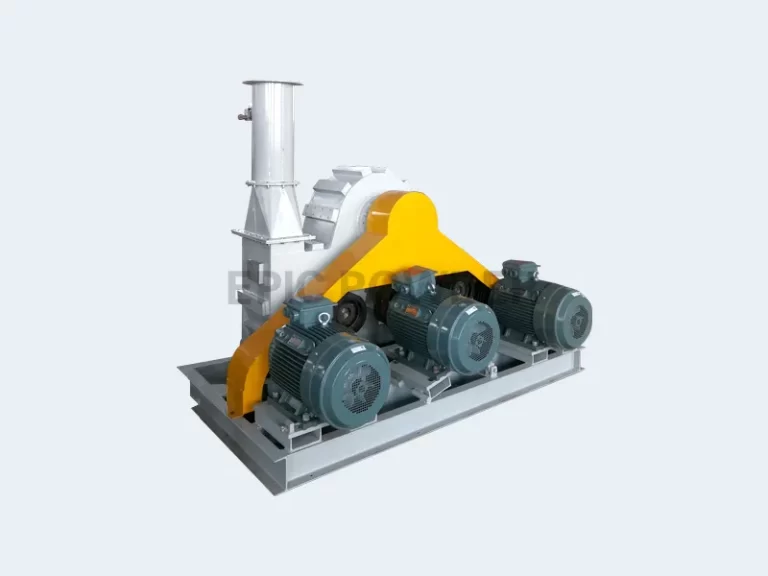
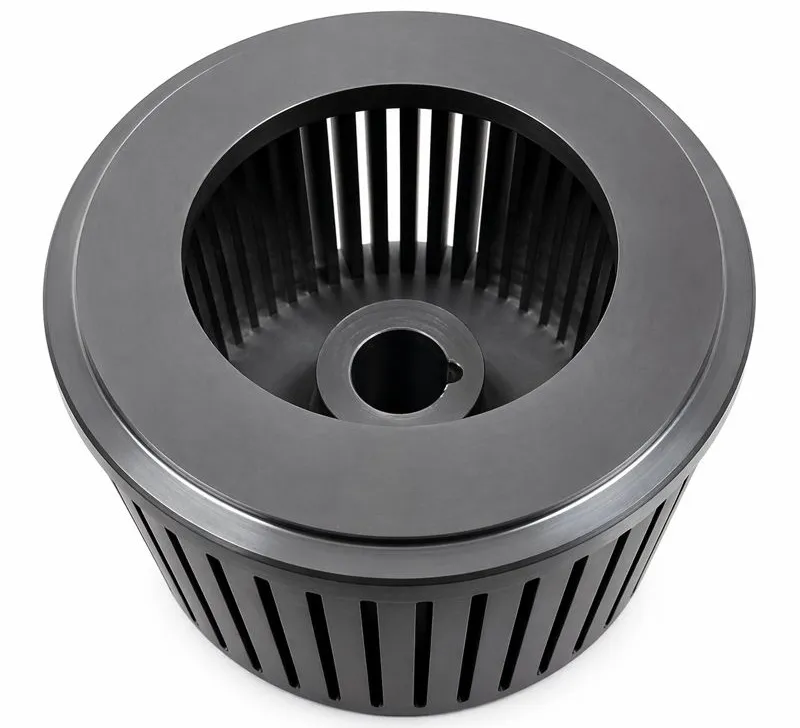
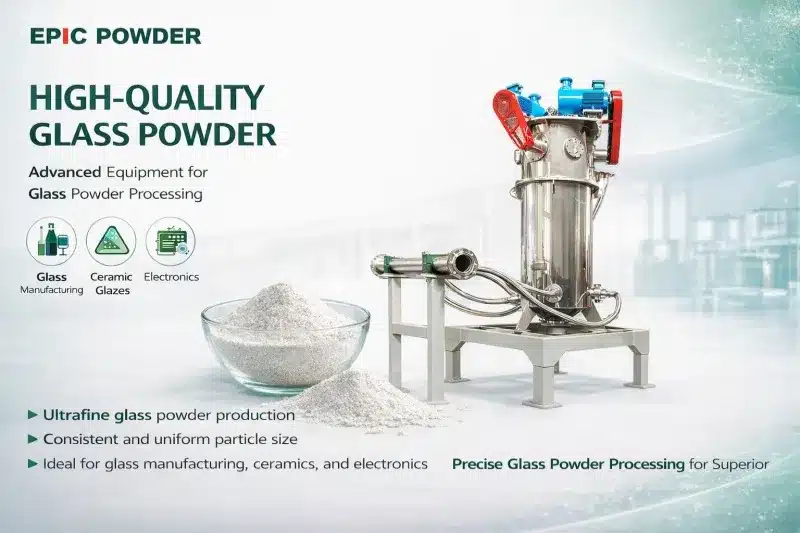
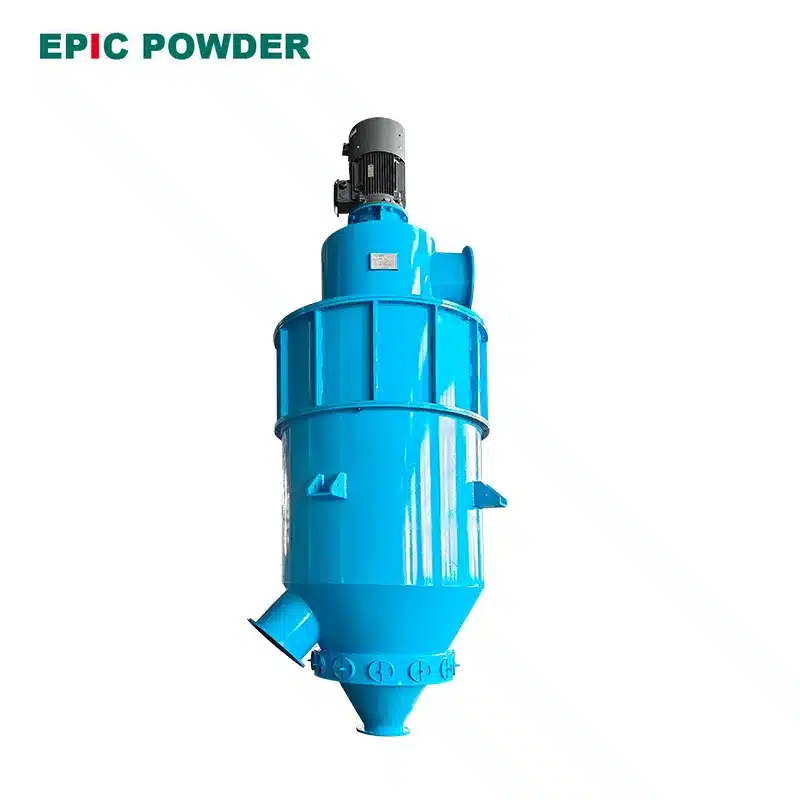
- تدمج خطوط المعالجة الحديثة مصنفات هوائية عالية الكفاءة مباشرةً مع دائرة الطحن. وبفضل عجلات التصنيف الدوارة عالية السرعة والتحكم الدقيق في مجال التدفق، يتم التقاط الجزيئات الخشنة غير المطحونة بدقة وإعادتها لإعادة الطحن. وهذا يضمن أن البنتونيت المُورّد لمصنعي الدهانات يتميز بتوزيع دقيق للغاية لحجم الجزيئات، مما يضمن طبقة طلاء ناعمة لامعة كسطح المرآة.
دمج عملية فصل الطبقات عالية القص والتعديل العضوي
عند تصنيع الطين العضوي للدهانات الصناعية الزيتية، تصبح تكوينات الآلات المتخصصة أكثر أهمية.
- تتطلب عملية التعديل استخدام مواد كيميائية منشطة تتخلل طبقات السيليكات بعمق. وباستخدام معدات طحن متطورة عالية القص، يطبق المشغلون قوى قص ميكانيكية هائلة لفصل صفائح الطين المتراصة بقوة. وهذا يسمح للمواد المعدلة (مثل أملاح الأمونيوم الرباعية) بالتغلغل تمامًا في الشبكات البلورية، محولةً الطين المحب للماء إلى طين محب للزيت ومضاد للترسب.
خاتمة
من الجدران الداخلية للمنازل إلى الجسور الفولاذية الصناعية الضخمة، يُعد مسحوق البنتونيت مكونًا لا غنى عنه في تركيبات الدهانات الحديثة. ويعود ذلك إلى خصائصه الفريدة في التعليق، وخاصية الانسيابية المميزة، وفعاليته من حيث التكلفة.
على الرغم من أن المستهلكين النهائيين قد لا يرونه مدرجًا على ملصق علبة الطلاء، إلا أنه لا يزال يلعب دورًا حاسمًا. فهو بمثابة "حارس خفي" موثوق به يحافظ على جودة الطلاء. وخلف هذا "الحارس" تقف معدات طحن متطورة. توفر هذه الأنظمة البنية التحتية التكنولوجية الأساسية.
تُتيح تقنية معالجة المساحيق عالية الدقة هذا التحول، حيث تُحوّل الطين العادي إلى مادة مضافة متطورة للطلاء. وبهذه الطريقة، يتحول الطين الخام إلى مادة وظيفية أساسية، مما يضمن جودة واستقرار كل دفعة إنتاج.

“شكراً لقراءتكم. أتمنى أن يكون مقالي مفيداً. يُرجى ترك تعليق أدناه. كما يمكنكم التواصل مع ممثل خدمة عملاء زيلدا عبر الإنترنت لأي استفسارات أخرى.”
— نشر بواسطة إميلي تشين