En el fascinante mundo de los recubrimientos, existe un "mayordomo" aparentemente común pero sumamente hábil. Se integra discretamente en pinturas de látex, recubrimientos industriales, masillas y selladores impermeables. Aunque rara vez acapara la atención, controla silenciosamente todo el ciclo de vida de un recubrimiento, desde su producción y almacenamiento hasta su aplicación y formación de la película, garantizando un acabado final impecable.
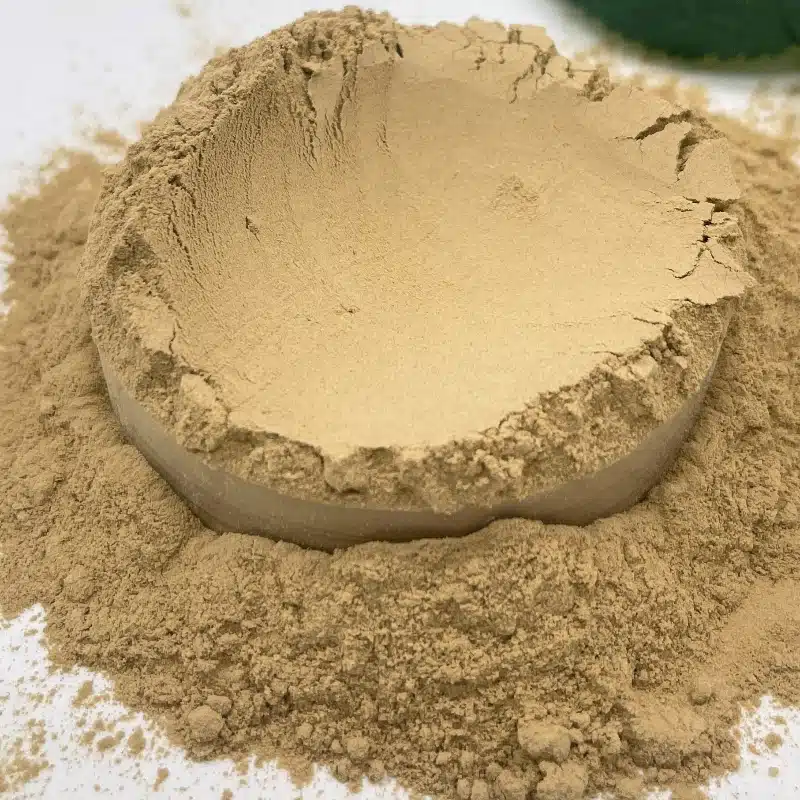
Este componente confiable no es otro que el polvo de bentonita, una arcilla natural. mineral compuesto principalmente de montmorillonita. Sin embargo, un bloque de bentonita en bruto recién extraído de una mina no se puede introducir directamente en un cubo de pintura. El viaje desde una piedra tosca hasta un aditivo de recubrimiento de primera calidad depende completamente del procesamiento de precisión de modernos y eficientes equipos de molienda.
1. El “espesante inteligente”: manteniendo los recubrimientos homogéneos y estables.
Imagínese abrir una lata de pintura que ha estado en un estante durante semanas y encontrar todos los pigmentos pesados compactados en el fondo, con un líquido ligero y acuoso flotando en la superficie. Esta fase de sedimentación es la peor pesadilla de un formulador de pinturas. El polvo de bentonita de alta calidad es la solución definitiva a este problema.
La montmorillonita posee una microestructura laminar única y una excepcional capacidad de intercambio catiónico. Una vez dispersa en agua, sus plaquetas microscópicas se delaminan, se hidratan y se expanden, uniéndose a las moléculas de agua para construir una estructura de red tridimensional. Este armazón de gel invisible actúa como un esqueleto interno de soporte para la pintura.
- Prevención de la sedimentación: Suspende eficazmente las partículas pesadas de pigmento y relleno, manteniéndolas distribuidas uniformemente y evitando su separación a largo plazo.
- Espesamiento inteligente: Ofrece una viscosidad base optimizada, lo que garantiza que el recubrimiento se mantenga estable durante el almacenamiento, pero que a la vez sea fácil de remover una vez abierto.
2. El “Maestro de la Reología”: Cómo lograr la textura de aplicación ideal
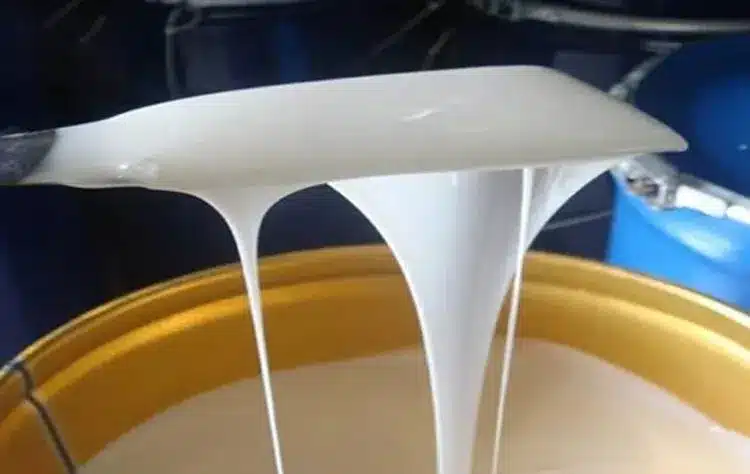
Más allá de la estabilidad estática, la retroalimentación táctil de una pintura durante su aplicación es fundamental. En este sentido, el polvo de bentonita actúa como un maestro de la reología, ajustando con precisión la tixotropía de la formulación.
En términos sencillos, la tixotropía significa que un material se vuelve "espeso en reposo, pero fluido al agitarse". Este comportamiento reversible depende en gran medida de la red estructural de la arcilla:
- En paz: La estructura interna del gel permanece rígida, manteniendo una alta viscosidad para evitar que la pintura se descuelgue (gotee por las paredes verticales).
- Bajo cizallamiento (agitación o cepillado): La cizalladura mecánica rompe temporalmente los enlaces de la red, lo que provoca una caída instantánea de la viscosidad, de modo que la pintura fluye de forma suave y sin esfuerzo bajo el pincel.
- Después de la solicitud: En el momento en que cesa la fuerza de cizallamiento, la red de gel se recupera rápidamente, reconstruyendo la viscosidad para evitar goteos y deformaciones, lo que garantiza una película uniforme y con buen volumen.
Ya se trate de pinturas texturizadas de alto espesor que no deben gotear o de recubrimientos industriales aplicados sobre estructuras verticales de acero, este control reológico es indispensable.
3. Soporte multifuncional: mucho más allá del simple engrosamiento
Las capacidades operativas del polvo de bentonita de alta calidad van mucho más allá del espesamiento y la prevención de sedimentación convencionales; es un producto multifuncional y versátil:
- Espesamiento sinérgico y reducción de costos: Al combinarse con espesantes orgánicos como los éteres de celulosa, se produce un potente efecto sinérgico. Esto permite alcanzar la viscosidad deseada a la vez que se reduce la dosis necesaria de compuestos orgánicos costosos, disminuyendo así los costos generales de la formulación.
- Mayor resistencia al agua: Al ser un mineral inorgánico, es intrínsecamente insoluble en agua. Sus partículas laminares ultrafinas se compactan firmemente en la película de pintura durante el curado, mejorando la densidad y la resistencia a la humedad.
- Asistencia en materia de suspensión y vinculación: En sistemas densos como masillas y revestimientos de piedra arquitectónica, ayuda a mantener en suspensión los gránulos de agregados grandes y mejora la adherencia inicial en húmedo.
- Ecológico y seguro: Al ser un mineral inorgánico natural, es completamente no tóxico, inodoro y no contiene COV (compuestos orgánicos volátiles), cumpliendo así con las normativas medioambientales modernas más estrictas.
4. Natural vs. ModificadoAdaptación a diferentes sistemas químicos
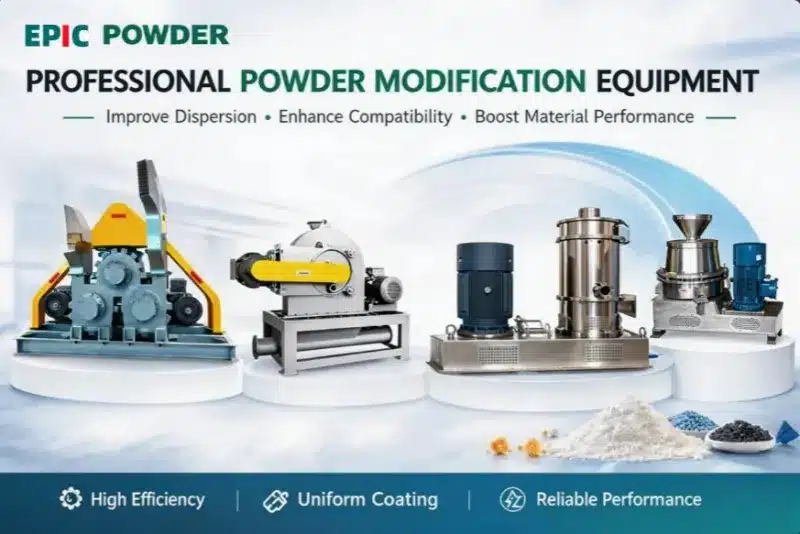
Las propiedades estructurales de este mineral varían según sus dos formas naturales principales:
- Bentonita sódica: Presenta una excepcional capacidad de hinchamiento por absorción de agua y una resistencia de gel suprema, lo que la convierte en la opción preferida para recubrimientos a base de agua.
- Bentonita de calcio: Presenta características de hinchamiento natural inferiores. A menudo requiere mejoras en la modificación con sodio o se utiliza en formulaciones de recubrimiento de gama baja y menos exigentes.
Además, la organobentonita obtenida mediante modificación orgánica se dispersa fácilmente en sistemas de disolventes a base de aceite (como pinturas industriales y anticorrosivas). También cumple funciones antisedimentación, espesantes y de ajuste tixotrópico.
5. Entre bastidores: Cómo los equipos de molienda de alto rendimiento liberan la vitalidad de los minerales
La excelente reología y las propiedades antisedimentación del polvo de bentonita se deben a dos requisitos microscópicos. Primero, es necesaria la deslaminación completa de sus estructuras laminares. Segundo, se requiere una distribución ultrafina del tamaño de partícula. Si los granos de polvo son demasiado gruesos, no pueden formar una red de gel continua. Además, introducen una textura granulosa indeseable en la superficie del recubrimiento. Por lo tanto, el equipo de molienda avanzado es fundamental para aprovechar la actividad mineral.
Molienda ultrafina: Abriendo las puertas a la red de geles
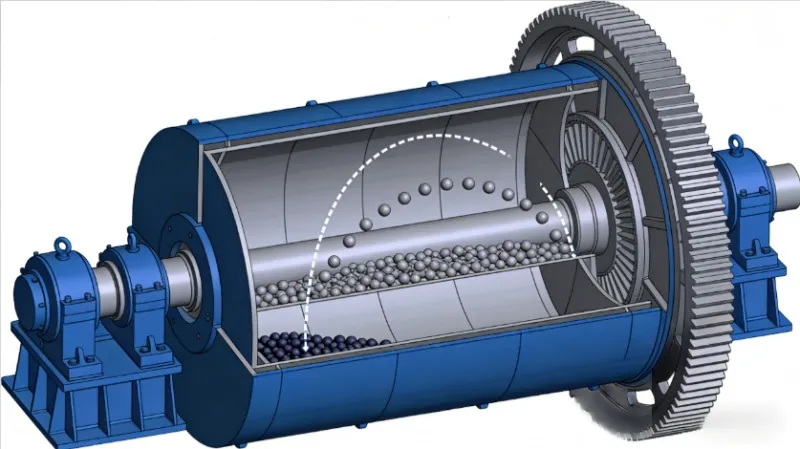
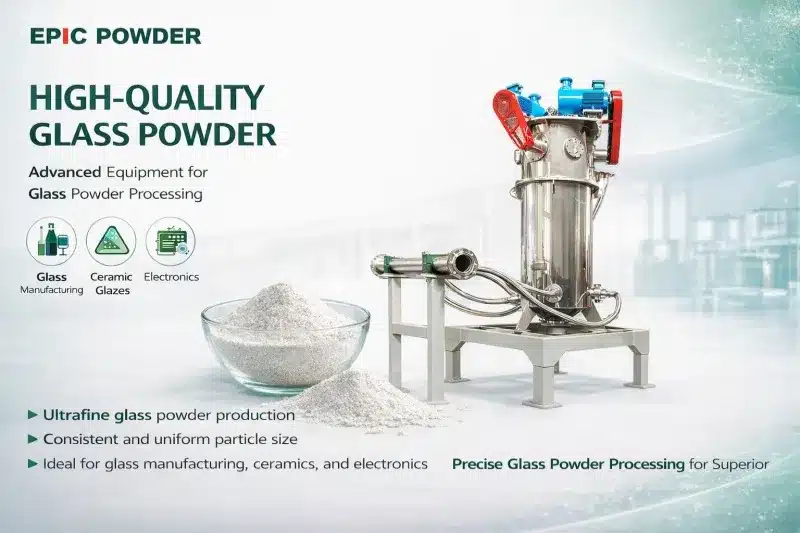
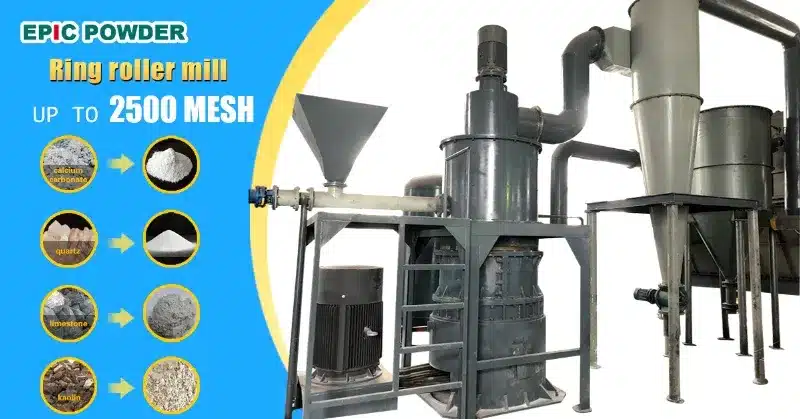
Para garantizar una hidratación rápida y una dispersión uniforme en los líquidos de pintura, la arcilla debe pulverizarse hasta alcanzar un tamaño de partícula de entre 325 y 1250 mallas (o incluso a niveles submicrométricos).
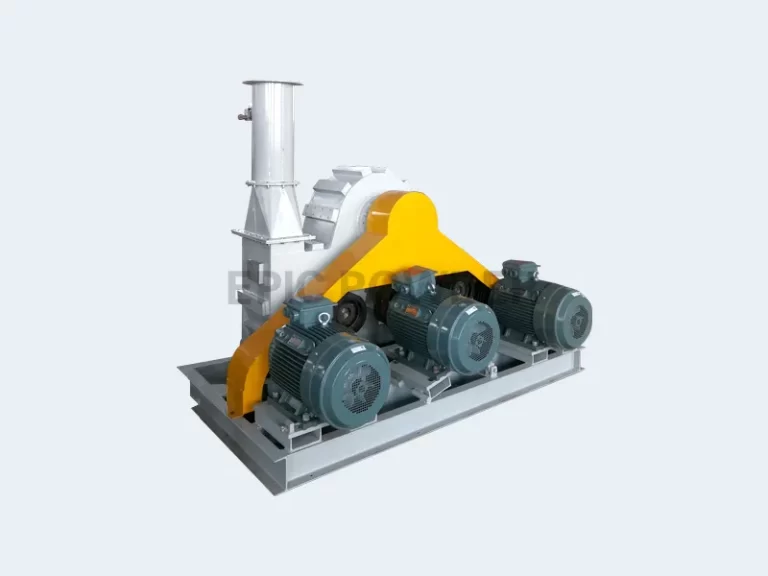
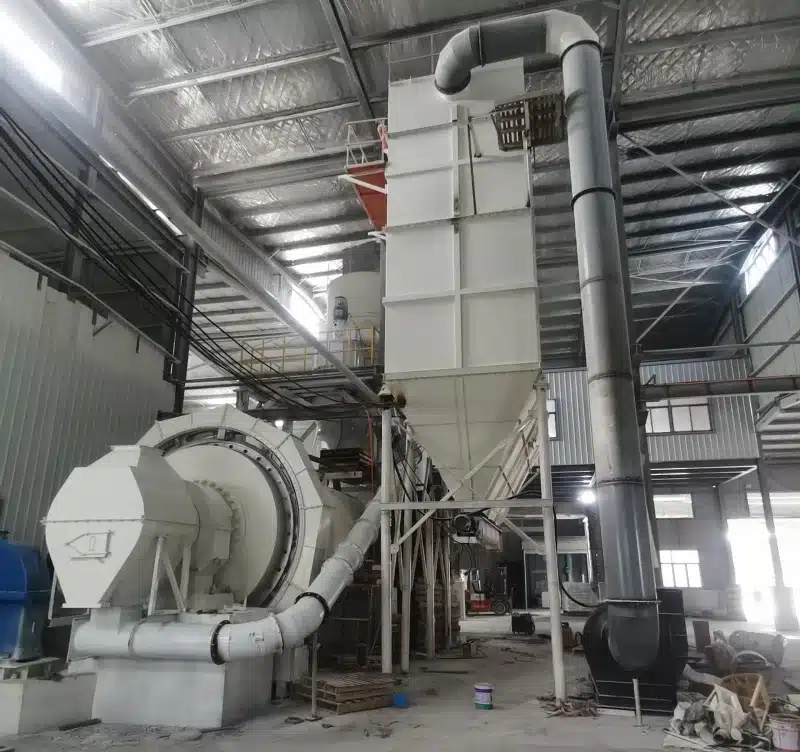
- En las instalaciones industriales modernas, los materiales ultrafinos molinos de rodillos anulares Se utilizan para el procesamiento profundo mediante métodos secos.
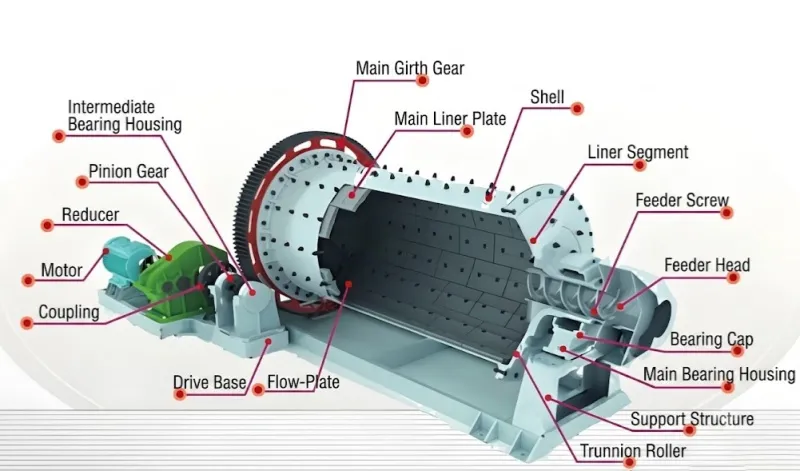
- Estas máquinas, mediante potentes fuerzas de extrusión y molienda, pulverizan eficazmente el mineral de bentonita hasta el nivel micrométrico sin dañar la estructura cristalina natural de la montmorillonita. Esto aumenta significativamente la superficie específica del polvo, lo que se traduce en un incremento exponencial de su velocidad de disolución y eficiencia de gelificación.
Clasificación precisa del aire: salvaguardando la suavidad de la película.
Los recubrimientos de alta calidad no toleran partículas de tamaño excesivo. Si se cuelan granos gruesos en el lote final, la película resultante presentará defectos visuales inmediatos.
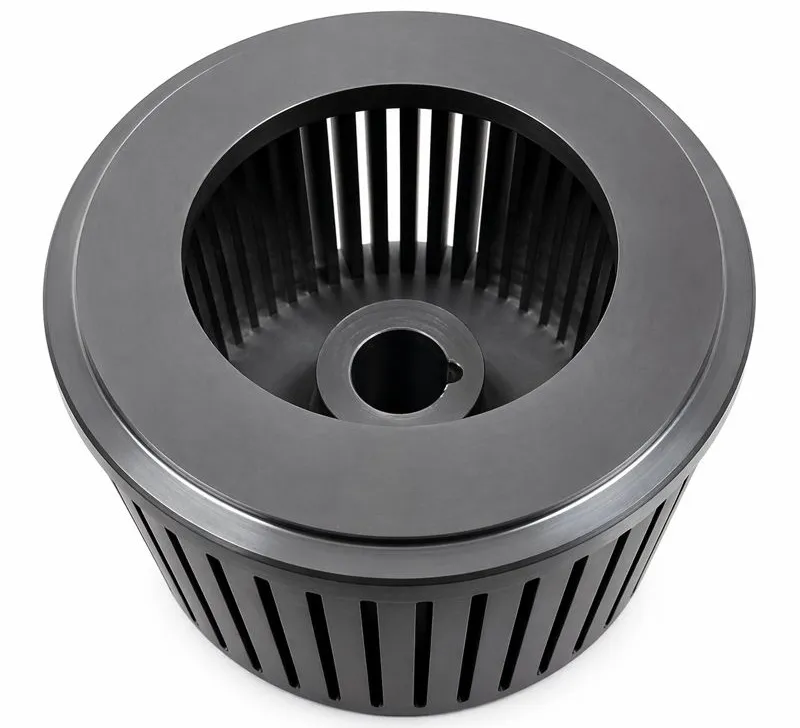
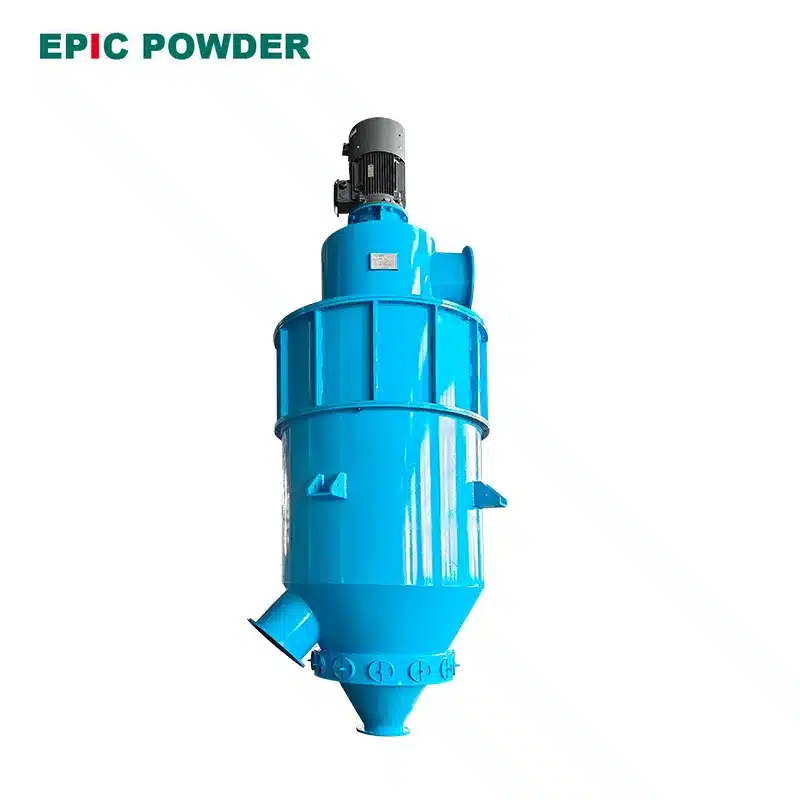
- Las líneas de procesamiento modernas integran clasificadores de aire de alta eficiencia directamente con el circuito de molienda. Mediante ruedas clasificadoras giratorias de alta velocidad y un control preciso del flujo, las partículas gruesas no trituradas se interceptan con exactitud y se recirculan para su molienda. Esto garantiza que la bentonita entregada a los fabricantes de pintura tenga una distribución de tamaño de partícula extremadamente estrecha, lo que asegura una película de pintura lisa y con un acabado similar al de un espejo.
Integración de la delaminación de alto cizallamiento y la modificación orgánica
En la fabricación de organoarcillas para pinturas industriales a base de aceite, las configuraciones de maquinaria especializada se vuelven aún más cruciales.
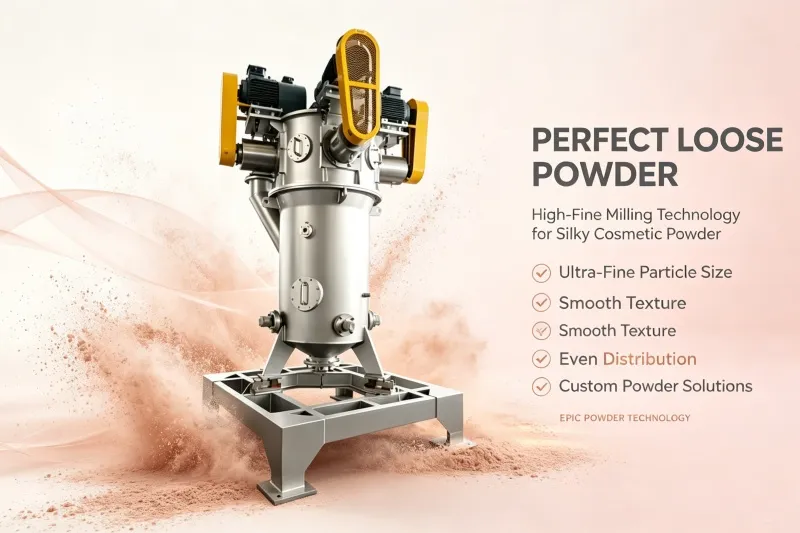
- El proceso de modificación requiere que los activadores químicos se intercalen profundamente entre las capas de silicato. Mediante equipos avanzados de molienda de alto cizallamiento, los operarios aplican fuerzas de cizallamiento mecánicas extremas para separar con fuerza las plaquetas de arcilla apiladas. Esto permite que los agentes modificadores (como las sales de amonio cuaternario) penetren completamente en las redes cristalinas, transformando una arcilla hidrófila en una arcilla oleófila de alto poder antisedimentación.
Conclusión
Desde paredes interiores residenciales hasta enormes puentes industriales de acero, el polvo de bentonita es un componente indispensable en la formulación de pinturas modernas. Esto se debe a sus inigualables propiedades de suspensión, su tixotropía única y su alta rentabilidad.
Aunque los consumidores finales quizás nunca lo vean en la etiqueta de la lata de pintura, desempeña un papel crucial. Actúa como un protector discreto y confiable que garantiza la calidad del recubrimiento. Detrás de este protector se encuentra un equipo de fresado avanzado. Estos sistemas constituyen la base tecnológica fundamental.
La tecnología de procesamiento de polvo de alta precisión hace posible esta transformación. Permite convertir la arcilla común en un aditivo de recubrimiento de alta tecnología. De esta forma, la tierra en bruto se transforma en un material funcional clave. Esto ayuda a garantizar la calidad y la estabilidad de cada lote de producción.

“Gracias por leer. Espero que mi artículo les sea útil. Dejen sus comentarios abajo. También pueden contactar al servicio de atención al cliente de Zelda para cualquier otra consulta.”
— Publicado por Emily Chen