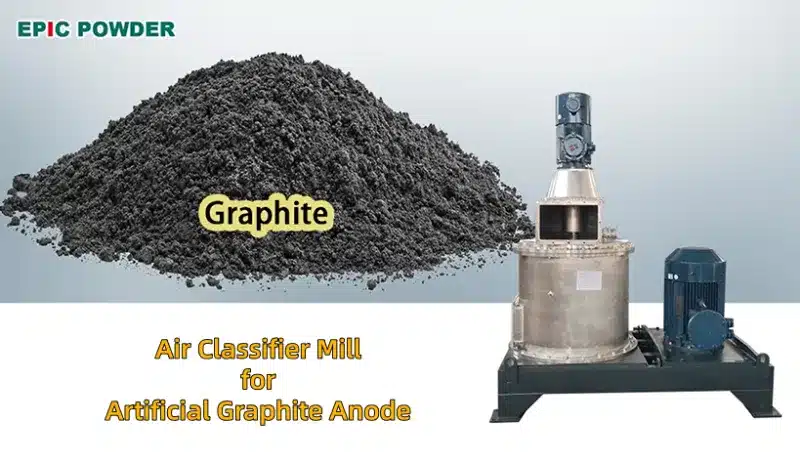
La producción de material de ánodo de grafito artificial para baterías de iones de litio Implica múltiples procesos críticos. Estas etapas están estrechamente interconectadas y se influyen mutuamente, determinando en conjunto el rendimiento y la calidad del producto final.
I. Materias primas básicas
1. Fuentes primarias de carbono
| Tipo de materia prima | Requisitos de admisión y calidad |
| Cocaína de aguja | Densidad real ≥ 2,12 g/cm3; materia volátil < 12%; azufre ≤ 0,3%; cenizas ≤ 0,05%; altamente grafitizable. |
| Coque de petróleo con bajo contenido de azufre | Azufre ≤ 1,5%; materia volátil < 15%; ofrece un bajo coste de producción. |
| Microesferas de mesocarbono (MCMB) | Contenido de mesofase ≥ 90%; partículas primarias esféricas; alta densidad aparente. |
2. Aglutinante (Paso)
El alquitrán se utiliza para la granulación, la aglomeración y la modificación del recubrimiento superficial. La proporción de coque a alquitrán se establece en 100:(5–20). Para productos de carga rápida de alta gama, la tasa de adición de alquitrán varía de 3% a 5%.
II. Diagrama de flujo del proceso de producción de grafito artificial
El proceso general de fabricación del material de ánodo de grafito artificial consta de siete etapas principales:
Pretratamiento de la materia prima → Molienda ultrafina & Moldeado esférico → Amasado, recubrimiento y precarbonización →
Grafitización a alta temperatura (etapa del núcleo) → Purificación y cribado posteriores al tratamiento → Producto terminado
Modificación y desmagnetización → Clasificación y embalaje.
Etapa 1: Pretratamiento de la materia prima
- El coque de agujas o coque de petróleo a granel se tritura hasta obtener un tamaño de 5 a 10 mm.
- Precalcinación: El proceso se lleva a cabo a 1200–1500 °C en atmósfera inerte. Este proceso elimina la materia volátil, el azufre y las cenizas, lo que mejora la actividad de grafitización. Tras la calcinación, la pureza del carbono alcanza > 95% y la densidad real es ≥ 2,15 g/cm³.
- Se aplica un proceso de cribado en varias etapas y la eliminación electromagnética del hierro para eliminar las impurezas ferromagnéticas, previniendo así los riesgos de cortocircuito en las celdas de las baterías.
Etapa 2: Molienda ultrafina y conformado esférico
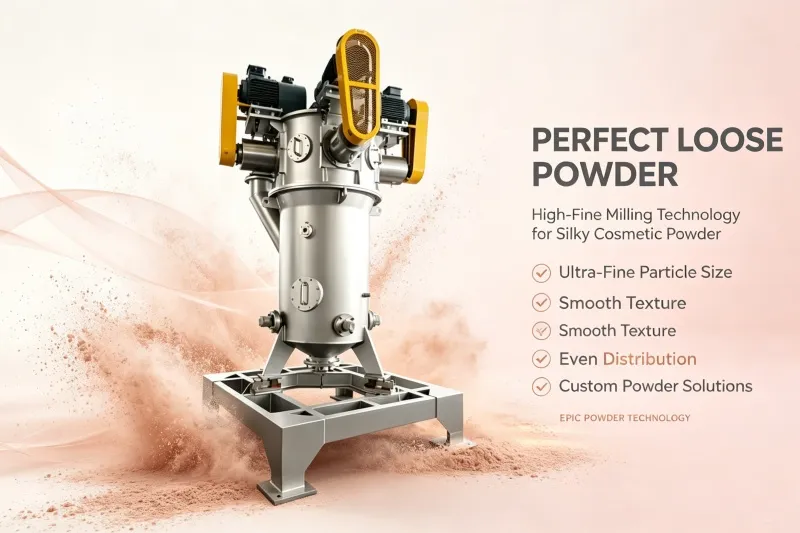
- El polvo de coque calcinado es fresado por chorro en polvo fino primario de tamaño micrométrico.
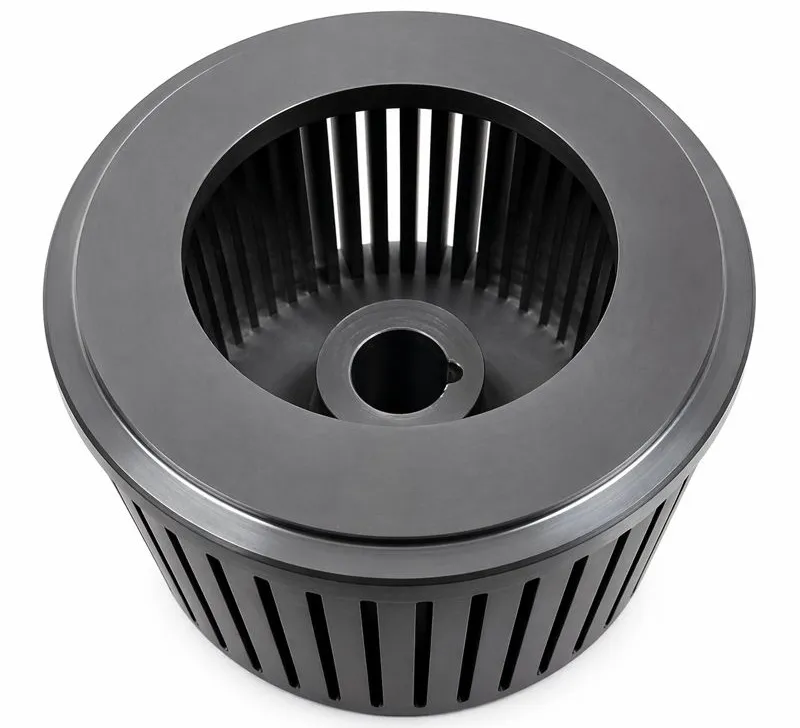
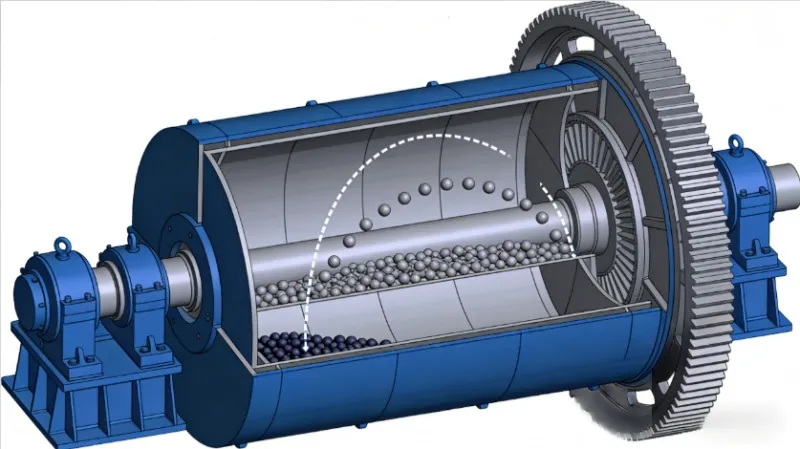
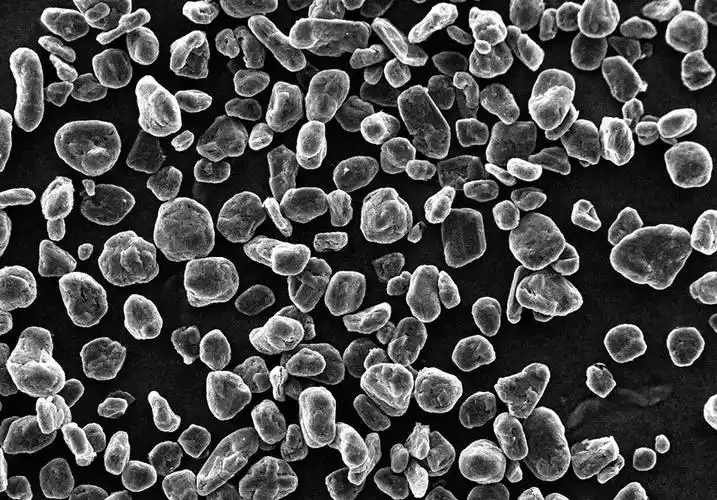
- Conformación esférica de partículas (proceso industrial estándar): La abrasión mecánica de alta velocidad transforma las partículas angulares en formas casi esféricas, trabajando conjuntamente con la clasificación ciclónica para controlar la distribución del tamaño de las partículas.
- Ventajas: Mejora la densidad aparente y la densidad de compactación de los electrodos, al tiempo que optimiza la humectabilidad del electrolito y el rendimiento a diferentes velocidades de carga/descarga.
- Se clasifican y seleccionan los rangos de tamaño de partícula objetivo (producto terminado principal D50: 16–24 μm).
Etapa 3: Amasado de la brea, recubrimiento y precarbonización a baja temperatura.
- El polvo fino esférico se amasa con brea fundida a altas temperaturas (150–250 °C), lo que permite que la brea recubra uniformemente las superficies de las partículas y rellene los huecos entre ellas.
- Precarbonización: El proceso se lleva a cabo a 800–1200 °C en atmósfera inerte. El alquitrán sufre descomposición térmica y carbonización para formar una red continua de carbono conductora, que agrega el polvo fino primario en partículas granuladas secundarias de alta resistencia.
- La trituración y el cribado producen partículas precursoras de recubrimiento, lo que mejora significativamente la densidad de compactación y la vida útil del ciclo después de la grafitización.
Etapa 4: Grafitización a alta temperatura (Núcleo y etapa de alto consumo energético)
- Esencia de la grafitización: A temperaturas ultraaltas de 2200–3000 °C, el carbono amorfo desordenado se transforma en cristales de grafito ordenados. Esta transformación determina la conductividad eléctrica, la capacidad de inserción de litio y el grado de grafitización. Todo el proceso se realiza de forma aislada del aire mediante nitrógeno o argón. Unas curvas de control de temperatura precisas garantizan que el grado de grafitización se mantenga controlable, conservando la distancia interlaminar d002 estable en aproximadamente 0,335 nm.
- Rutas de equipos principales:
- Horno intermitente Acheson: El pilar tradicional de la industria. Cuenta con una capacidad de horno único de 10 a 100 toneladas, un ciclo de 20 a 30 días y un consumo de energía de 4000 a 4800 kWh/t, lo que garantiza una uniformidad de producto altamente estable.
- Horno de grafitización de serie interna: Un horno intermitente mejorado. Al eliminar el material resistivo, el consumo de energía se reduce entre 10% y 15%, y el tiempo de respuesta se acelera.
- Horno de grafitización continua: Línea de montaje multizona con control de temperatura, operativa las 24 horas del día, los 7 días de la semana. Incorpora recuperación de calor residual y reduce el ciclo de producción a menos de 7 días. La consistencia entre lotes mejora notablemente, lo que la hace ideal para la producción a gran escala de baterías.
Etapa 5: Trituración y cribado
- Los bloques de grafito que salen del horno se trituran y dispersan para eliminar la aglomeración.
- Purificación a alta temperatura: El lavado con ácido o la volatilización a alta temperatura eliminan los restos de azufre y las cenizas metálicas, lo que aumenta la pureza del carbono fijo.
- El cribado por chorro multietapa controla con precisión las distribuciones de tamaño de partícula D10, D50 y D90, eliminando las partículas de tamaño excesivo e insuficiente.
Etapa 6: Modificación profunda Desmagnetización multietapa
- Modificación del recubrimiento de la superficie secundaria: Se aplica un recubrimiento secundario de brea a baja temperatura o un recubrimiento de carbono CVD. Esto reduce la superficie específica (SSA), aumenta la eficiencia coulómbica inicial (ICE) y suprime las reacciones secundarias de la capa SEI.
- Eliminación electromagnética de hierro en varias etapas: La combinación de desmagnetización gruesa y desmagnetización de polvo fino de alta precisión limita estrictamente las impurezas magnéticas a ≤ 0,1 ppm, eliminando así los microcortocircuitos de la batería y los riesgos de sobrecalentamiento.
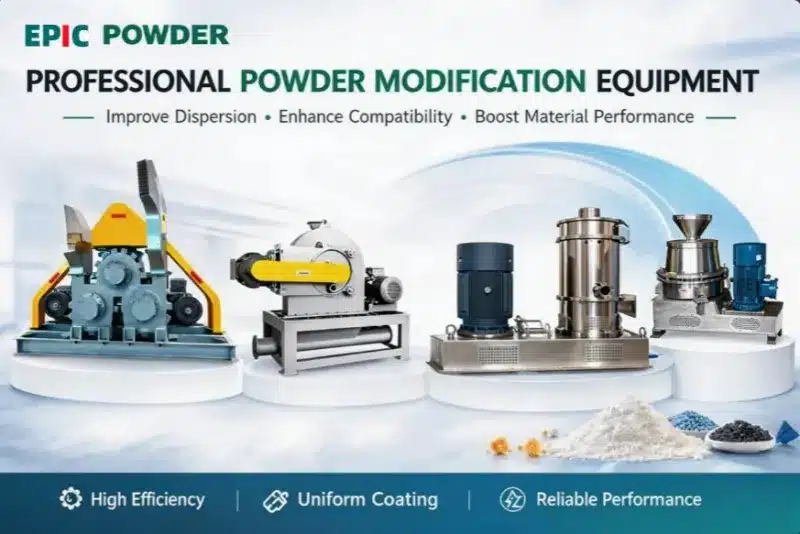
Etapa 7: Clasificación del tamaño de partícula, homogeneización y envasado final.
- Los productos se clasifican (Grado I / II / III) en función del tamaño de partícula y el rendimiento electroquímico.
- La homogeneización en silos de gran capacidad se lleva a cabo para eliminar las variaciones de rendimiento entre diferentes lotes.
- Se utiliza un envasado al vacío a prueba de humedad, manteniendo el contenido de humedad del producto terminado estrictamente controlado en 0,1%.
III. Indicadores de clasificación de calidad para grafito artificial acabado
Los parámetros de calidad para el material de ánodo de grafito artificial se clasifican en cuatro áreas principales: estructura cristalina, propiedades físicas del polvo, pureza química e impurezas, y rendimiento electroquímico del núcleo. Los parámetros que se describen a continuación se centran en el grafito artificial de coque de aguja (NAG), comúnmente utilizado en baterías de potencia.
1. Indicadores de estructura cristalina (Criterios de grafitización del núcleo)
- d002 Espaciado entre capas: Medido mediante difracción de rayos X (DRX). El grafito ideal mide 0,3354 nm, mientras que los productos de alta gama fabricados en masa alcanzan entre 0,335 y 0,336 nm. Un espaciado interlaminar excesivamente grande reduce la capacidad, mientras que un espaciado demasiado pequeño perjudica la dinámica de intercalación del litio.
- Grado de grafitización (G):
- Grafito de alta potencia de grado I: Grado de grafitización G ≥ 94%
- Grafito de grado II para almacenamiento general de energía: G ≥ 93%
- Grafito económico de grado III: G ≥ 90%
2. Indicadores físicos de polvo
| Indicador | Baterías de alta gama de grado I (baterías de potencia) | Grado II General (Almacenamiento de Energía) | Grado III Gama baja (Electrónica de consumo) |
| Tamaño medio de partícula D50 | 18 ~ 22 μm | 16 ~ 24 μm | 14 ~ 26 μm |
| Densidad de compactación | ≥ 1,25 g/cm³ | ≥ 1,20 g/cm³ | ≥ 1,10 g/cm³ |
| Densidad de compactación (electrodo) | 1,62 ~ 1,68 g/cm³ | 1,50 ~ 1,60 g/cm³ | ≥ 1,40 g/cm³ |
| Superficie específica (SSA) | 1,0 ~ 3,0 m2/g | 2,0 ~ 5,0 m2/g | ≤ 8,0 m2/g |
| Densidad real | ≥ 2,20 g/cm³ | ≥ 2,18 g/cm³ | ≥ 2,15 g/cm³ |
Conclusión y perspectivas
En resumen, la fabricación de ánodos de grafito artificial es un proceso de ingeniería complejo y altamente técnico que consta de múltiples etapas. Cada fase, desde la selección de la materia prima hasta el tratamiento térmico y la clasificación precisa, desempeña un papel crucial en la determinación de la capacidad, la seguridad y la vida útil de la batería. A medida que la demanda de vehículos eléctricos y sistemas de almacenamiento de energía a gran escala continúa en aumento, las innovaciones constantes en tecnologías de grafitización continua y la modificación avanzada de superficies seguirán siendo esenciales para reducir el consumo de energía y mejorar el rendimiento general de la batería.

“Gracias por leer. Espero que mi artículo les sea útil. Dejen sus comentarios abajo. También pueden contactar al servicio de atención al cliente de Zelda para cualquier otra consulta.”
— Publicado por Emily Chen