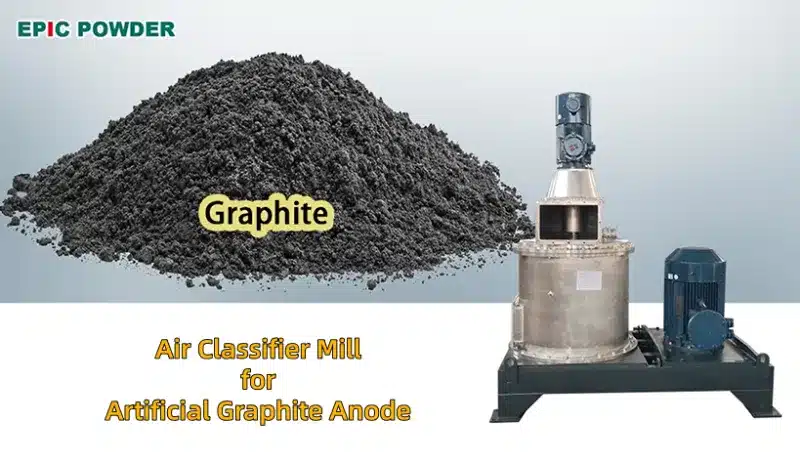
إنتاج مادة الأنود الجرافيتية الاصطناعية لـ بطاريات الليثيوم أيون يتضمن ذلك عمليات حاسمة متعددة. هذه المراحل مترابطة بشكل وثيق وتؤثر على بعضها البعض، وتحدد مجتمعة أداء وجودة المنتج النهائي.
أولاً: المواد الخام الأساسية
1. مصادر الكربون الأولية
| نوع المادة الخام | معايير القبول والجودة |
| كوكاكولا بالإبرة | الكثافة الحقيقية ≥ 2.12 جم/سم3؛ المواد المتطايرة < 12%؛ الكبريت ≤ 0.3%؛ الرماد ≤ 0.05%؛; قابل للتحول إلى جرافيت بدرجة عالية. |
| فحم الكوك البترولي منخفض الكبريت | الكبريت ≤ 1.5%؛ المواد المتطايرة < 15%؛ يوفر تكلفة إنتاج منخفضة. |
| حبيبات الكربون المتوسطة (MCMB) | محتوى الطور المتوسط ≥ 90%؛ جزيئات أولية كروية؛ كثافة عالية عند الضغط. |
2. المجلد (الرصاص)
يُستخدم القار في عملية التكتل الحبيبي وتعديل الطلاء السطحي. وتُحدد نسبة فحم الكوك إلى القار عند 100:(5-20). أما بالنسبة للمنتجات عالية الجودة سريعة الشحن، فتتراوح نسبة إضافة القار من 3% إلى 5%.
ثانياً: مخطط عملية إنتاج الجرافيت الاصطناعي
تتكون عملية التصنيع الشاملة لمادة الأنود الجرافيتي الاصطناعي من سبع مراحل أساسية:
المعالجة المسبقة للمواد الخام → الطحن فائق النعومة والتشكيل الكروي → العجن والطلاء والتفحيم المسبق →
التغرافيت بدرجة حرارة عالية (المرحلة الأساسية) ← التنقية والفحص بعد المعالجة ← المنتج النهائي
التعديل والإزالة ← التصنيف والتعبئة والتغليف.
المرحلة الأولى: المعالجة المسبقة للمواد الخام
- يتم سحق فحم الكوك الإبري السائب أو فحم الكوك البترولي إلى حجم يتراوح بين 5 و 10 ملم.
- التكليس المسبق: تُجرى هذه العملية عند درجة حرارة تتراوح بين 1200 و1500 درجة مئوية في جو خامل. وتزيل هذه العملية المواد المتطايرة والكبريت والرماد، مما يعزز عملية التبلور. بعد التكليس، تصل نقاوة الكربون إلى أكثر من 95%، وتصبح الكثافة الحقيقية ≥ 2.15 جم/سم³.
- يتم تطبيق الفحص متعدد المراحل وإزالة الحديد الكهرومغناطيسي للقضاء على الشوائب المغناطيسية الحديدية، مما يمنع مخاطر حدوث ماس كهربائي في خلايا البطارية.
المرحلة الثانية: الطحن فائق الدقة والتشكيل الكروي
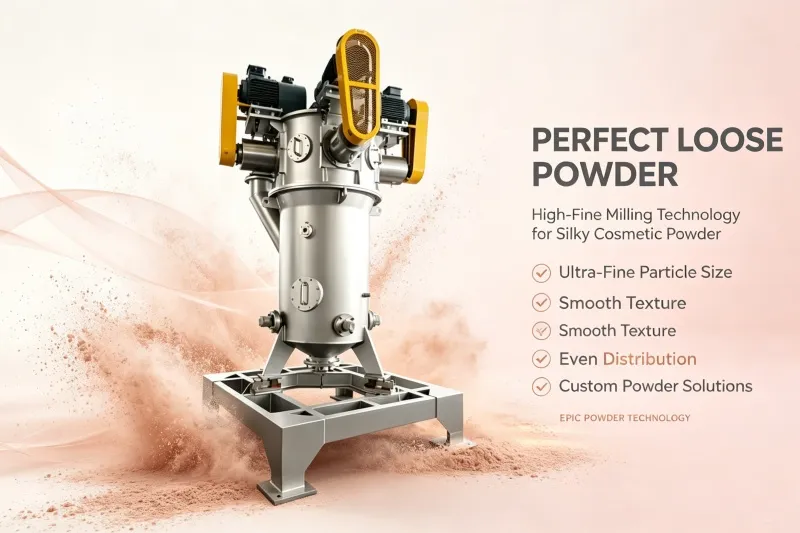
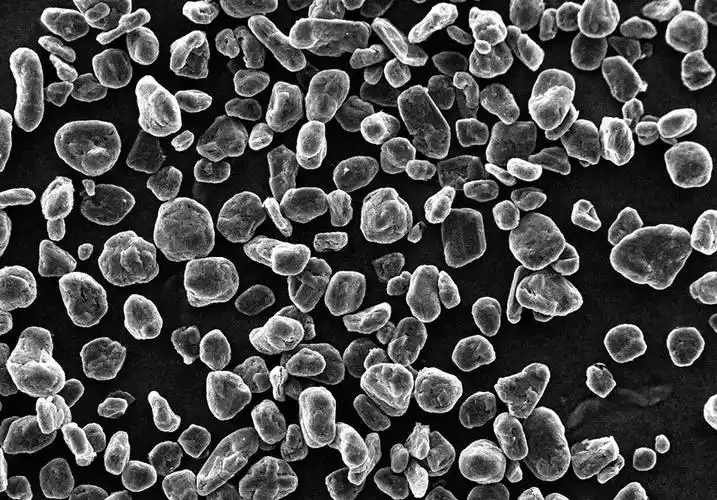
- مسحوق فحم الكوك المكلس هو مطحونة بالنفث إلى مسحوق ناعم أولي بحجم الميكرون.
- تشكيل الجسيمات الكروية (عملية صناعية قياسية): يعمل الاحتكاك الميكانيكي عالي السرعة على تحويل الجسيمات الزاوية إلى أشكال شبه كروية، ويعمل جنبًا إلى جنب مع تصنيف الإعصار للتحكم في توزيع حجم الجسيمات.
- المزايا: يعزز كثافة الضغط وكثافة ضغط الأقطاب الكهربائية، مع تحسين قابلية ترطيب الإلكتروليت وأداء المعدل.
- يتم تصنيف نطاقات حجم الجسيمات المستهدفة واختيارها (المنتج النهائي الرئيسي D50: 16-24 ميكرومتر).
المرحلة الثالثة: عجن القار، والطلاء، والتفحيم المسبق بدرجة حرارة منخفضة
- يتم عجن المسحوق الكروي الناعم مع القار المنصهر في درجات حرارة عالية (150-250 درجة مئوية)، مما يسمح للقار بتغطية أسطح الجسيمات بشكل موحد وملء الفجوات بين الجسيمات.
- التفحيم المسبق: تُجرى العملية عند درجة حرارة تتراوح بين 800 و1200 درجة مئوية في جو خامل. يخضع القار للتحلل الحراري والتفحيم لتشكيل شبكة كربونية موصلة متصلة، مما يؤدي إلى تجميع المسحوق الناعم الأولي في جزيئات حبيبية ثانوية عالية القوة.
- يؤدي التكسير والغربلة إلى إنتاج جزيئات الطلاء الأولية، مما يحسن بشكل كبير من كثافة الضغط وعمر الدورة بعد التغرافيت.
المرحلة الرابعة: التغرافيت بدرجة حرارة عالية (المرحلة الأساسية والمستهلكة للطاقة العالية)
- جوهر عملية التغرافيت: عند درجات حرارة فائقة الارتفاع تتراوح بين 2200 و3000 درجة مئوية، يتحول الكربون غير المتبلور إلى بلورات جرافيت منتظمة. ويحدد هذا التحول الموصلية الكهربائية، وقدرة إدخال الليثيوم، ودرجة التبلور. وتُعزل هذه العملية برمتها عن الهواء باستخدام غاز النيتروجين أو الأرجون. وتضمن منحنيات التحكم الدقيقة في درجة الحرارة بقاء درجة التبلور قابلة للتحكم، مع الحفاظ على تباعد الطبقات d002 ثابتًا عند حوالي 0.335 نانومتر.
- مسارات المعدات الرئيسية:
- فرن أتشيسون المتقطع: الركيزة التقليدية لهذه الصناعة. تتميز بسعة فرن واحد تتراوح من 10 إلى 100 طن، ودورة من 20 إلى 30 يومًا، واستهلاك طاقة يتراوح من 4000 إلى 4800 كيلوواط ساعة/طن، مما يوفر تجانسًا عاليًا ومستقرًا للمنتج.
- فرن تحويل الجرافيت إلى سلسلة داخلية: فرن متقطع مطور. من خلال التخلص من مادة المقاومة، يتم تقليل استهلاك الطاقة بمقدار 10%–15%، ويتم تسريع وقت التسليم.
- فرن التغرافيت المستمر: خط تجميع متعدد المناطق مُتحكم بدرجة حرارته، يعمل على مدار الساعة طوال أيام الأسبوع. يتضمن استعادة الحرارة المهدرة، ويُقلل دورة الإنتاج إلى أقل من 7 أيام. كما يُحسّن بشكل كبير من اتساق الدفعات، مما يجعله مثاليًا لإنتاج بطاريات الطاقة على نطاق واسع.
المرحلة الخامسة: التكسير والغربلة
- يتم سحق كتل الجرافيت الخارجة من الفرن وتفريقها للتخلص من التكتل.
- التنقية بدرجة حرارة عالية: يؤدي الغسل الحمضي أو التبخير بدرجة حرارة عالية إلى إزالة آثار الكبريت والرماد المعدني، مما يرفع من نقاء الكربون الثابت.
- تتحكم عملية الفرز النفاث متعددة المراحل بدقة في توزيعات أحجام الجسيمات D10 و D50 و D90، مما يؤدي إلى إزالة الجسيمات كبيرة الحجم والجسيمات صغيرة الحجم.
المرحلة السادسة: التعديل العميق وإزالة المغنطة متعددة المراحل
- تعديل طبقة الطلاء السطحية الثانوية: يتم تطبيق طبقة ثانوية من القار عند درجة حرارة منخفضة أو طبقة كربونية بتقنية الترسيب الكيميائي للبخار. هذا يقلل من مساحة السطح النوعية، ويزيد من كفاءة كولوم الأولية، ويمنع التفاعلات الجانبية لطبقة التفاعل بين الإلكترود والإلكتروليت.
- إزالة الحديد الكهرومغناطيسية متعددة المراحل: إن الجمع بين إزالة المغناطيسية الخشنة وإزالة المغناطيسية الدقيقة باستخدام المسحوق يحد بشكل صارم من الشوائب المغناطيسية إلى ≤ 0.1 جزء في المليون، مما يقضي على مخاطر حدوث دوائر قصر دقيقة في البطارية ومخاطر الهروب الحراري.
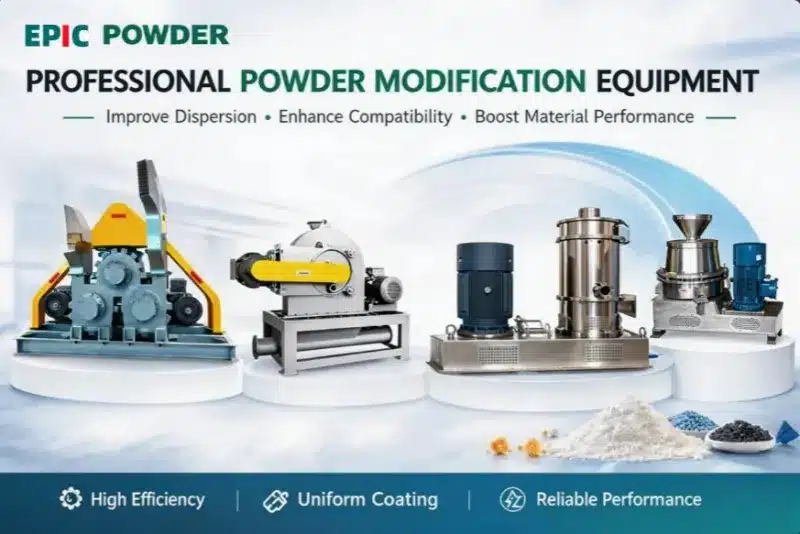
المرحلة 7: فرز حجم الجسيمات، والتجانس، والتعبئة النهائية
- يتم تصنيف المنتجات (الدرجة الأولى / الثانية / الثالثة) بناءً على حجم الجسيمات والأداء الكهروكيميائي.
- يتم إجراء عملية تجانس الصوامع ذات السعة الكبيرة للقضاء على اختلافات الأداء بين الدفعات المختلفة.
- يتم استخدام عبوات مقاومة للرطوبة تعمل بتقنية التفريغ الهوائي، مما يحافظ على محتوى الرطوبة في المنتج النهائي تحت سيطرة صارمة عند 0.1%.
ثالثًا: مؤشرات تصنيف الجودة للجرافيت الصناعي النهائي
تُصنَّف معايير جودة مادة الأنود المصنوعة من الجرافيت الاصطناعي إلى أربعة مجالات رئيسية: البنية البلورية، والخواص الفيزيائية للمسحوق، والنقاء الكيميائي والشوائب، والأداء الكهروكيميائي الأساسي. وتركز المعايير المذكورة أدناه على الجرافيت الاصطناعي المصنوع من فحم الكوك الإبري (NAG) المستخدم بكثرة في بطاريات الطاقة.
1. مؤشرات البنية البلورية (معايير التغرافيت الأساسية)
- المسافة بين الطبقات d002: تم قياسها باستخدام حيود الأشعة السينية. يبلغ حجم الجرافيت المثالي 0.3354 نانومتر، بينما يصل حجم المنتجات عالية الجودة المنتجة بكميات كبيرة إلى 0.335-0.336 نانومتر. يؤدي التباعد الكبير جدًا بين الطبقات إلى تقليل السعة، بينما يؤدي التباعد الصغير جدًا إلى إعاقة ديناميكيات إقحام الليثيوم.
- درجة التبلور (G):
- جرافيت عالي الجودة من الدرجة الأولى: درجة التبلور G ≥ 94%
- جرافيت تخزين الطاقة العامة من الدرجة الثانية: G ≥ 93%
- جرافيت اقتصادي من الدرجة الثالثة: G ≥ 90%
2. المؤشرات الفيزيائية للمسحوق
| مؤشر | بطاريات عالية الجودة من الدرجة الأولى (بطاريات الطاقة) | الدرجة الثانية العامة (تخزين الطاقة) | الدرجة الثالثة منخفضة الجودة (أجهزة إلكترونية استهلاكية) |
| متوسط حجم الجسيمات D50 | 18 ~ 22 ميكرومتر | 16 ~ 24 ميكرومتر | 14 ~ 26 ميكرومتر |
| كثافة النقر | ≥ 1.25 جم/سم3 | ≥ 1.20 جم/سم3 | ≥ 1.10 جم/سم3 |
| كثافة الضغط (القطب الكهربائي) | 1.62 ~ 1.68 جم/سم3 | 1.50 ~ 1.60 جم/سم3 | ≥ 1.40 جم/سم3 |
| المساحة السطحية النوعية (SSA) | 1.0 ~ 3.0 م2/غ | 2.0 ~ 5.0 م2/غ | ≤ 8.0 م2/غ |
| الكثافة الحقيقية | ≥ 2.20 جم/سم3 | ≥ 2.18 جم/سم3 | ≥ 2.15 جم/سم3 |
الخلاصة والتوقعات
باختصار، يُعدّ تصنيع مادة الأنود الجرافيتية الاصطناعية عملية هندسية معقدة ومتعددة المراحل ذات طابع تقني عالٍ. وتلعب كل مرحلة، بدءًا من اختيار المواد الخام وصولًا إلى المعالجة الحرارية والتصنيف الدقيق، دورًا حاسمًا في تحديد سعة البطارية النهائية وسلامتها وعمرها الافتراضي. ومع استمرار تزايد الطلب على المركبات الكهربائية وأنظمة تخزين الطاقة واسعة النطاق، ستظل الابتكارات المستمرة في تقنيات الجرافيت المتواصلة وتعديل الأسطح المتقدمة ضرورية لخفض استهلاك الطاقة وتحسين أداء البطارية بشكل عام.

“شكراً لقراءتكم. أتمنى أن يكون مقالي مفيداً. يُرجى ترك تعليق أدناه. كما يمكنكم التواصل مع ممثل خدمة عملاء زيلدا عبر الإنترنت لأي استفسارات أخرى.”
— نشر بواسطة إميلي تشين