Производство искусственного графитового анодного материала для литий-ионные аккумуляторы Этот процесс включает в себя множество критически важных этапов. Эти этапы тесно взаимосвязаны и взаимно влияют друг на друга, в совокупности определяя характеристики и качество конечного продукта.
I. Основные сырьевые материалы
1. Первичные источники углерода
| Тип сырья | Приемные и качественные стандарты |
| Игольчатый кокс | Истинная плотность ≥ 2,12 г/см³; летучие вещества < 121ТТ3Т; сера ≤ 0,31ТТ3Т; зола ≤ 0,051ТТ3Т; легко графитизируется. |
| Низкосернистый нефтяной кокс | Содержание серы ≤ 1,51Т3Т; содержание летучих веществ < 151Т3Т; обеспечивает низкую себестоимость производства. |
| Мезоуглеродные микрогранулы (MCMB) | Содержание мезофазы ≥ 90%; сферические первичные частицы; высокая насыпная плотность. |
2. Переплет (презентация)
Пек используется для грануляционной агломерации и модификации поверхностных покрытий. Соотношение кокса к пеку устанавливается на уровне 100:(5–20). Для высококачественных продуктов быстрого обогащения количество добавляемого пека варьируется от 31 тонны на 3 тонны до 51 тонны на 3 тонны.
II. Технологический процесс производства искусственного графита
Общий производственный процесс изготовления искусственного графитового анодного материала состоит из семи основных этапов:
Предварительная обработка сырья → Сверхтонкое измельчение Сферическое формование → Замешивание, покрытие и предварительная карбонизация →
Высокотемпературная графитизация (основной этап) → Последующая очистка и отбор → Готовый продукт
Модификация и размагничивание → Сортировка и упаковка.
Этап 1: Предварительная обработка сырья
- Игольчатый кокс или нефтяной кокс измельчают до размера частиц 5–10 мм.
- Предварительная кальцинация: Процесс проводится при температуре 1200–1500 °C в инертной атмосфере. В результате удаляются летучие вещества, сера и зола, что повышает активность графитизации. После прокаливания чистота углерода достигает > 951 TP3T, а истинная плотность становится ≥ 2,15 г/см3.
- Для устранения ферромагнитных примесей и предотвращения риска короткого замыкания в аккумуляторных элементах применяются многоступенчатая фильтрация и электромагнитное удаление железа.
Этап 2: Сверхтонкое шлифование и сферическая обработка
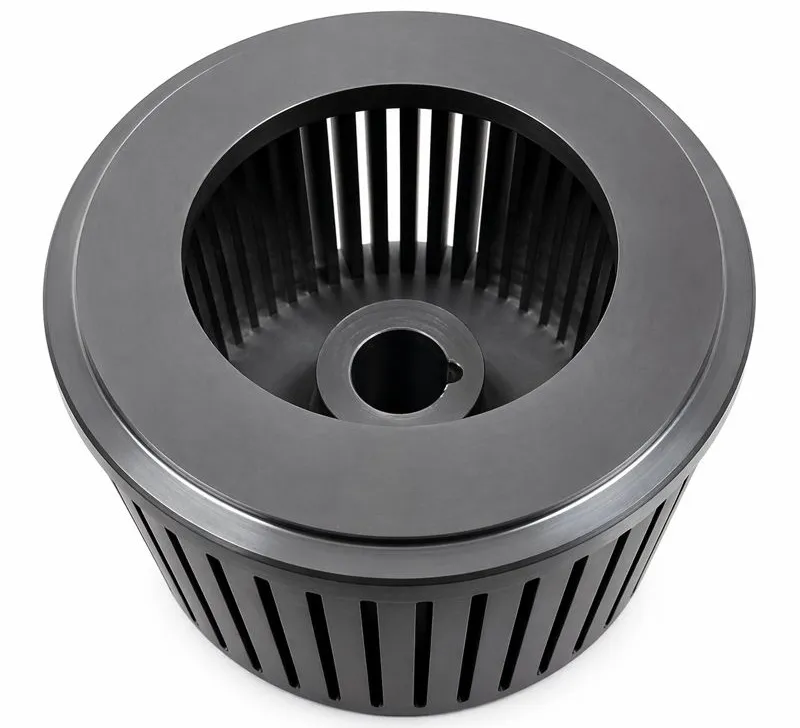
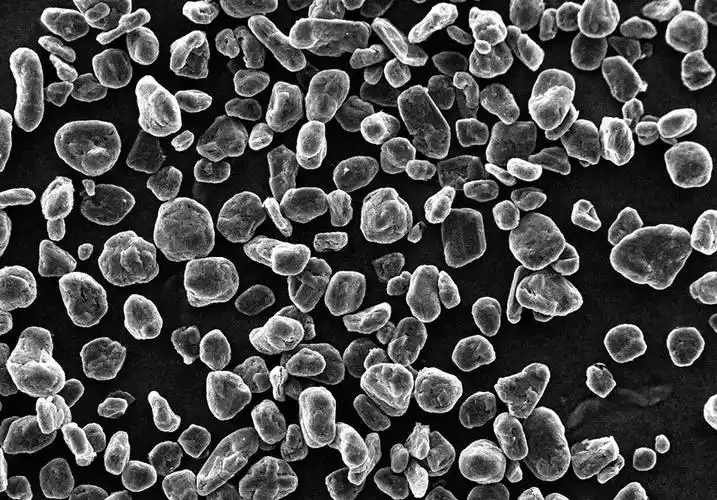
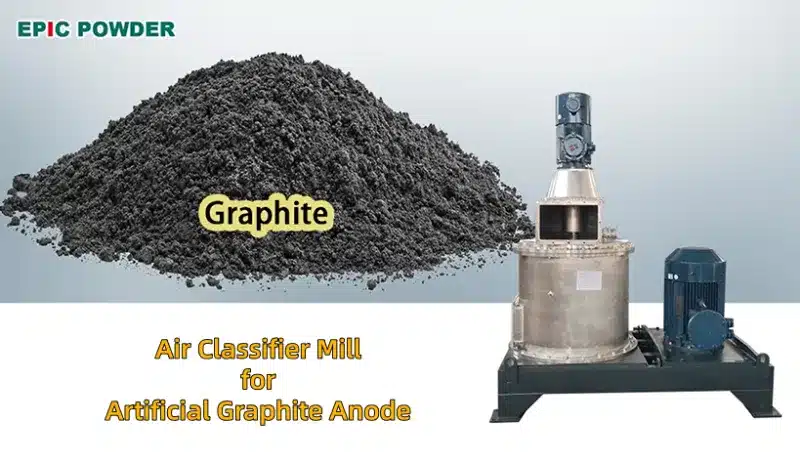
- Кальцинированный коксовый порошок струйная фрезеровка в мелкодисперсный порошок микронного размера.
- Формирование сферической формы частиц (стандартный промышленный процесс): Высокоскоростная механическая абразия преобразует угловатые частицы в почти сферические, работая совместно с циклонной классификацией для контроля распределения частиц по размерам.
- Преимущества: Повышает насыпную плотность и плотность уплотнения электрода, одновременно оптимизируя смачиваемость электролита и скоростные характеристики.
- Целевые диапазоны размеров частиц классифицируются и выбираются (основной готовый продукт D50: 16–24 мкм).
Этап 3: Замешивание смолы, нанесение покрытия и низкотемпературная предварительная карбонизация.
- Мелкодисперсный сферический порошок смешивают с расплавленной смолой при высоких температурах (150–250 °C), что позволяет смоле равномерно покрывать поверхности частиц и заполнять зазоры между ними.
- Предварительная карбонизация: Процесс проводится при температуре 800–1200 °C в инертной атмосфере. Пек подвергается термическому разложению и карбонизации с образованием непрерывной проводящей углеродной сетки, в результате чего первичный мелкодисперсный порошок превращается в высокопрочные вторичные гранулированные частицы.
- Измельчение и просеивание позволяют получить частицы-прекурсоры для покрытия, что значительно повышает плотность уплотнения и срок службы после графитизации.
Этап 4: Высокотемпературная графитизация (основной этап и этап с высоким энергопотреблением)
- Суть графитизации: При сверхвысоких температурах 2200–3000 °C неупорядоченный аморфный углерод превращается в упорядоченные кристаллы графита. Это превращение определяет электропроводность, емкость внедрения лития и степень графитизации. Весь процесс изолирован от воздуха с помощью азота или аргона. Точные кривые контроля температуры обеспечивают поддержание степени графитизации в контролируемом состоянии, сохраняя межслоевое расстояние d002 стабильным на уровне приблизительно 0,335 нм.
- Основные маршруты поставки оборудования:
- Печь периодического действия Acheson: Традиционная основа отрасли. Она отличается производительностью одной печи от 10 до 100 тонн, циклом 20–30 дней и потреблением электроэнергии 4000–4800 кВт·ч/т, обеспечивая высокую стабильность однородности продукции.
- Внутренняя последовательная печь для графитизации: Усовершенствованная печь периодического действия. Благодаря исключению резисторного материала, энергопотребление снижается на 101–151 ТТ3Т, а время выполнения заказа сокращается.
- Печь непрерывного графитирования: Многозонная сборочная линия с регулируемой температурой, работающая круглосуточно и без выходных. Она включает в себя рекуперацию отработанного тепла и сокращает производственный цикл до менее чем 7 дней. Значительно улучшена стабильность партий, что делает ее идеальной для крупномасштабного производства силовых батарей.
Этап 5: Дробление и сортировка
- Графитовые блоки, выгружаемые из печи, измельчаются и диспергируются для предотвращения агломерации.
- Высокотемпературная очистка: Кислотная промывка или высокотемпературная летучесть удаляют следы серы и металлическую золу, повышая чистоту связанного углерода.
- Многоступенчатая струйная фильтрация обеспечивает точный контроль распределения частиц по размерам D10, D50 и D90, исключая частицы слишком большого и слишком маленького размера.
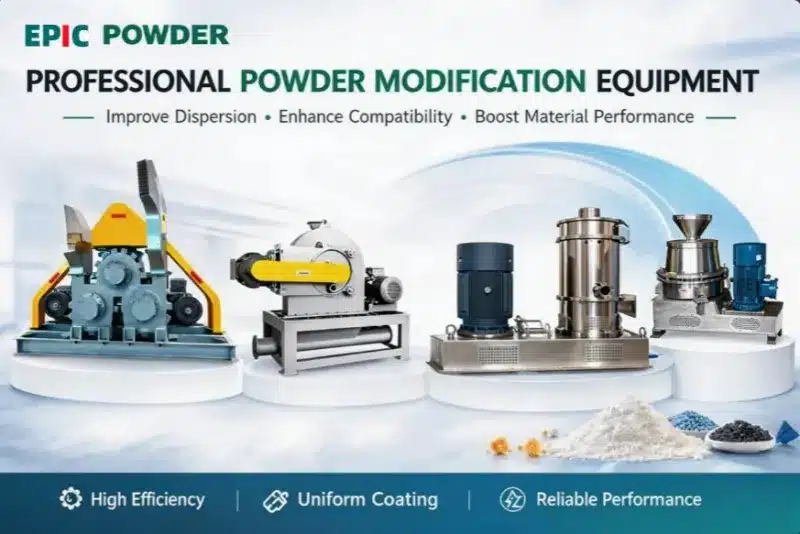
Этап 6: Глубокая модификация Многоступенчатая размагничивание
- Вторичная модификация поверхностного покрытия: Наносится низкотемпературное вторичное битумное покрытие или углеродное покрытие, полученное методом химического осаждения из газовой фазы (CVD). Это уменьшает удельную площадь поверхности (SSA), повышает начальную кулоновскую эффективность (ICE) и подавляет побочные реакции в слое SEI.
- Многоступенчатое электромагнитное удаление железа: Сочетание грубой размагничивания и высокоточной размагничивания мелкодисперсным порошком строго ограничивает содержание магнитных примесей до ≤ 0,1 ppm, что исключает микрокороткие замыкания батарей и риски теплового разгона.
Этап 7: сортировка по размеру частиц, гомогенизация и окончательная упаковка.
- Продукция классифицируется (класс I / II / III) на основе размера частиц и электрохимических характеристик.
- Гомогенизация в силосах большой вместимости проводится для устранения различий в производительности между разными партиями.
- Используется вакуумная влагонепроницаемая упаковка, обеспечивающая строгий контроль влажности готового продукта на уровне 0,11 TP3T.
III. Показатели качества готового искусственного графита
Параметры качества искусственного графитового анодного материала подразделяются на четыре основные категории: кристаллическая структура, физические свойства порошка, химическая чистота и наличие примесей, а также основные электрохимические характеристики. Приведенные ниже параметры относятся к наиболее распространенному игольчатому коксовому искусственному графиту (ИАГ), используемому в силовых батареях.
1. Индикаторы кристаллической структуры (основные критерии графитизации)
- d002 Межслоевое расстояние: Измерения проводились методом рентгеновской дифракции (XRD). Идеальный размер графита составляет 0,3354 нм, тогда как у высококачественных изделий массового производства он достигает 0,335–0,336 нм. Чрезмерно большое межслоевое расстояние снижает емкость, а слишком малое — ухудшает динамику интеркаляции лития.
- Степень графитизации (Г):
- Высококачественный силовой графит первого класса: Степень графитизации G ≥ 94%
- Графит общего назначения для хранения энергии, класс II: G ≥ 93%
- Графит эконом-класса III: G ≥ 90%
2. Физические индикаторы порошка
| Индикатор | Аккумуляторы высокого класса (1-го класса) | Общий класс II (накопители энергии) | Низкокачественная электроника III класса |
| D50 Средний размер частиц | 18 ~ 22 мкм | 16 ~ 24 мкм | 14 ~ 26 мкм |
| Плотность набивки | ≥ 1,25 г/см3 | ≥ 1,20 г/см3 | ≥ 1,10 г/см3 |
| Плотность уплотнения (электрод) | 1,62 ~ 1,68 г/см³ | 1,50 ~ 1,60 г/см³ | ≥ 1,40 г/см3 |
| Удельная площадь поверхности (УПП) | 1,0 ~ 3,0 м2/г | 2,0 ~ 5,0 м2/г | ≤ 8,0 м2/г |
| Истинная плотность | ≥ 2,20 г/см3 | ≥ 2,18 г/см3 | ≥ 2,15 г/см3 |
Заключение и перспективы
Вкратце, производство искусственного графитового анодного материала представляет собой сложный и высокотехнологичный многоступенчатый инженерный процесс. Каждый этап — от выбора сырья до термической обработки и точной сортировки — играет решающую роль в определении конечной емкости, безопасности и срока службы батареи. Поскольку спрос на электромобили и крупномасштабные системы хранения энергии продолжает расти, постоянные инновации в технологиях непрерывной графитизации и передовой модификации поверхности останутся крайне важными для снижения энергопотребления и повышения общей производительности батарей.

“Спасибо за прочтение. Надеюсь, моя статья вам поможет. Пожалуйста, оставьте комментарий ниже. Вы также можете связаться со службой поддержки Zelda Online по любым дополнительным вопросам”.”
— Опубликовано Эмили Чен