With the growing demand for high-energy-density batteries, solid-state batteries (SSBs) are attracting increasing attention. Their applications span new energy vehicles, energy storage systems, and consumer electronics. Compared with conventional lithium-ion batteries, solid-state batteries offer significant advantages. These include improved safety, longer service life, and higher energy density. As a result, they are widely regarded as a promising next-generation battery technology.
However, the industrialization of high-performance solid-state batteries involves more than advanced material chemistry. Material preparation is equally important. Among the various processing technologies, ultrafine milling plays a critical role. From cathode materials and anode materials to solid electrolytes, nearly every key component depends on precise particle engineering. Particle size reduction, narrow particle size distribution, and optimized surface characteristics all have a direct impact on battery performance.
This article explores the key materials used in solid-state batteries and explains why ultrafine milling is essential to their production. It also answers two common questions frequently raised within the industry.
Material Composition and Powder Requirements for Solid-State Batteries
The basic structure of a solid-state battery includes the cathode, anode, solid electrolyte, and interface layer. Each of these materials is closely linked to powder processing during performance optimization. In particular, ultra-fine grinding technology plays a pivotal role in controlling particle size, improving specific surface area, and enhancing material interface contact.
Cathode Materials
Common cathode materials for solid-state batteries include lithium nickel cobalt manganese oxide (NCM), lithium iron phosphate (LFP), and lithium manganese oxide (LMO). The energy density and cycling stability of these materials are highly dependent on their particle microstructure.
The Role of Ultrafine Grinding:
Increase the specific surface area of the material, thereby enhancing the reaction rates of electrons and ions at the particle surface. Optimizing particle morphology to reduce voids between large particles and increase electrode density. Providing a uniform foundation for subsequent surface coating, encapsulation, or surface modification.
Anode Materials
The anodes in solid-state batteries typically consist of lithium metal, silicon-based composites, or graphite-based materials. In particular, for high-capacity silicon-based materials, the properties of the powder directly affect cycle life and the management of volume expansion.
The Role of Ultrafine Grinding:
Grinding silicon or graphite powders to the micron or even nanometer scale ensures thorough electrolyte wetting and uniform interfacial contact.
Adjusting the particle size distribution helps mitigate stress caused by volume changes during lithium-ion intercalation and deintercalation.
Solid-State Electrolytes
As the core medium for ion transport, solid-state electrolyte materials include oxides (such as Li₇La₃Zr₂O₁₂, LLZO), sulfides (such as Li₁₀GeP₂S₁₂, LGPS), and polymer electrolytes. These materials place extremely high demands on particle size uniformity and specific surface area.
The Role of Ultrafine Grinding:
Enhancing Ionic Conductivity: Smaller particles and a higher specific surface area increase the number of contact points between particles, thereby reducing interfacial resistance.
Improving Processing Performance: Ultrafine powders mix uniformly with other electrode active materials, forming a dense and uniform electrode structure.
Enhancing Interfacial Stability: By reducing the voids between large particles and the interface, the risk of interfacial failure is minimized.
Interface Modification Layers and Additives
In solid-state batteries, interface modification layers or functional fillers are often incorporated to reduce interfacial resistance and suppress side reactions. Examples include LiPON coatings, oxide interface layers, and nanoceramic powders. The micronization of these materials also relies on ultrafine grinding technology.
Specific Applications of Ultrafine Grinding Technology in Solid-State Batteries
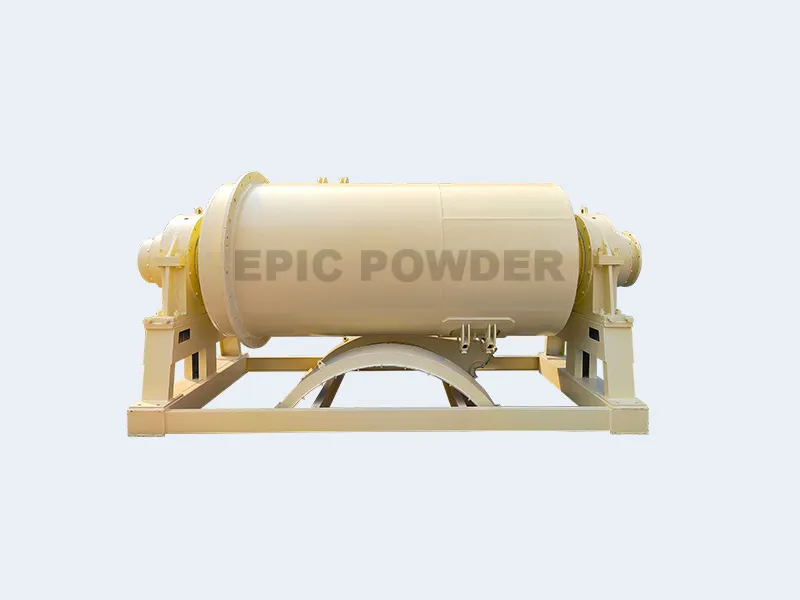
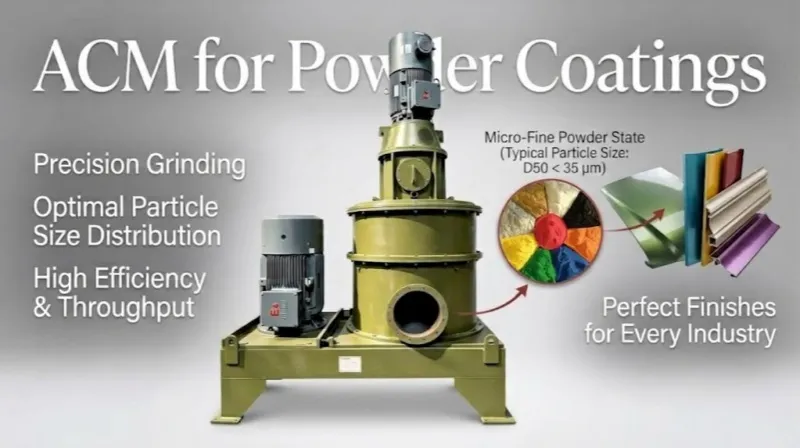
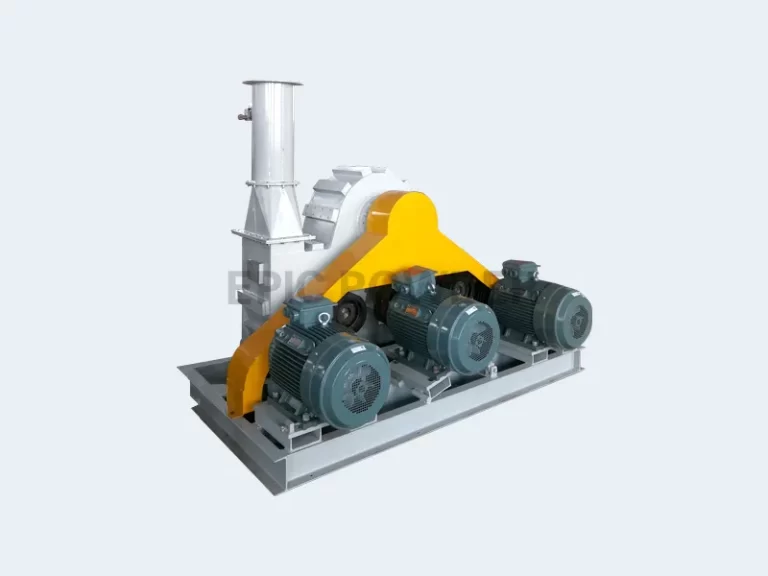
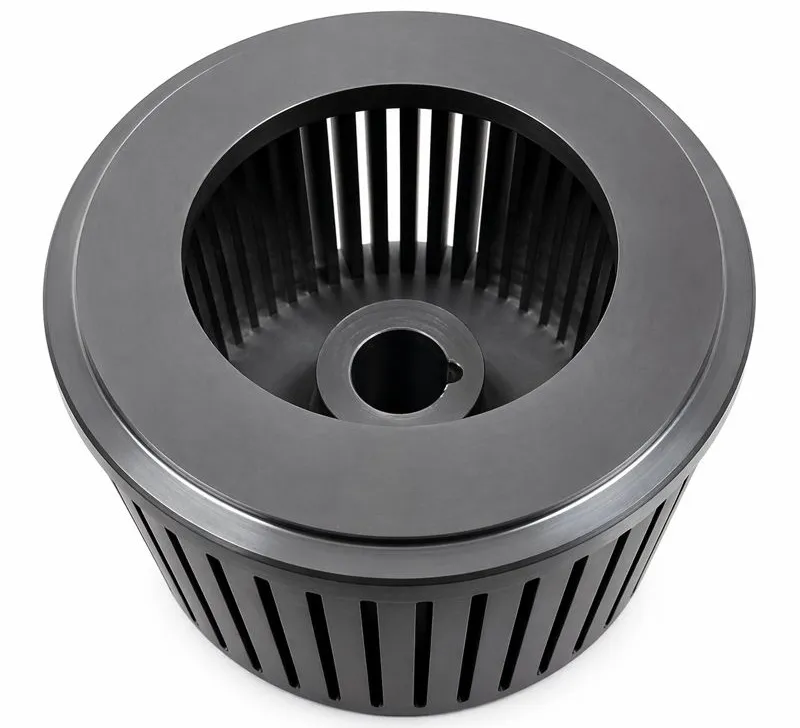
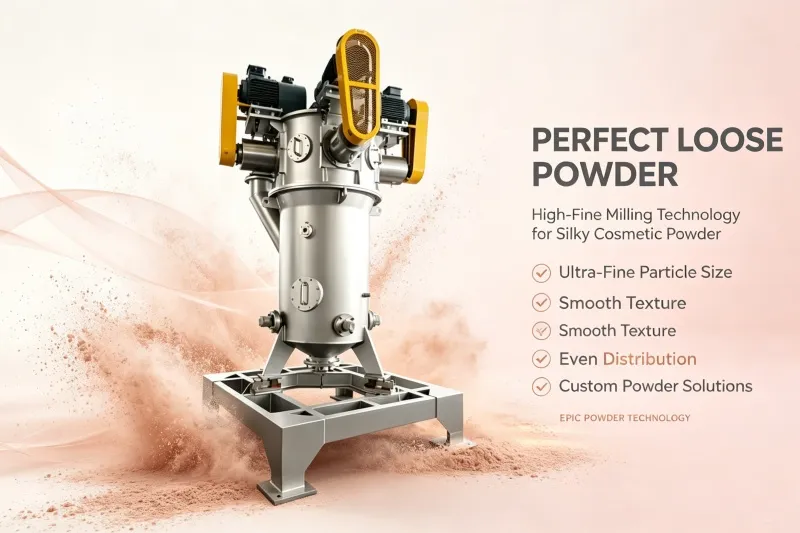
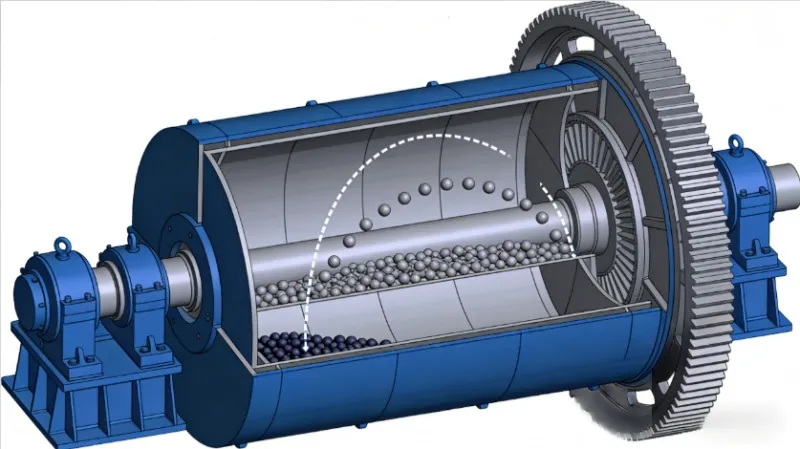
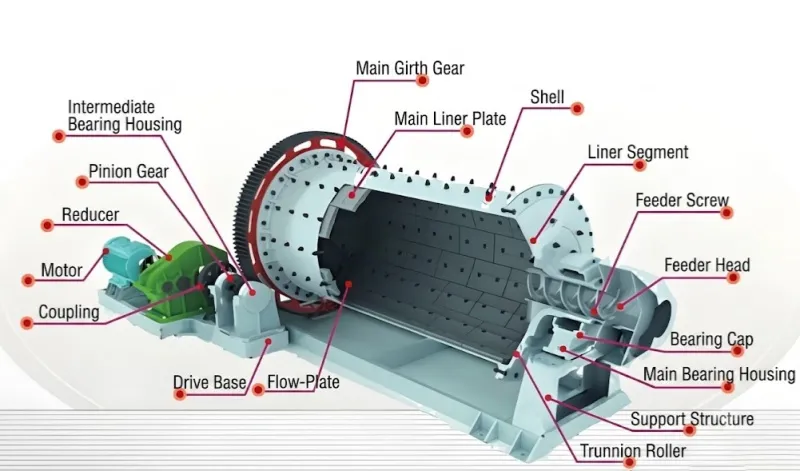
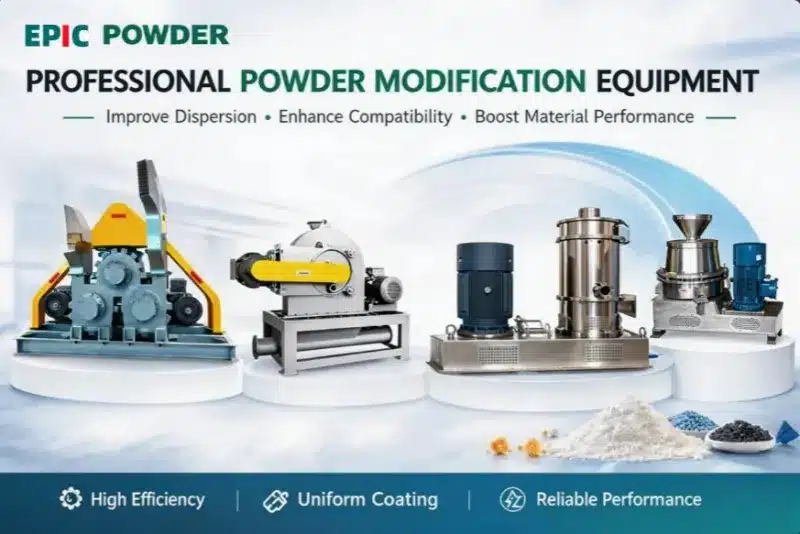
In the industrialization of solid-state batteries, commonly used ultrafine grinding equipment includes ball mills, vibration mills, air classifier mills, and nano grinding mills. Selecting the appropriate grinding method based on material properties and target particle size can significantly improve powder performance.
Ball Mills and Vibration Mills
Suitable for anode and cathode powders with high hardness that require substantial energy to break down.
Particle size distribution can be controlled by adjusting grinding time, ball diameter, and rotational speed.
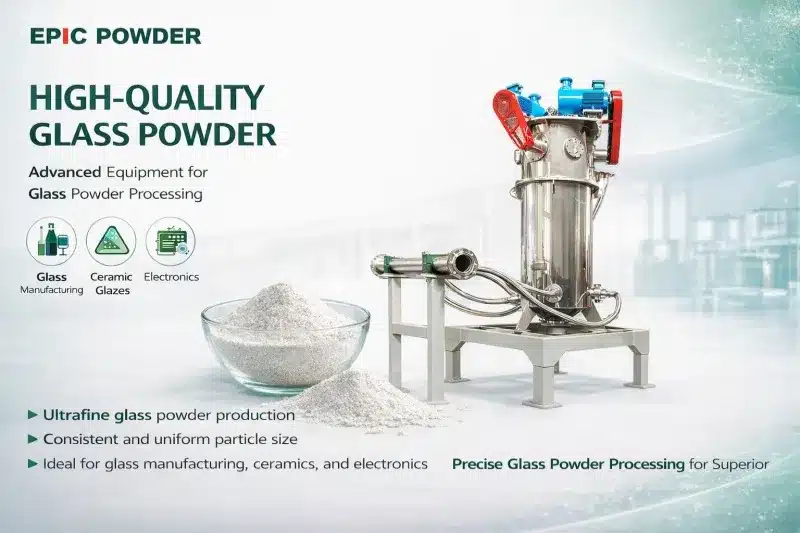
Air Jet Mills and Ultrafine Grinding Machines
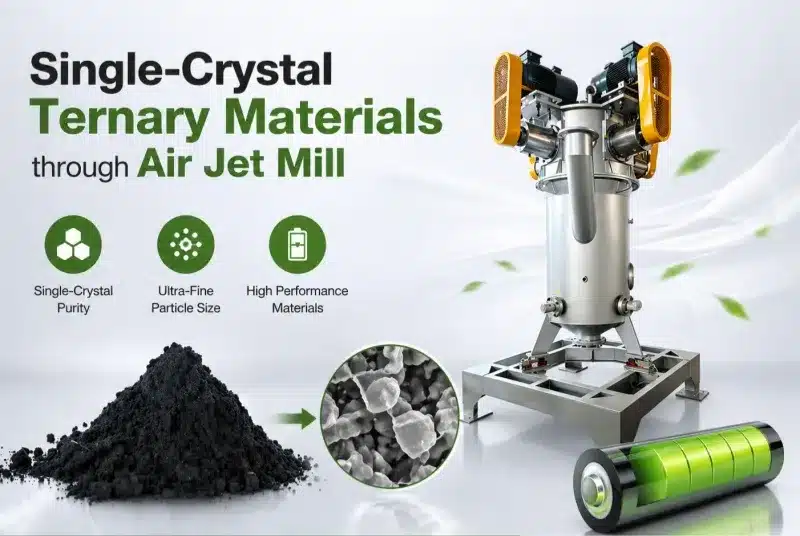
Gentle on heat-sensitive materials (such as sulfide electrolytes and polymers), enabling the production of nanoscale powders under low-temperature conditions.
They offer adjustable particle size, meeting the precise requirements for D50 and D90 particle sizes in various processes.
Surface Coating and Composite Treatment
Ultrafine powders are easier to coat, such as coating NCM particles with LiNbO₃ to enhance interfacial stability.
The efficiency of uniform mixing with conductive agents and solid-state electrolytes is significantly improved.
Common Questions and Answers Regarding the Preparation of Solid-State Battery Powders
Question 1: Why must the electrolyte in solid-state batteries undergo ultrafine grinding?
Answer: The ionic conductivity of solid-state electrolytes depends not only on the crystal structure of the material itself but also heavily on the interfacial area and interface integrity between particles. Electrolyte powders that have not undergone ultrafine grinding typically consist of larger particles, which present the following issues:
- Poor interfacial contact: Large particles leave many gaps, resulting in longer ion migration paths and increased interfacial resistance.
- Low density: When preparing electrode or electrolyte layers, it is difficult to form a dense structure, which affects mechanical stability.
- Poor mixing uniformity: It is difficult to mix uniformly with anode and cathode powders, leading to inconsistent local performance.
Through ultra-fine grinding, particles are reduced to the micron or even nanometer scale. This significantly increases the specific surface area and reduces interfacial resistance. At the same time, it improves the processability of the material and the cycling stability of the final battery.
Question 2: Why is ultra-fine grinding essential for silicon-based anode materials?
Silicon-based materials possess an extremely high theoretical capacity (approximately 3,579 mAh/g), but during lithium-ion intercalation and deintercalation, their volume expansion can exceed 300%. This can easily lead to particle fracture, electrode pulverization, and capacity decay. Ultrafine grinding plays a critical role here:
- Alleviating volume expansion stress: Micron- or nanoscale particles have smaller volumes, resulting in relatively lower expansion pressure. This promotes cycling stability.
- Enhancing interfacial contact: Fine particles are more easily wetted by the solid-state electrolyte, ensuring the continuity of ionic pathways.
- Ensuring uniform distribution of conductive agents: Consistent particle size helps ensure the uniform distribution of conductive agents, improving the electronic conduction network.
Challenges and Technological Trends in Solid-State Battery Powder Processing
Although ultrafine milling technology plays a vital role in the preparation of solid-state battery materials, it still faces several challenges.
Maintaining Powder Activity
When milling heat-sensitive materials, such as sulfide solid electrolytes, excessive temperatures may cause structural degradation or undesirable side reactions.
Solutions:
- Low-temperature grinding;
- Inert atmosphere processing;
- Nitrogen protection systems.
Particle Size Control Accuracy
Different battery components require different particle size specifications, such as D50 and D90 values. Therefore, high-precision classification and monitoring systems are essential.
Solutions:
- Combining air classification technology with closed-loop control systems;
- Implementing online particle size measurement;
- Achieving precise particle size regulation.
Balancing High Throughput and Low Energy Consumption
As the commercialization of solid-state batteries accelerates, demand for battery materials continues to grow rapidly. While ultrafine milling can produce finer particles, it also tends to increase energy consumption and equipment wear.
Solutions:
- Adopting high-efficiency, energy-saving milling equipment;
- Optimizing process flows to improve first-pass yield;
- Reducing specific energy consumption through intelligent process control.
Contamination Control
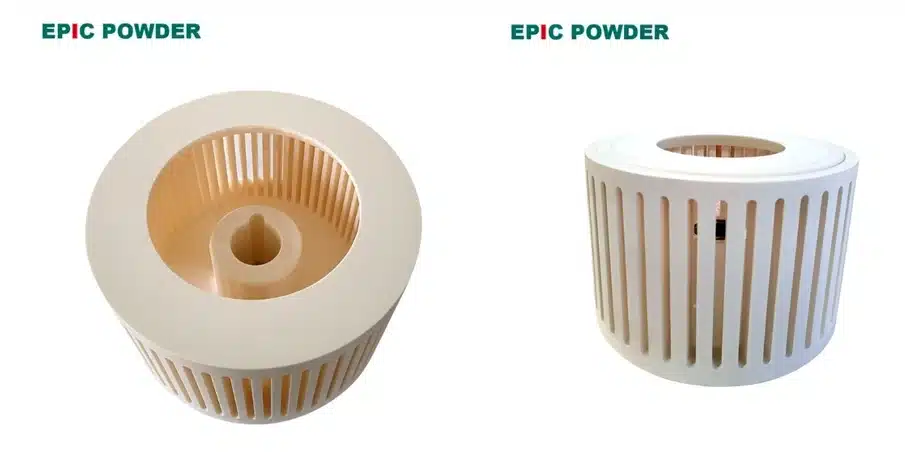
Battery materials require extremely high purity levels. Metal contaminants generated by equipment wear can negatively affect battery lifespan and safety performance.
Solutions:
- Using ceramic linings or highly wear-resistant materials;
- Applying particle-to-particle air jet milling technology;
- Establishing comprehensive impurity monitoring systems throughout the production process.
Technological Development Trends
In the future, solid-state battery powder processing is expected to evolve in the following directions:
- Higher Purity: Minimizing metal contamination and improving material quality.
- Inert Atmosphere Production: Protecting the activity and stability of sensitive materials.
- Precise Classification: Enhancing particle size consistency and product uniformity.
- Intelligent Control: Enabling real-time monitoring and automatic process adjustment.
- Integrated Grinding, Classification, and Surface Modification: Improving production efficiency while reducing overall energy consumption.
Conclusion
From sulfide and oxide electrolytes to high-nickel cathodes, silicon-based anodes, and various interface modification materials, virtually all key solid-state battery materials rely on ultrafine grinding technology. Ultrafine grinding does more than simply reduce particle size. It also directly affects a material’s specific surface area, interfacial contact quality, packing density, and ionic transport efficiency. These factors play a critical role in determining overall battery performance.
As all-solid-state batteries move toward higher energy densities, longer cycle lives, and large-scale commercialization, the importance of ultrafine grinding continues to grow. Ultrafine grinding equipment is no longer just a traditional size-reduction tool. It has become a critical manufacturing technology that can directly influence battery performance and product quality.
In the future, ultrafine grinding systems will focus on high purity, low contamination, precise particle size control, and intelligent operation. These advanced systems will become an indispensable part of solid-state battery material production lines. They will also provide a strong technological foundation for the development of the next-generation new energy industry.

“Thanks for reading. I hope my article helps. Please leave a comment down below. You may also contact Zelda online customer representative for any further inquiries.”
— Posted by Emily Chen