In the chemical, food, and environmental protection industries, there is a natural mineral dating back to ancient times. It sounds like “soil” and appears as a fine powder, yet it plays a vital role thanks to its unique microstructure. It is—diatomaceous earth.
However, freshly mined diatomaceous earth often comes in lumpy form and is mixed with impurities such as silt and sand. To unlock its remarkable filtration and adsorption capabilities, it must undergo meticulous processing using modern grinding equipment and classification technology.
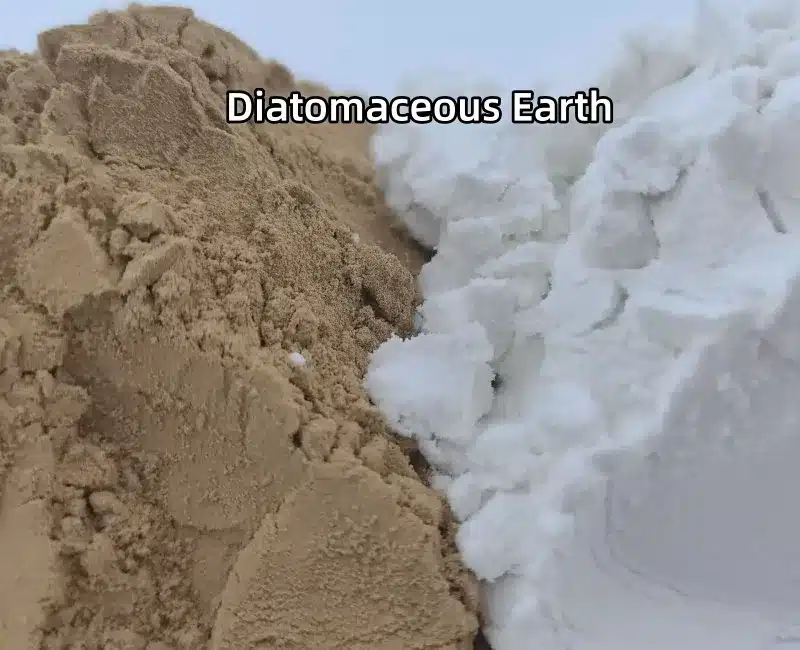
What is Diatomaceous Earth? From a “Microalga” to Mineral Ore
Diatomaceous earth is a biogenic siliceous sedimentary rock. Its “precursors” were diatoms—planktonic algae that lived tens of thousands of years ago. These tiny single-celled organisms had shells composed of silica and came in various shapes. When the diatoms died, their shells sank to the bottom of the water. Over long geological periods, through accumulation and fossilization, they eventually formed loose, porous diatomaceous earth deposits.
Simply put: diatomaceous earth is a fossilized accumulation of countless diatom “shells.”
Core Properties: The Gift of Porosity and the Challenge of Grinding
The industrial importance of diatomaceous earth stems primarily from the following properties:
- High porosity and large specific surface area: Natural porosity can exceed 80%, and each gram of diatomaceous earth can have a specific surface area of 40–65 m².
- Chemical stability: The main component is amorphous SiO₂, which is acid-resistant and chemically stable.
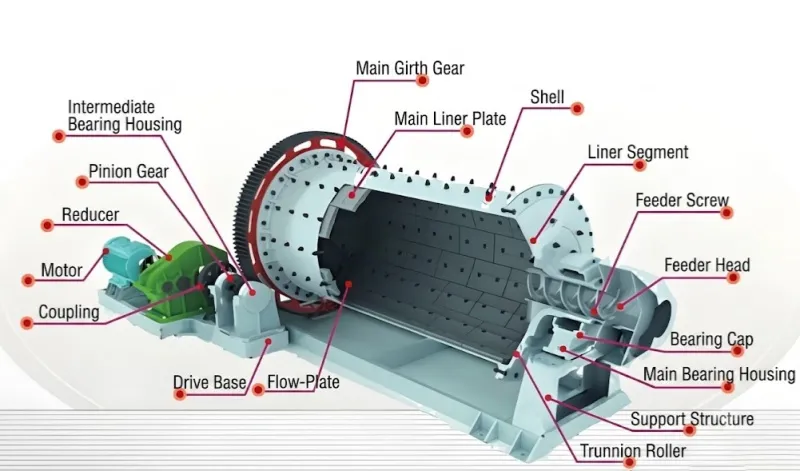
Core grinding challenge: Protecting the “little houses” from being crushed
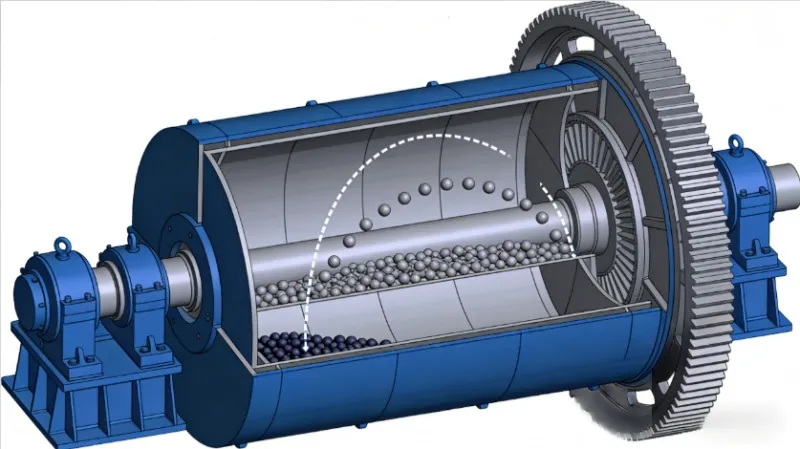
The skeleton of diatomaceous earth is extremely fragile. Using conventional ball mills or other high-pressure, high-shear grinders directly crushes the diatom shells, blocking their natural micropores and causing a loss of the inherent high surface area. Therefore, diatomaceous earth production requires strict selection of grinding equipment.
Mechanism of Action: How Filtration and Adsorption Work
After being finely processed by specialized grinding equipment, diatomaceous earth powder retains its perfect microporous structure at the microscopic level. This enables highly efficient purification.
Filtration Mechanism (Dispersion and Particle Size Control)
When a liquid containing impurities (such as beer or syrup) flows through a diatomaceous earth filter bed that has been finely ground and classified, the diatomaceous earth particles form a tortuous skeletal channel, much like building blocks. Larger solid impurities are trapped outside, while liquid molecules pass through smoothly.
The Role of Grinding Equipment:
Filter aids require an extremely narrow particle size distribution. Grinding equipment must be paired with a high-efficiency micro-powder classifier to precisely control particle size (D50, D97). There must be no unaggregated large particles to clog the pipes, nor should there be excessively ground “over-ground fine powder” that penetrates the filter mesh.
Adsorption Mechanism (Full Exposure of Surface Area)
The surface of diatomaceous earth contains numerous unsaturated chemical bonds (active sites) and nanoscale capillaries. When molecules of odors in the air, water molecules, or oil droplets in water approach, van der Waals forces trap them tightly.
Role of grinding equipment:
Raw diatomaceous earth ore often forms agglomerates. Using high-speed collisions in a jet mill or flexible grinding in a modified Raymond mill can de-agglomerate these clusters without damaging individual pores. This process fully exposes the internal surface area, increasing the number of adsorption active sites exponentially.
Grinding Process: Key Steps in Diatomaceous Earth Production and Modification
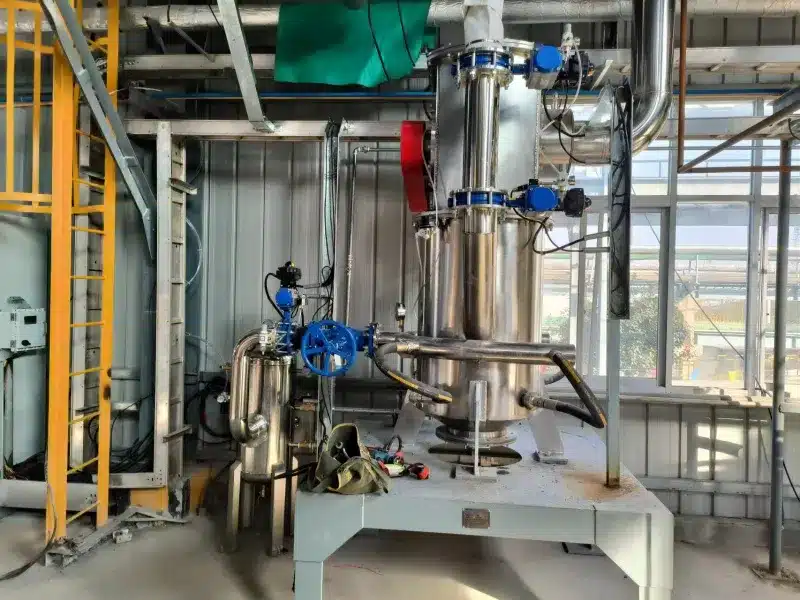
In practical diatomaceous earth production, processing typically follows the workflow:
Raw diatomaceous earth → Crushing & Drying → Calcination / Non-calcination → Mechanical Impact Mill / Raymond Mill / Jet Mill → High-efficiency Classifier → Finished Product (Filter Aid / Filler)
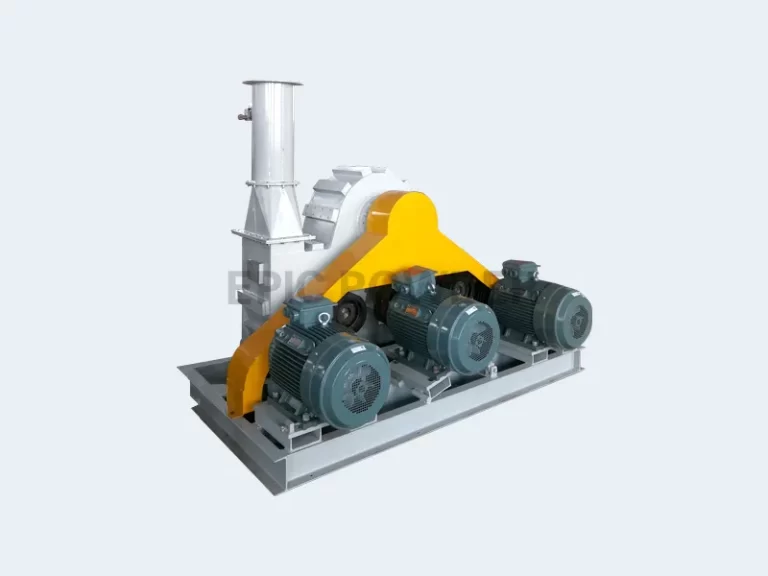
- Raymond Mill (Mainstream Choice): Suitable for primary grinding of semi-dry diatomaceous earth. Modern improved Raymond mills allow flexible grinding by adjusting roller pressure and airflow, maximizing output while minimizing damage to diatom shells.
- Jet Mill (High-end Fine Grinding): Utilizes high-speed airflow to suspend particles and induce collision-based grinding. Without mechanical contact, the microporous structure remains intact, ideal for producing high-purity, high-surface-area chemical fillers or pharmaceutical-grade filter aids.
Integrated Activation and Modification:
During grinding, surface modifiers like silane coupling agents can be sprayed inside the equipment. Under mechanochemical effects, diatomaceous earth is simultaneously ground and modified, allowing the fine powder to disperse efficiently in plastics, rubber, or coatings.
Main Applications: From Industrial to Household Uses
Finely ground and classified diatomaceous earth finds applications in many fields:
- Filtration and Clarification (Filter Aid)
In beer, wine, juice, and edible oil production, finely ground diatomaceous earth acts as a filter aid, forming a fluffy, high-flow-rate filter layer. Many clear beverages have passed through a diatomaceous earth filter layer. - Environmental and Indoor Functional Coatings
- Diatomaceous clay walls: The fully released pores absorb moisture when humid and release it when dry, achieving “breathable” humidity regulation.
- Leakage treatment: Efficiently adsorbs and solidifies oil spills in petroleum accidents.
- Industrial Functional Fillers (Matte and Abrasion Resistance)
In plastics, rubber, paper, and coatings (such as latex paint), finely ground diatomaceous earth is an excellent filler. It reduces cost, provides matte finish, prevents sticking, and improves coating breathability. - Agriculture and Daily Products
- Physical pest control: Precisely ground diatomaceous earth has micro-sharp structures (harmless to humans) that pierce insect exoskeletons, causing dehydration.
- Mild abrasives: With moderate hardness, it is used in polishing agents and toothpaste, removing stains without damaging substrates.
Production Considerations
- Dust Control and Environmental Protection: Fine grinding of diatomaceous earth generates large amounts of airborne dust, especially after calcination. Systems must maintain negative pressure and use high-efficiency pulse bag filters to protect operators.
- Avoid Over-grinding: Equipment parameters (rotation speed, airflow, feed rate) must be strictly controlled to prevent “over-fine” grinding, which destroys the core porous properties.
Conclusion
Diatomaceous earth, a gift from ancient lakes, has found irreplaceable value in modern industry due to its natural porous structure. Modern diatomaceous earth production equipment is the key that unlocks this ancient treasure. It applies precise force and scientific processes to protect nature’s craftsmanship while giving the powder the standards and efficiency demanded by contemporary industry. Unassuming yet omnipresent, diatomaceous earth quietly supports countless applications worldwide.

“Thanks for reading. I hope my article helps. Please leave a comment down below. You may also contact Zelda online customer representative for any further inquiries.”
— Posted by Emily Chen