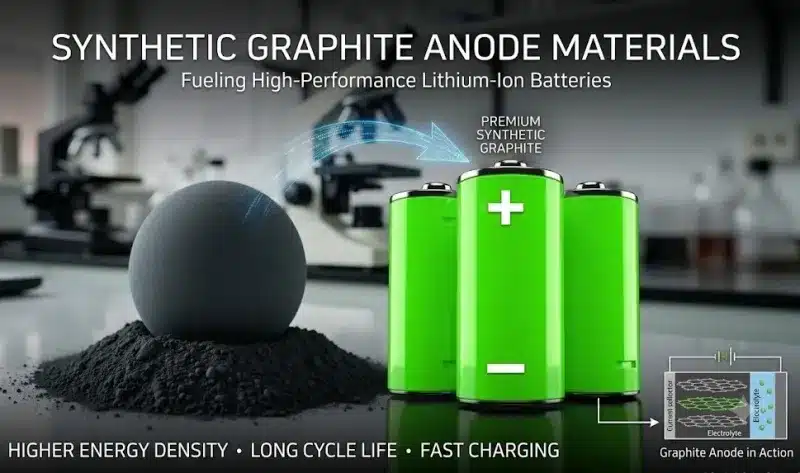
En medio del crecimiento exponencial de los vehículos de nueva energía y el almacenamiento energético, los materiales de ánodo de grafito sintético han alcanzado una cuota de mercado dominante, superior al 701%, en el sector de los ánodos de baterías de iones de litio, gracias a su excepcional vida útil y rendimiento a altas tasas de carga/descarga. Este artículo ofrece un análisis exhaustivo del proceso de fabricación completo mediante el cual el grafito sintético se transforma, a partir de un conjunto de fuentes de carbono amorfo, en partículas cristalinas de alta energía a través de una rigurosa serie de refinamientos.
Principios del proceso
1. Selección de materia prima y patrones de evolución estructural
Las materias primas utilizadas en la producción de Materiales de ánodo de grafito sintético Desempeñan un papel decisivo en la determinación del rendimiento electroquímico final, la densidad de compactación y la vida útil de las baterías de iones de litio. Entre ellas, el coque de aguja derivado del carbón, el coque de aguja derivado del petróleo y el coque de petróleo son los más utilizados. En los ánodos de baterías de alta potencia, el coque de aguja es la opción preferida. Su alta anisotropía y excelente estructura de mesofase permiten la formación de estructuras cristalinas en capas altamente uniformes tras la grafitización. Para los ánodos de gama media y baja, se suele utilizar el coque de petróleo, que es más económico.
A nivel molecular, las fracciones pesadas derivadas del carbón y el petróleo experimentan pirólisis a alta temperatura, policondensación y transformación de mesofase durante el proceso de refinación. Esto genera unidades de fase intermedia con isomería óptica específica. Durante la grafitización a alta temperatura, estas unidades guían la reorganización de los átomos de carbono, lo que provoca que los cristales de carbono finales formen una disposición ordenada a lo largo del plano de los microcristales de coque acicular. En consecuencia, el coque acicular presenta un mayor grado de grafitización inicial que el coque de petróleo común. Bajo las mismas condiciones de grafitización, puede producir productos con mayor capacidad y mejor densidad compactada.
2. Principios de la ingeniería de polvos:
Desde el coque en bruto hasta el polvo acabado, el grafito sintético se somete a múltiples etapas de trituración y moldeo. Se transforma gradualmente de partículas de tamaño centimétrico a polvo de tamaño micrométrico.
Trituración gruesa y trituración fina:
La energía mecánica se utiliza principalmente para superar las fuerzas de unión internas de las partículas. Bajo impacto, cizallamiento o molienda a alta velocidad, el coque en forma de aguja se fractura a lo largo de planos estructurales débiles. Para evitar que las partículas de alta relación de aspecto provoquen una orientación aleatoria de los microcristales —lo que reduciría el rendimiento del ánodo—, es necesario darles forma mediante un molino de chorro de aire o un molino mecánico de alta velocidad. Esto transforma las partículas de formas angulares irregulares en formas casi esféricas o con forma de patata.
Principios de aglomeración:
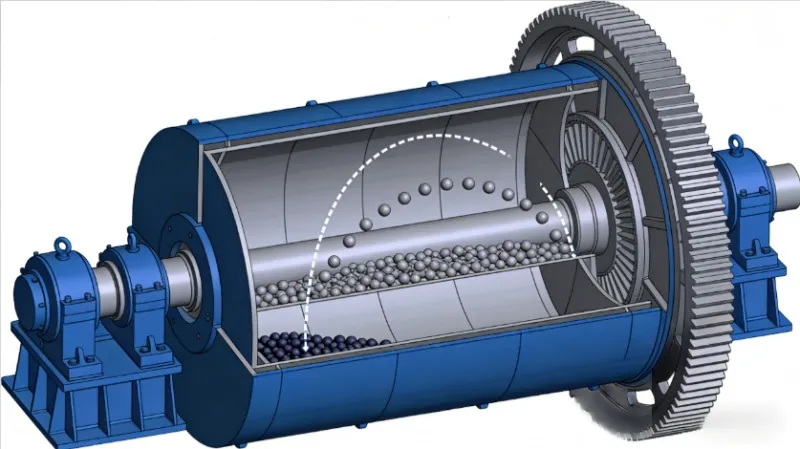
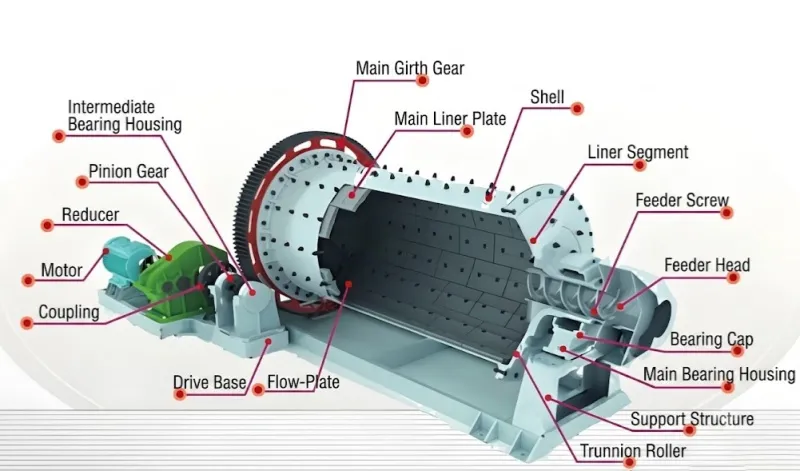
El polvo de coque de tamaño micrométrico se mezcla con un ligante asfáltico. A altas temperaturas (200–500 °C) y bajo agitación mecánica, el asfalto fundido recubre la superficie del polvo de coque, formando aglomerados de tamaño milimétrico o micrométrico. Posteriormente, mediante molienda de bolas o procesos de desaglomeración, las partículas grandes se descomponen en partículas secundarias esféricas compuestas de polvo de coque fino densamente compactado. Esta estructura influye directamente en la procesabilidad y las características de potencia del electrodo.
3. Mecanismo de grafitización:
La grafitización es el paso clave del tratamiento a alta temperatura en la fabricación de ánodos de grafito sintético. Los materiales de carbono granulados se colocan en un horno de grafitización a temperaturas que oscilan entre 2300 y 3000 °C. Los átomos de carbono pasan de una disposición desordenada a una estructura cristalina hexagonal regular en capas, lo que confiere al material una excelente conductividad eléctrica y capacidad de intercalación de iones de litio.
A nivel microscópico, la grafitización se puede dividir en tres etapas:
| Etapa de grafitización | Mecanismo de evolución microscópica |
|---|---|
| Etapa 1: Pedido inicial | Los átomos de carbono adquieren la energía suficiente, lo que permite una reorganización preliminar dentro de la red hexagonal bidimensional de carbono. |
| Etapa 2: Desarrollo tridimensional | Las capas de carbono se expanden lateralmente y se apilan verticalmente de forma simultánea, formando una estructura cristalina tridimensional inicial. |
| Etapa 3: Reparación de defectos | A temperaturas cercanas a los 3000 °C, los defectos de la red cristalina prácticamente desaparecen, lo que da como resultado una estructura cristalina del grafito muy cercana al estado ideal. |
El grado de grafitización refleja la similitud de un material con un cristal de grafito ideal. Cuantos menos defectos de red presente, mayor será la conductividad eléctrica y la capacidad reversible. Generalmente se mide mediante el espaciado interlaminar d002 del plano cristalino (002). Para el grafito ideal, este valor es de 0,3354 nm.
4. Principios de modificación del recubrimiento de carbono
La elevada superficie específica y la abundancia de defectos superficiales del grafito sintético lo hacen propenso a reacciones secundarias durante la carga y descarga. El recubrimiento de carbono reduce la superficie específica y minimiza las reacciones secundarias al formar una capa densa y amorfa de carbono sobre la superficie de la partícula. Esto mejora la eficiencia coulómbica inicial.
Durante la etapa de carbonización (800–1300 °C), el material de recubrimiento se transforma en carbono amorfo, formando una capa superficial estructuralmente estable y altamente protectora. Las tecnologías de vanguardia también incluyen el recubrimiento de carbono amorfo combinado con dopaje elemental (por ejemplo, polianilina, nitruro de boro), lo que reduce la reactividad y amplía las vías de difusión de los iones de litio.
Proceso de producción
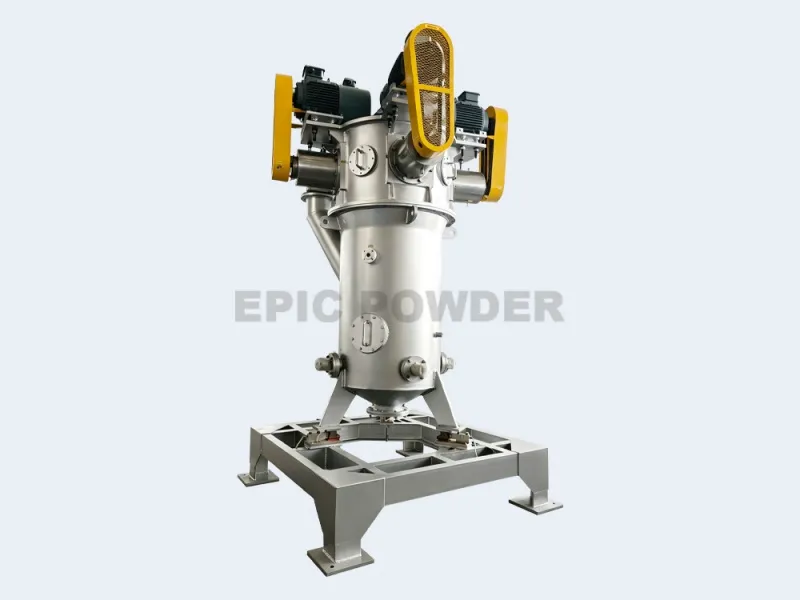
El proceso de fabricación de El proceso de fabricación de un Ánodo de grafito sintético se puede resumir de la siguiente manera:
Procesamiento de materia prima → Molienda → Clasificación → Granulación → Precarbonización → Grafitización → Recubrimiento superficial → Cribado y separación magnética → Envasado final
Procesamiento de materia prima y trituración gruesa: Las trituradoras de mandíbulas o de martillos se utilizan para triturar grandes terrones de coque hasta convertirlos en partículas de menos de 1 mm.
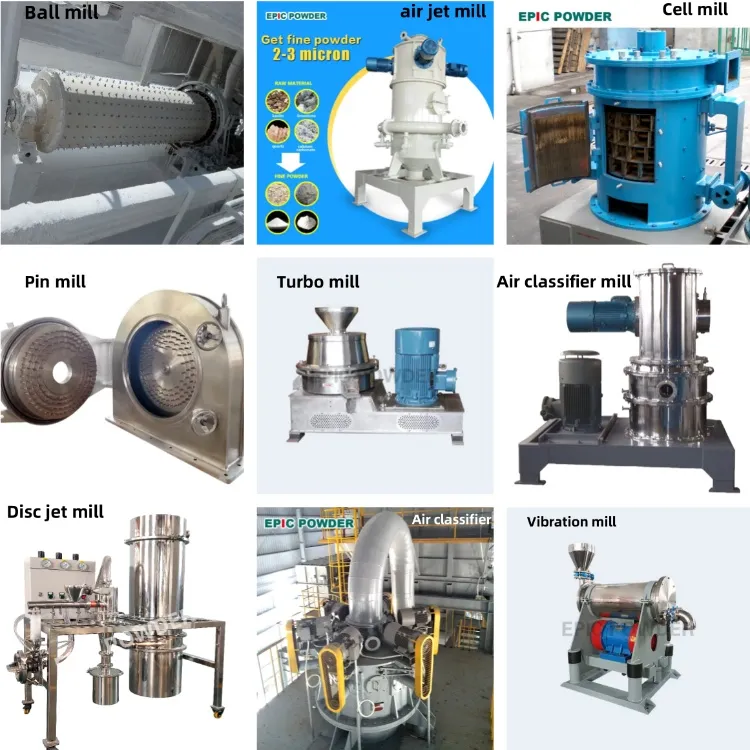
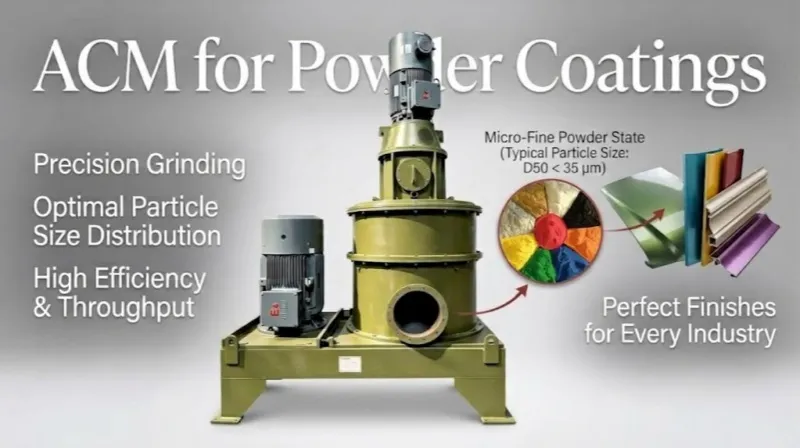
- Molienda y clasificación: Los procesos de molienda media y fina reducen el material a un tamaño de partícula objetivo de 5 a 20 μm, utilizando un clasificador de aire para controlar con precisión la distribución del tamaño de partícula.
- Granulación (Proceso principal): Generalmente se emplea una técnica de granulación en dos etapas. En la granulación primaria, el polvo de coque se mezcla con asfalto fundido y se somete a pirólisis en un reactor a 200–500 °C. La granulación secundaria implica fusión y prensado isostático para mejorar la resistencia de la unión entre partículas y la densidad de compactación.
- Precarbonización: El asfalto se cura en un horno de carbonización a 500–1100 °C para fijar la morfología estructural de las partículas secundarias.
- Grafitización (Proceso principal): El tratamiento térmico extremo se realiza en un horno de alta temperatura a 2300–3000 °C para lograr un grado de grafitización de ≥92,5%.
- Recubrimiento superficial y carbonización secundaria: Se introduce una fuente de carbono externa y el material se somete a una carbonización secundaria en un horno rotatorio para formar una estructura de núcleo-corteza, optimizando así la inercia química de la superficie.
- Apantallamiento y desmagnetización: Las partículas grandes se interceptan mediante una malla con un tamaño superior a 270 mallas, y se realiza una desmagnetización de alta intensidad utilizando un separador electromagnético con una intensidad de campo magnético de ≥1,2 T.
- Embalaje del producto terminado: Pesaje y envasado automáticos en condiciones de vacío o con atmósfera de nitrógeno para evitar la absorción de humedad y la contaminación secundaria.
Gestión de equipos
1. Equipos de molienda y clasificación
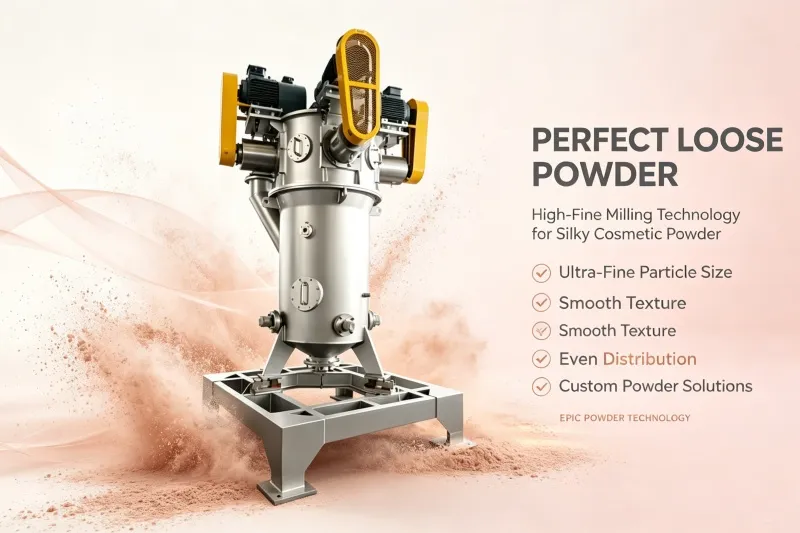
Molino de chorro de aire: Adecuado para la molienda ultrafina de materiales quebradizos, ofreciendo una alta relación de molienda y una distribución estrecha del tamaño de partícula. Sin embargo, debe tenerse cuidado para evitar que los residuos de desgaste metálico contaminen el producto.
Molino de rodillos: Tritura el coque mediante compresión; requiere una inspección periódica de las superficies de los rodillos y de la malla de la criba.
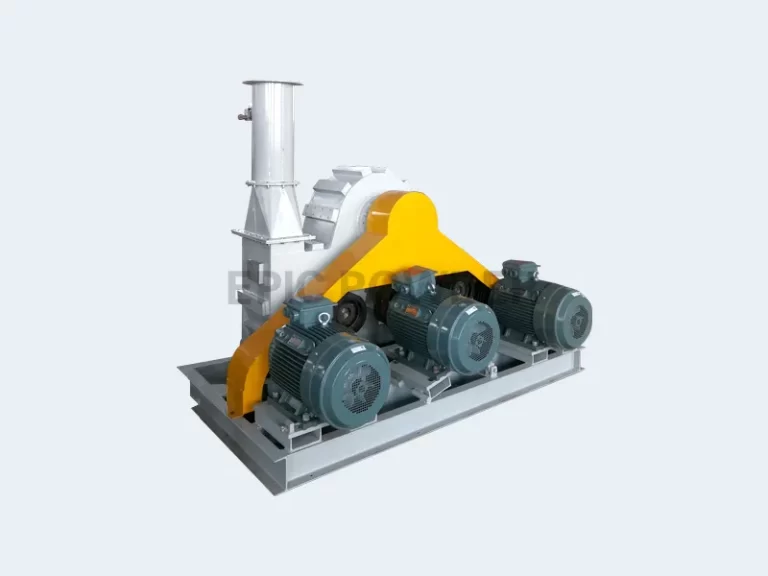
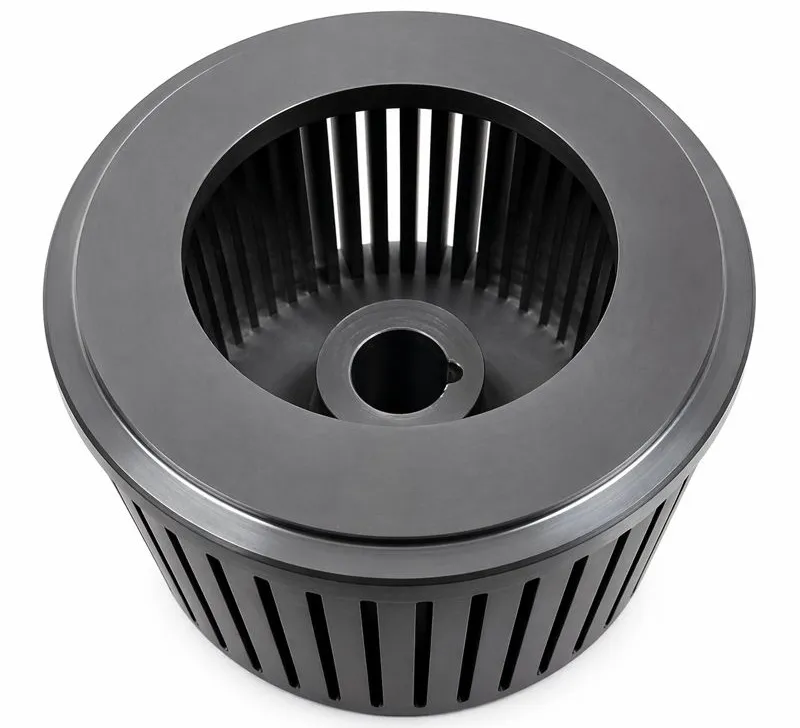
Clasificador de aire: Funciona en conjunto con el molino para ajustar la velocidad de la rueda de clasificación. El mantenimiento se centra en el desgaste de los cojinetes y las cuchillas.
2. Equipos de granulación
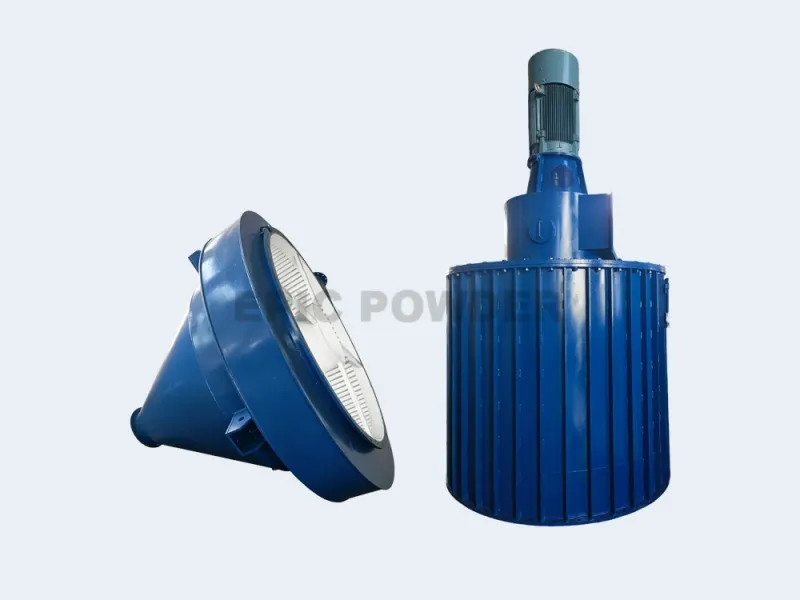
Reactor de alta temperatura: Garantiza una mezcla uniforme del polvo de coque y el asfalto fundido, con un control preciso de la temperatura y la velocidad de rotación.
Reactor de recubrimiento: Disponibles en configuraciones verticales u horizontales, con capacidades que van desde la escala de laboratorio (100 L) hasta la escala de producción (2000–4000 L).
3. Hornos de grafitización
Horno de Acheson: Los electrodos se insertan en el polvo; las temperaturas pueden alcanzar hasta 3000 °C. Es necesario tener cuidado para evitar la sinterización localizada y la introducción de impurezas metálicas.
Horno de cadena interna: Alta eficiencia térmica y corto tiempo de electrificación; requiere una alta resistividad eléctrica de la materia prima.
Horno continuo: Puede reducir el consumo de energía en 60%, pero mantener el sellado del horno, los gradientes de temperatura y la eficiencia de enfriamiento es un desafío.
4. Equipos de recubrimiento y modificación
Los hornos rotatorios o reactores de recubrimiento se utilizan para mezclar uniformemente las partículas de grafito con los materiales de recubrimiento y realizar la carbonización a alta temperatura. Las líneas de producción completas incluyen sistemas automatizados de control, alimentación, calentamiento, enfriamiento, agitación y tratamiento de gases de escape.
5. Examen de detección
Equipos de magnetización y desmagnetización
Criba vibratoria: Inspeccione la malla de la criba para detectar posibles daños antes de cada turno.
Separador electromagnético: Asegúrese de que el campo magnético sea ≥1,2 T. Limpie el núcleo magnético regularmente para garantizar que se eliminen las impurezas magnéticas según el estándar requerido.
Conclusión
La fabricación de materiales de ánodo de grafito sintético implica una cadena de procesos altamente sistemática y precisa. Desde la selección de la materia prima, el procesamiento del polvo, la granulación y la grafitización hasta el recubrimiento superficial, cada paso influye en el rendimiento y la calidad del material final. Una gestión eficiente y precisa de los equipos, junto con un riguroso control de calidad, constituyen la base para la producción de materiales de ánodo de alto rendimiento. A medida que la industria de las energías renovables continúa creciendo, la optimización de los procesos y la modernización de los equipos se convertirán en factores clave para mejorar la competitividad de estos materiales.

“Gracias por leer. Espero que mi artículo les sea útil. Dejen sus comentarios abajo. También pueden contactar al servicio de atención al cliente de Zelda para cualquier otra consulta.”
— Publicado por Emily Chen