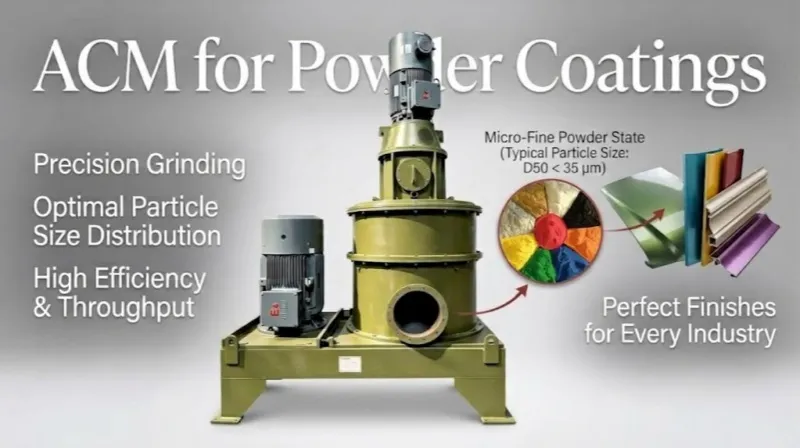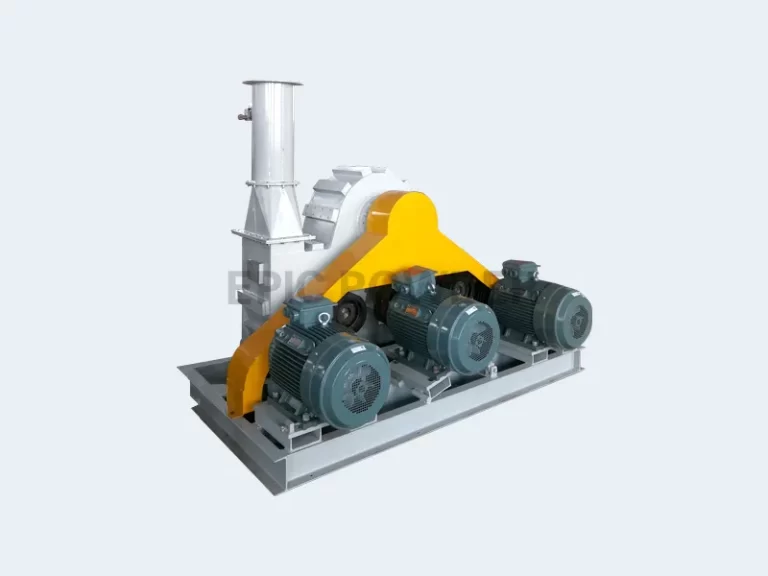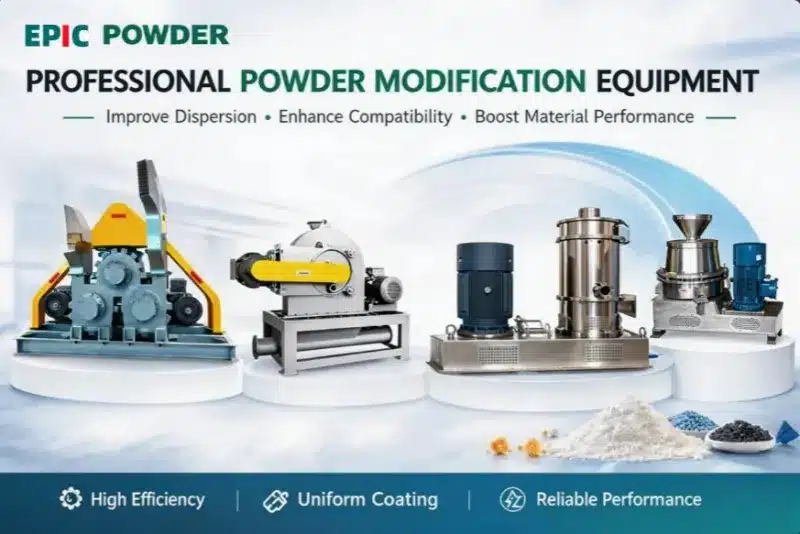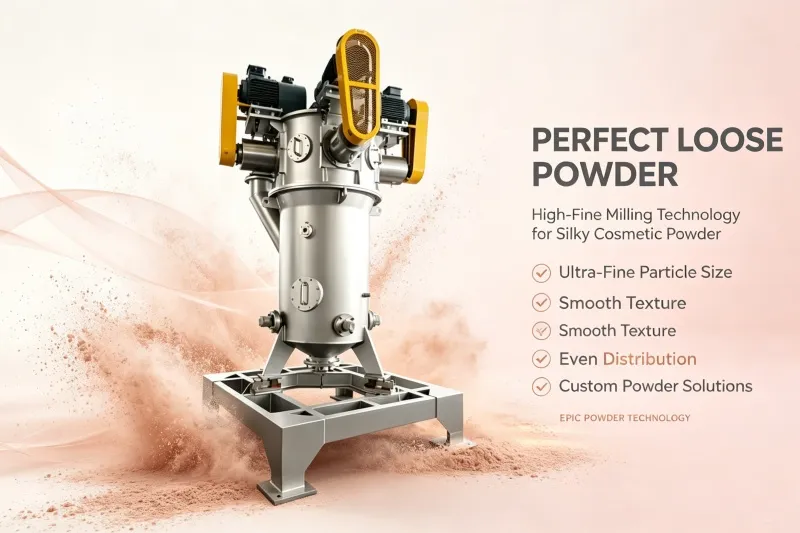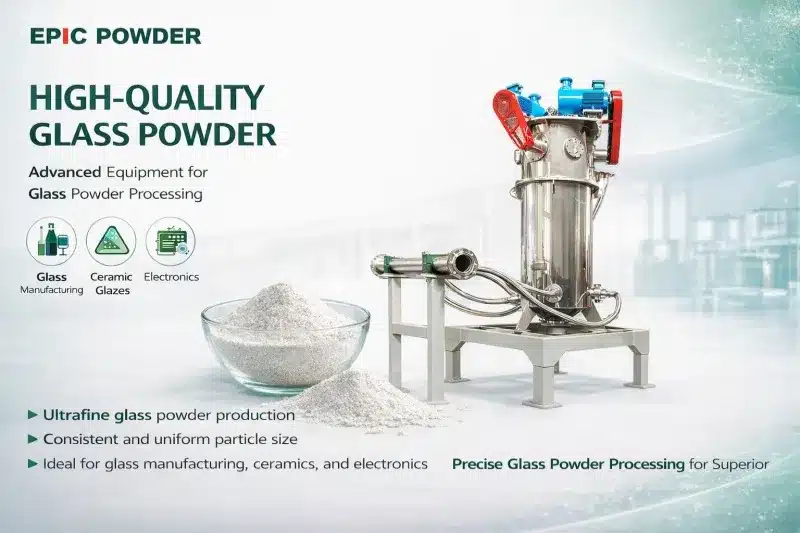
El fresado por chorro de aire (comúnmente conocido como molino de chorroSe podría decir que este equipo industrial es el que mejor aprovecha el poder del aire comprimido. Utiliza gas a alta presión, acelerado mediante boquillas especiales, para crear un campo de energía supersónica. Esto provoca que las partículas del material colisionen entre sí, sufriendo fricción y cizallamiento durante la fluidización a alta velocidad. Como resultado, se logra una molienda ultrafina a nivel micrométrico e incluso submicrométrico.
Como un medio libre sistema de procesamiento de polvo, Su principio fundamental reside en el autoafilado de materiales. Esto elimina por completo la contaminación del medio abrasivo causada por el desgaste mecánico tradicional. Al combinar un funcionamiento totalmente cerrado a presión negativa con capacidades únicas de molienda a baja temperatura, la molienda por chorro de aire se ha convertido en un equipo de alta tecnología indispensable en campos de vanguardia como la industria farmacéutica, las energías renovables y la química fina.
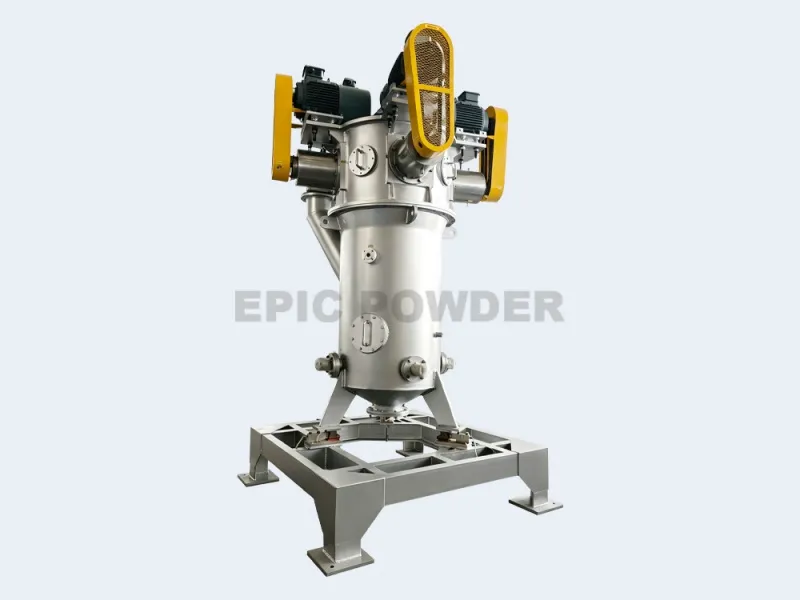
Principio de funcionamiento y flujo del proceso
El proceso central del fresado por chorro de aire sigue una lógica de circuito cerrado de “molienda de alta eficiencia—clasificación de precisión—recogida en circuito cerrado”:
Aceleración supersónica (etapa de molienda):
El gas propulsor a alta presión (aire comprimido o gas inerte) pasa a través de una tobera Laval, convirtiendo la energía de presión en energía cinética. Esto acelera instantáneamente el flujo de gas a velocidades supersónicas de 1,5 a 3,5 Mach.
Autoafilado fluidizado (Sección de impacto):
Impulsado por el intenso chorro de agua, el material queda suspendido en estado fluidizado. Las partículas chocan, se frotan entre sí y experimentan fuerzas de cizallamiento con una energía cinética extremadamente alta, logrando un auto-molido sin contacto directo con el revestimiento metálico del equipo.
Clasificación de turbinas forzadas (Sección de clasificación):
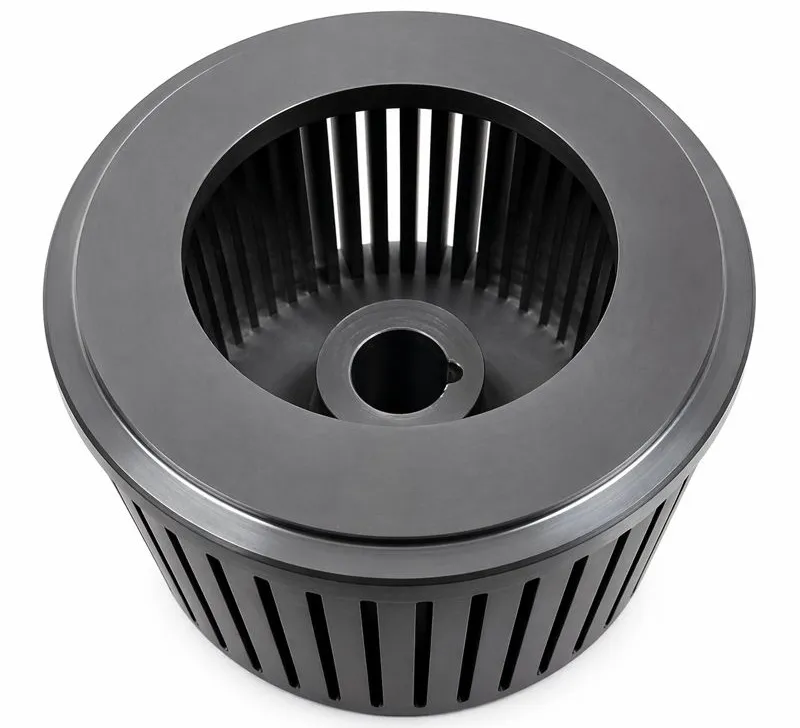
La mezcla gas-sólido ingresa a la zona de clasificación impulsada por presión negativa. El clasificador de turbina fina de alta velocidad genera una potente fuerza centrífuga que contrarresta la fuerza de arrastre producida por el flujo de aire.
Partículas gruesas no conformes:
La fuerza centrífuga supera la fuerza de arrastre, lo que provoca que sean proyectadas contra la pared de la cámara, donde se depositan y regresan a la cámara de molienda para su reprocesamiento.
Producto ultrafino conforme:
La fuerza de arrastre supera la fuerza centrífuga, lo que permite que las partículas pasen suavemente a través de las palas del clasificador y entren en el separador ciclónico y el colector de polvo posteriores para una recolección eficiente.
Evaluación técnica de cuatro tipos principales de fresado por chorro de aire
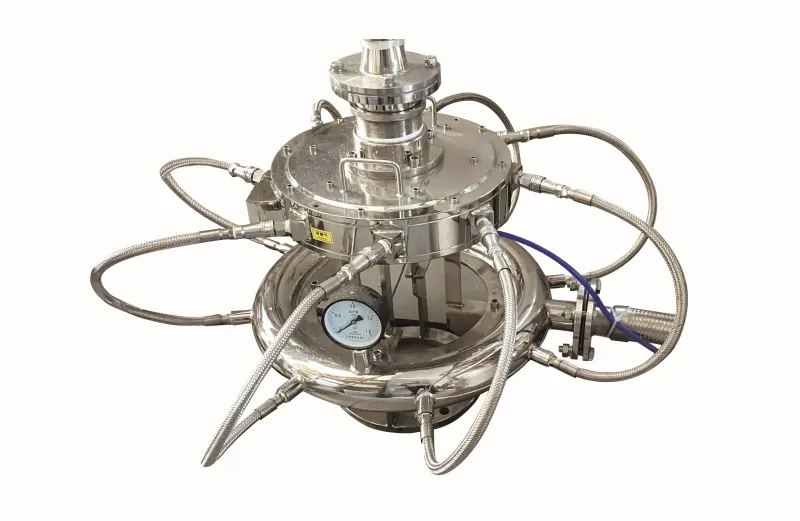
Los distintos diseños de cámara determinan la eficiencia en el aprovechamiento de la energía del flujo de aire y los tipos de materiales para los que son adecuados. A continuación, se presenta una comparación de los modelos más comunes actualmente:
| Categoría de equipo | Principio de fresado del núcleo | Ventajas técnicas principales | Limitaciones e inconvenientes | Escenarios de aplicación ideales |
| Molino de chorro de lecho fluidizado | Múltiples boquillas opuestas en la base; los materiales colisionan en un estado fluidizado centralizado. | Alta eficiencia energética, mínimo desgaste del revestimiento, precisión de clasificación superior, admite capacidades a gran escala. | Estructura relativamente compleja; mayores gastos de capital (CapEx) en equipos y costos de mantenimiento. | Producción industrial a gran escala, materiales de alta pureza y alto valor (por ejemplo, cátodos de baterías de litio). |
| Horizontal Espiral Molino de chorro (Tipo plano/de sartén) | El gas entra tangencialmente; las partículas giran y chocan describiendo una trayectoria plana y circular. | Estructura extremadamente compacta, sin zonas muertas (fácil de limpiar), coste moderado, desmontaje rápido. | Desgaste significativo en las paredes de la cámara de molienda, con riesgo de contaminación por residuos metálicos o del revestimiento. | Principios activos farmacéuticos, productos químicos finos convencionales, minerales no metálicos de bajo a medio valor. |
| Molino de chorro de bucle (Tipo de tubería circulatoria) | Los materiales se aceleran y colisionan dentro de un sistema de tuberías en bucle. | Alta intensidad de molienda; permite realizar modificaciones superficiales o secado simultáneamente en operaciones continuas. | Alto consumo de energía; desgaste pronunciado de las tuberías en los tramos curvos. | Laboratorios piloto de I+D, materiales especiales altamente abrasivos, modificación de superficies en lotes pequeños. |
| Molino de chorro de objetivo | Los chorros de partículas son transportados por un gas para impactar a alta velocidad contra una placa objetivo fija. | Estructura extremadamente simple; costo de equipo mínimo. | Desgaste severo de la placa objetivo, alta contaminación por impurezas, amplia distribución del tamaño de las partículas, carece de capacidad submicrométrica. | Trituración primaria de materiales frágiles, premolienda en laboratorio universitario. |
Cuatro ventajas principales
Molienda a baja temperatura
Mediante el efecto Joule-Thomson durante la inyección de gas, este experimenta una expansión adiabática en la salida de la boquilla, lo que provoca que la temperatura del sistema descienda de forma natural entre 20 °C y 40 °C. Esta característica de "autoenfriamiento" elimina la necesidad de un sistema de refrigeración adicional, proporcionando una protección óptima para componentes sensibles al calor (como productos biofarmacéuticos, medicamentos tradicionales chinos aromáticos y resinas de bajo punto de fusión) contra la desnaturalización o la fusión.
Garantía de alta pureza
Dado que el proceso se basa en la colisión entre partículas para la molienda, no se utilizan medios abrasivos (como perlas de circonia o bolas de acero). El revestimiento del equipo, las ruedas de clasificación y las tuberías pueden personalizarse completamente con recubrimientos resistentes al desgaste y a la contaminación, fabricados con cerámica (como alúmina, carburo de silicio y nitruro de silicio) o polímeros (como politetrafluoroetileno, PTFE). Esto cumple plenamente con los requisitos de control de impurezas de hierro para principios activos farmacéuticos (API) de grado inyectable y materiales de grado electrónico.
Tamaño de partícula de “distribución estrecha” preciso y controlable
Equipada con un sistema de clasificación de turbina de alta precisión con control de velocidad de frecuencia variable, la granulometría del producto final se puede ajustar libremente dentro del rango de D97 = 2–150 μm. En los modelos de gama alta, el diseño optimizado del campo de flujo permite la producción estable de productos submicrométricos (a escala casi nanométrica) con D50 < 1 μm. La curva de distribución de tamaño de partícula es extremadamente estrecha, sin contaminación por partículas gruesas.
Sistema robusto a prueba de explosiones "intrínsecamente seguro".
Para polvos especiales inflamables, explosivos o propensos a la oxidación (como el grafito para ánodos de baterías de iones de litio, polvos metálicos y azufre), el sistema de molienda por chorro de aire se puede integrar con un sistema de circuito cerrado que utiliza gases inertes (como nitrógeno o argón). Los sensores de oxígeno totalmente automáticos controlan estrictamente los niveles de oxígeno por debajo del umbral de seguridad, lo que garantiza un procesamiento seguro y sin preocupaciones.
Aplicaciones típicas en la industria y recomendaciones de selección
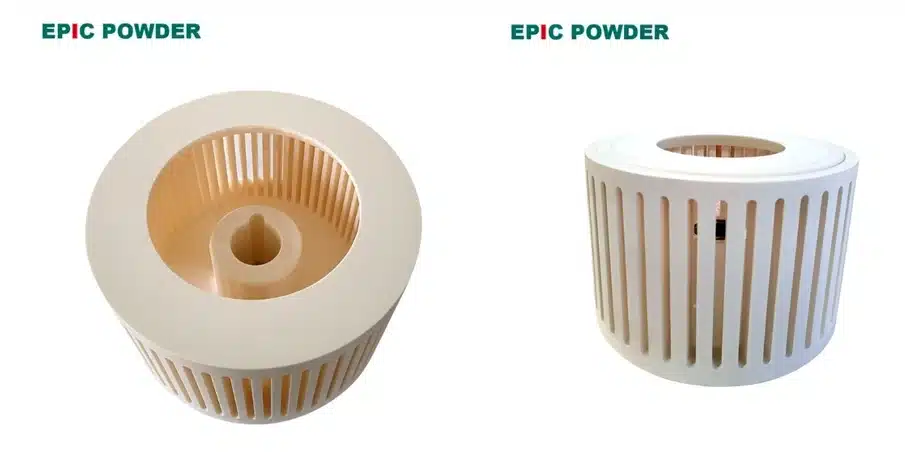
Las fresadoras de chorro de aire desempeñan actualmente un papel fundamental en la transformación de materiales en productos de alto valor en diversos segmentos de alta gama de la cadena de suministro industrial:
Productos farmacéuticos y biológicos:
Materiales típicos: Ingredientes farmacéuticos activos (API), polvos ultrafinos procedentes de medicamentos tradicionales chinos con células rotas y formulaciones para inhalación (por ejemplo, polvos de insulina inhalados).
Desafíos de selección: Requisitos extremadamente exigentes en cuanto a esterilidad, facilidad de limpieza (CIP/SIP) y prevención de la contaminación cruzada. La opción preferida es un molino de chorro de aire de lecho plano con revestimiento cerámico o fabricado íntegramente en acero inoxidable.
Nuevos materiales para baterías de energía:
Materiales típicos: Fosfato de hierro y litio, materiales catódicos ternarios, ánodos de grafito sintético/natural, electrolitos de estado sólido.
Desafíos de selección: Las sustancias magnéticas (hierro, níquel, cromo) deben controlarse a nivel de partes por mil millones (ppb), y se requiere una alta capacidad de producción. La opción preferida es un molino de chorro de aire a contracorriente de lecho fluidizado totalmente revestido de cerámica.
Productos químicos finos y materiales avanzados:
Materiales típicos: Pigmentos automotrices de alta gama, catalizadores, retardantes de llama especiales, polvos cerámicos de grado aeroespacial (carburo de silicio, nitruro de boro).
Desafíos de selección: La extrema dureza del material (dureza Mohs de 7 a 9 o superior) hace que la resistencia al desgaste del equipo sea la máxima prioridad. La opción preferida es un molino de aire de lecho fluidizado a contracorriente, con un recubrimiento cerámico de alta calidad aplicado a los componentes propensos al desgaste.
Conclusión
Al seleccionar un molino de chorro de aire, es fundamental evitar priorizar los precios bajos o centrarse únicamente en un solo indicador de rendimiento. En cambio, se debe dar prioridad a la evaluación de la dureza Mohs del material, su sensibilidad al calor, su inflamabilidad y explosividad, así como la tolerancia del producto final a las impurezas de hierro. Para la mayoría de las líneas de producción modernas que requieren alta pureza y alto rendimiento, un molino de chorro de lecho fluidizado a contracorriente combinado con un sistema de recirculación de gas inerte suele ser la combinación ideal para garantizar tanto la calidad como la seguridad.

“Gracias por leer. Espero que mi artículo te haya sido útil. Deja un comentario abajo. También puedes contactar con el servicio de atención al cliente online de Zelda para cualquier otra consulta.”
— Publicado por Emily Chen