في مجال معالجة المساحيق الصناعية، يُعدّ الطحن فائق النعومة عملية أساسية تحدد القيمة المضافة للمنتج. في مواجهة التقنيات الرئيسية الثلاث -مطاحن التصنيف الهوائي (سلسلة MJW)،, مطاحن جيت، و نظام إنتاج مطحنة الكرات وتصنيف الهواء-تجد العديد من الشركات صعوبة في اختيار مطحنة الطحن المناسبة التي تلبي متطلباتها الخاصة.
لكل قطعة من المعدات مبدأ عملها الفريد، وحدود أدائها، وجدواها الاقتصادية. قد يؤدي اختيار المعدات الخاطئة إلى انخفاض كفاءة الإنتاج، وارتفاع استهلاك الطاقة، وعدم مطابقة جودة المنتج لمعايير الصناعة. تقدم هذه المقالة تحليلاً معمقاً من منظور مبادئ العمل، والمزايا التقنية، وسيناريوهات التطبيق، والمقارنات الاقتصادية لمساعدتك على اتخاذ قرار مدروس.
أولاً: المبادئ الأساسية لعمل التقنيات الرئيسية الثلاث
1. مطحنة تصنيف الهواء (سلسلة MJW مطحنة ميكانيكية فائقة النعومة)
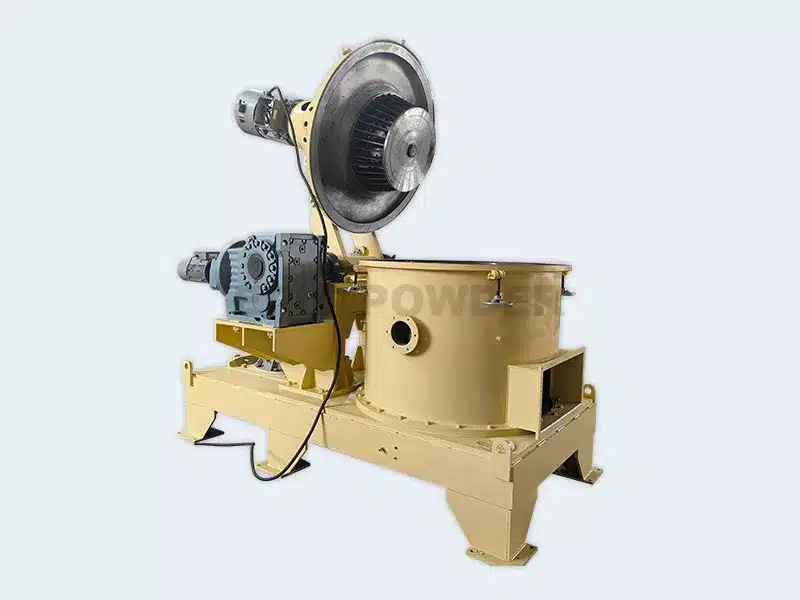
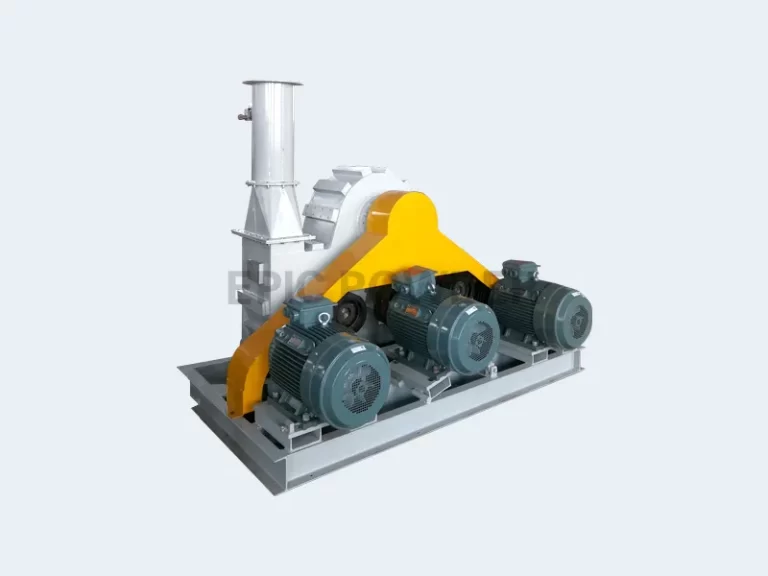
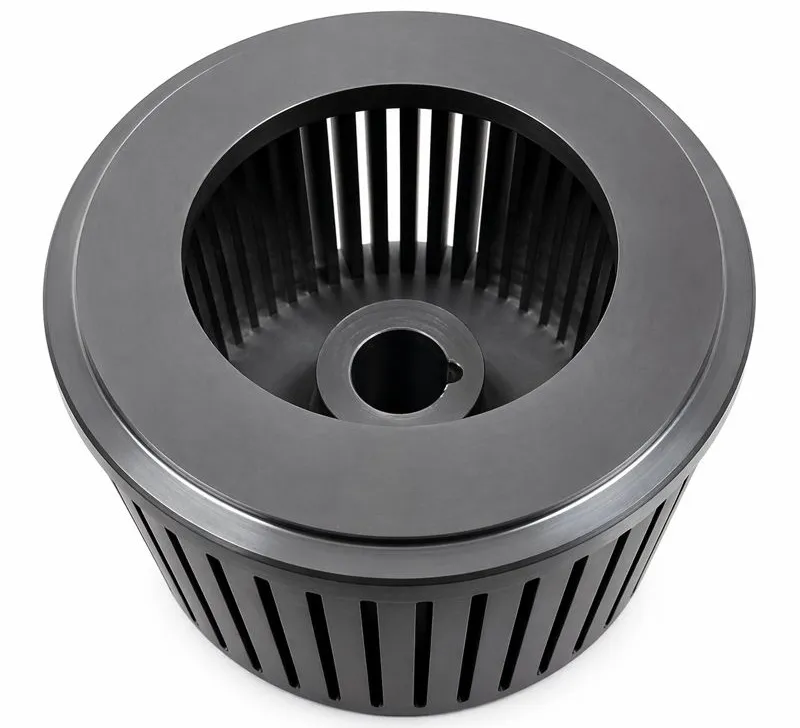
مطحنة التصنيف الهوائي (ACM) هي مطحنة طحن ميكانيكية عالية السرعة تتكون من دوار دوار عالي السرعة (مطارق أو شفرات أو دبابيس) وبطانة ثابتة.
- الآلية: تدخل المواد إلى حجرة الطحن عبر نظام تغذية، وتتعرض لصدمات وقص واحتكاك شديدين من الدوار عالي السرعة. تُنقل المواد المطحونة بواسطة تدفق الهواء إلى عجلة تصنيف مدمجة. يمر المسحوق الناعم المُصنف عبر العجلة، بينما تُعاد الجزيئات الخشنة إلى منطقة الطحن لمزيد من الطحن.
- الميزة الرئيسية: نظام واحد مدمج يجمع بين الطحن والتصنيف.
2. مطحنة النفث (مطحنة النفث ذات الطبقة المميعة)
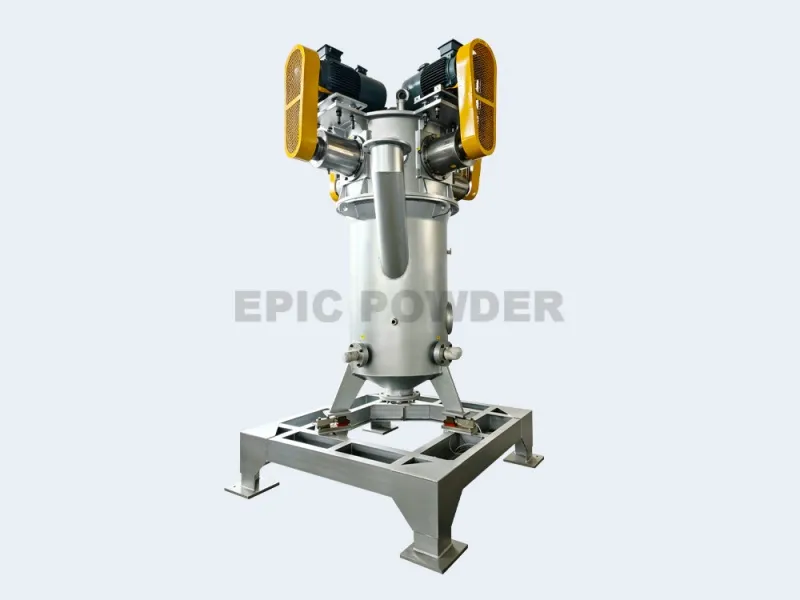
تستخدم مطحنة النفث الهواء المضغوط عالي السرعة (أو الغاز الخامل) كوسيط للطاقة، مما يحقق طحنًا فائق الدقة من خلال تصادم "المادة بالمادة".
- الآلية: يُسرّع الغاز المضغوط عبر فوهات لافال مُصممة خصيصًا ليتحول إلى تيارات فوق صوتية (تصل سرعتها إلى 300-500 متر/ثانية). تتصادم جزيئات المادة، وتحتك، وتقصّ بعضها بعضًا عند تقاطع هذه التيارات. ولأنها لا تعتمد على وسائط التصادم الميكانيكية، فإن المادة تُطحن ذاتيًا في الهواء.
- الميزة الرئيسية: طحن بدرجة حرارة منخفضة بدون تراكم للحرارة ونقاء عالٍ للغاية للمنتج.
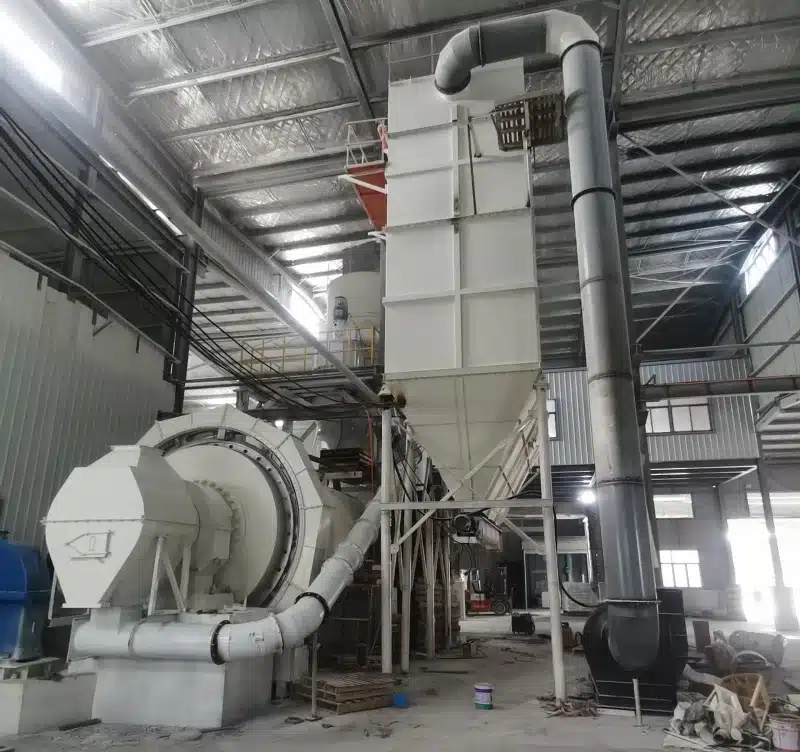
3. خط إنتاج تصنيف مطحنة الكرات
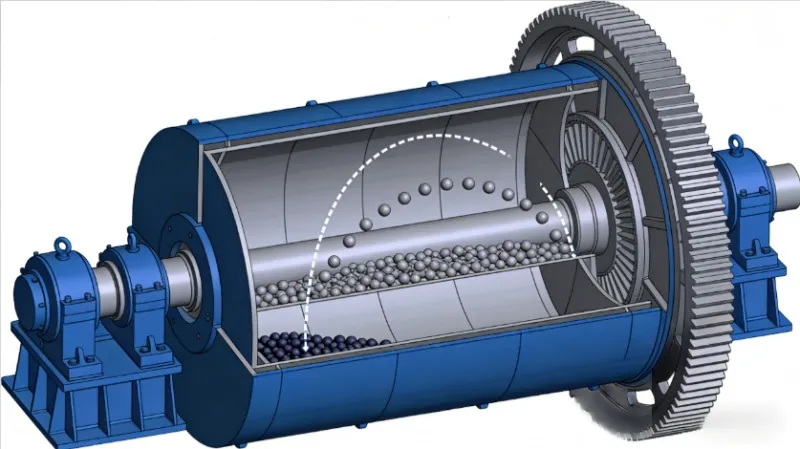
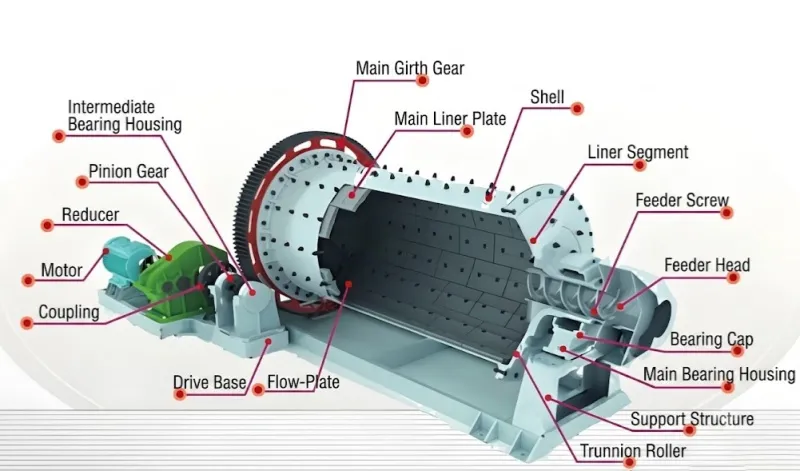
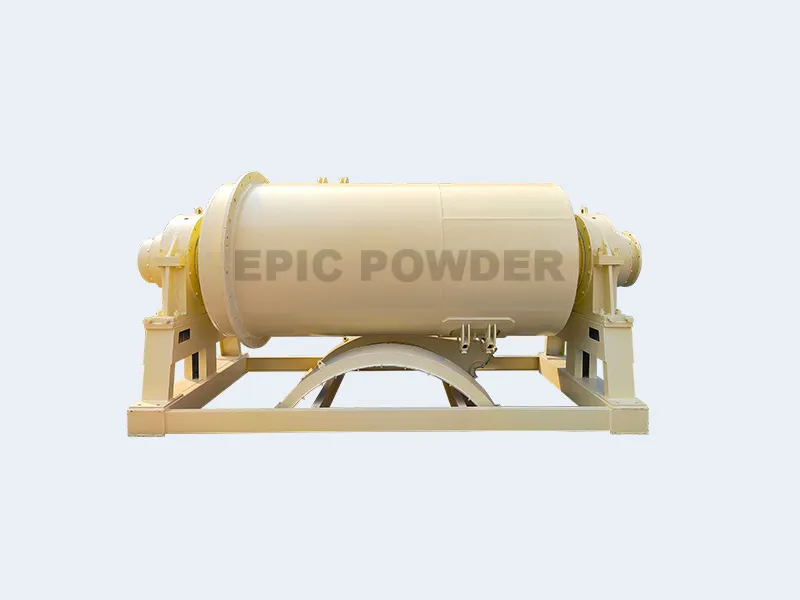
مطحنة الكرات هي مطحنة طحن مجربة عبر الزمن ومستقرة للغاية، وتستخدم عادة في نظام دائرة مغلقة مع مصنف هواء أفقي أو رأسي.
- الآلية: داخل أسطوانة دوارة، تُرفع وسائط الطحن (كرات فولاذية، أو كرات خزفية، أو خرزات ألومينا) ثم تُسقط. تُسحق المادة وتُطحن بفعل الاصطدام والاحتكاك بين الوسائط.
- الميزة الرئيسية: قدرة هائلة لآلة واحدة، قادرة على التشغيل المستمر طويل الأمد مع توزيع مستقر للغاية لحجم الجسيمات.
ثانيًا: مقارنة أبعاد اختيار اللب
لاتخاذ قرار مستنير، نقوم بتقييم هذه الأنظمة بناءً على خمسة مؤشرات رئيسية:
1. دقة الهدف
- مطحنة نفاثة: تُهيمن على نطاق D50: من 1 إلى 10 ميكرومتر. وتصل بسهولة إلى مستويات دون الميكرون. أما بالنسبة للمنتجات التي تتطلب D97 بين 3 و5 ميكرومتر، فإن مطحنة النفث هي الخيار الأمثل.
- مطحنة التصنيف الهوائي (ACM): مناسبة عادةً لحجم D97 بين 10 و 150 ميكرومتر. في حين أن بعض المطاحن الميكانيكية عالية الأداء يمكنها الوصول إلى D97: 8 ميكرومتر، إلا أن استهلاك الطاقة والتآكل يزدادان بشكل ملحوظ عند هذا المستوى.
- خط مطحنة الكرات: يتفوق في D97: 5 ~ 45 ميكرومتر. باستخدام مصنفات متعددة المراحل على التوالي، يمكنه إنتاج معادن صناعية عالية الجودة ذات توزيع ضيق للغاية لحجم الجسيمات.
2. صلابة المادة
- صلابة موس < 3.5 (المواد اللينة): مثل التلك، والكاولين، والجرافيت، وكربونات الكالسيوم، والأطعمة، والأدوية. ايه سي ام يقدم أفضل نسبة بين السعر والأداء هنا.
- صلابة موس 3.5 - 7 (مواد متوسطة/صلبة): مثل الكوارتز، والفلسبار، ورمل الزركون، والسيراميك الناعم. هذه المواد شديدة الكشط. مطحنة نفاثة (مزودة ببطانة واقية) أو خط مطحنة الكرات (مع بطانة من الألومينا) هو الأنسب.
- صلابة موس > 7 (مواد شديدة الصلابة): تُعد مطاحن النفث أو مطاحن الكرات المصممة خصيصًا هي الخيارات المفضلة.
3. التحكم في النقاء ودرجة الحرارة
- المواد الحساسة للحرارة: مثل المواد الوسيطة الصيدلانية، وبعض مكونات الطعام (مثل الماتشا)، والمبيدات الحشرية. مطحنة جيت يستغل تأثير جول-طومسون (التبريد عند تمدد الغاز)، مما يحافظ على درجة حرارة الحجرة ثابتة، مما يجعله الخيار الموثوق الوحيد للسلع الحساسة للحرارة.
- مواد عالية النقاء: مثل مواد الكاثود/الأنود لبطاريات الليثيوم والمساحيق الإلكترونية. مطحنة جيت وهو مثالي لأنه لا يحتوي على اتصال ميكانيكي ويمكن تركيبه بسهولة ببطانات سيراميكية كاملة (الألومينا أو كربيد السيليكون أو البولي يوريثان) لمنع التلوث المعدني.
- المعادن الصناعية العامة: بالنسبة للمنتجات مثل ورق التغليف، يمكن لخطوط مطاحن الكرات أو هياكل الألمنيوم المركبة ذات البطانات غير المعدنية تلبية متطلبات النقاء.
4. حجم الإنتاج وقدرته
- مختبر صغير الحجم: تتميز مطاحن النفث ومطاحن التكسير الصغيرة بمرونة عالية.
- على نطاق متوسط إلى كبير: توفر وحدات معالجة الهواء عادةً قدرات تتراوح من عدة مئات من الكيلوغرامات إلى بضعة أطنان في الساعة.
- إنتاج ضخم للغاية (إنتاج سنوي > 10000 طن): ال خط تصنيف مطحنة الكرات تتمتع بميزة لا مثيل لها. يمكن توسيع نطاق مطاحن الكرات بشكل كبير، وهي الخيار الأول لعمليات التعدين واسعة النطاق نظرًا لاستقرارها الشديد.
5. استهلاك الطاقة والاقتصاد
- استهلاك الطاقة المحدد: خط مطحنة الكرات < ACM < مطحنة النفث.
- مطاحن جيت تتميز بأعلى معدل استهلاك للطاقة لأن كفاءة تحويل الطاقة (من الكهرباء إلى ضغط الهواء إلى الطاقة الحركية) منخفضة نسبيًا.
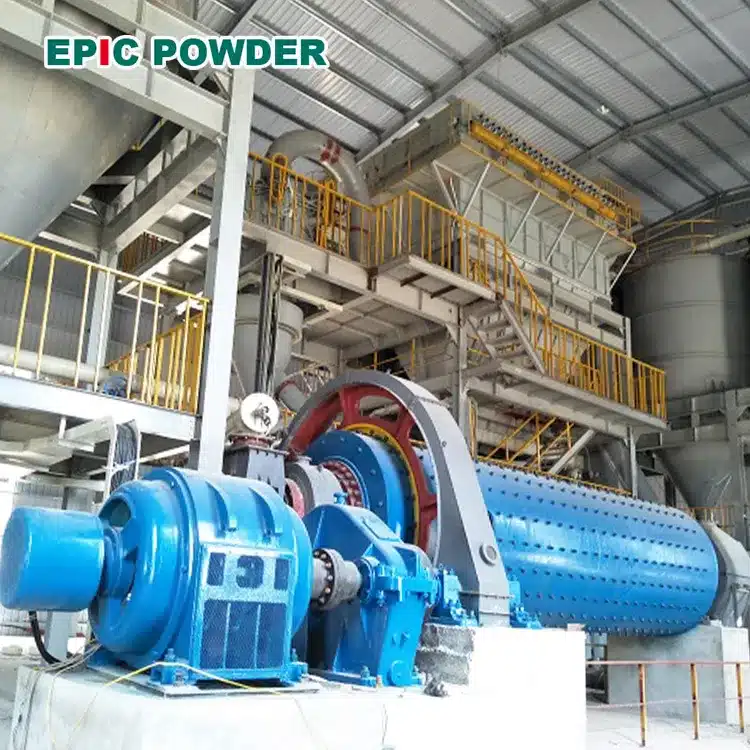
- مطاحن الكرات تتميز بانخفاض تكاليف التشغيل، والتي تتكون أساسًا من الكهرباء وتآكل وسائط الطحن.
ثالثًا: توصيات خاصة بالقطاع
1. صناعة مواد بطاريات الليثيوم
تُعد مواد الكاثود (LFP، NCM) ومواد الأنود (الجرافيت الصناعي، الكربون الصلب) حساسة للغاية لـ الشوائب المعدنية (الحديد، النحاس، الزنك، إلخ). وتتطلب حجم جسيمات موحد.
- توصية: مطحنة نفاثة (حماية سيراميكية كاملة). يوفر هذا المنتج تفتيتًا ممتازًا للتكتلات مع ضمان الحد الأدنى من امتصاص المعادن. بالنسبة لبعض أنواع الجرافيت المعدل، سلسلة MJW ACM كما يتم استخدام تصميمات خاصة مضادة للتآكل.

2. صناعة الأغذية والأدوية
وتشمل الأمثلة الماتشا والإريثريتول والعديد من البروتينات النباتية.
- توصية:
- ماتشا: يُفضل استخدام مسحوق ACM لأن التحكم في درجة حرارته يحافظ على اللون الأخضر النابض بالحياة.
- البروتينات النباتية (فول الصويا، البازلاء): غالبًا ما يتم استخدام ACM للتجزئة الجافة لزيادة إنتاج البروتين مع الحفاظ على سلامة العناصر الغذائية.
- المستحضرات الصيدلانية الحساسة للحرارة: مطحنة النفث هي المعيار.
3. المعادن الصناعية (GCC، الكوارتز، التلك، إلخ)
- توصية:
- بالنسبة للإنتاج السنوي الذي يبلغ عشرات الآلاف من الأطنان (على سبيل المثال، حشو الورق): مطحنة كروية + مصنف متعدد الدوارات عمودي.
- بالنسبة لحجم الجسيمات الصغير والتوزيع الضيق (مثل الحشوات البلاستيكية): مطاحن جيت توفير ركيزة أفضل لتعديل السطح.
4. المواد الخطرة (الكبريت، المساحيق المتفجرة)
- توصية: يجب استخدام نظام الحماية بالغاز الخامل (النيتروجين/ثاني أكسيد الكربون). كلاهما مطاحن جيت و ACMs يمكن تهيئتها كأنظمة ذات حلقة مغلقة لضمان السلامة المقاومة للانفجار.
رابعاً: مصفوفة قرار الاختيار
| ميزة | مطحنة تصنيف الهواء (MJW) | مطحنة جيت | مطحنة الكرات |
| المواد المناسبة | صلابة متوسطة/ناعمة، حساسية عامة للحرارة | صلب، عالي النقاء، شديد الحساسية للحرارة | صلابة متوسطة/عالية، على نطاق واسع |
| النقاء (D97) | 8 ~ 150 ميكرومتر | 2 ~ 45 ميكرومتر | 5 ~ 74 ميكرومتر |
| ملف PSD | ضيق | ضيق للغاية | موحد ومستقر |
| خطر التلوث | متوسط (يتطلب بطانة) | منخفض للغاية | منخفض (وسائط/بطانة سيراميكية) |
| استهلاك الطاقة | واسطة | عالي | قليل |
| سعة الوحدة | 0.2 – 15 طن/ساعة | 0.3 – 10 طن/ساعة | 1 – 20 طن/ساعة |
| تكلفة الاستثمار | قليل | واسطة | عالي (يتطلب بنية تحتية كثيفة) |
5. الخاتمة
لا يوجد جهاز "أفضل" جهاز، بل يوجد فقط الجهاز "الأكثر ملاءمة" لاحتياجاتك الخاصة.
- للحصول على أعلى درجات النقاء والصفاء, وخاصة بالنسبة للمواد عالية القيمة أو الحساسة للحرارة، اختر مطحنة النفث.
- للحصول على أفضل نسبة بين السعر والأداء والمرونة تُعد مطحنة التصنيف الهوائي، التي تعمل مع المواد ذات الصلابة المنخفضة إلى المتوسطة، "الآلة متعددة الاستخدامات" في الإنتاج الصناعي.
- لتحقيق الحجم والاستقرار في معالجة المعادن الصناعية الصلبة، يعتبر خط تصنيف مطحنة الكرات أفضل استثمار طويل الأجل.
قبل اتخاذ القرار النهائي،, مسحوق ملحمي ننصح بشدة بإجراء الاختبارات المعملية. من خلال مقارنة منحنيات توزيع حجم الجسيمات الفعلية، وصور المجهر الإلكتروني الماسح، وبيانات تكلفة الطن، يمكنك ضمان تحقيق أقصى عائد على استثمارك.

“شكراً لقراءتكم. أتمنى أن يكون مقالي مفيداً. يُرجى ترك تعليق أدناه. كما يمكنكم التواصل مع ممثل خدمة عملاء زيلدا عبر الإنترنت لأي استفسارات أخرى.”
— نشر بواسطة إميلي تشين