В области промышленной обработки порошков сверхтонкое измельчение является ключевым процессом, определяющим добавленную стоимость продукта. При наличии трех основных технологий…Воздушные классификационные мельницы (Серия MJW), Струйные мельницы, и Производственная система с шаровой мельницей и воздушным классификатором—Многие компании сталкиваются с трудностями при выборе подходящего измельчителя, соответствующего их конкретным требованиям.
Каждое оборудование имеет свой уникальный принцип работы, пределы производительности и экономическую целесообразность. Неправильный выбор оборудования может привести к низкой эффективности производства, высокому энергопотреблению и качеству продукции, не соответствующему отраслевым стандартам. В этой статье представлен углубленный анализ с точки зрения принципов работы, технических преимуществ, сценариев применения и экономических сравнений, который поможет вам сделать обоснованный выбор.
I. Основные принципы работы трех основных технологий
1. Воздушная классификационная мельница (механическая сверхтонкая мельница серии MJW)
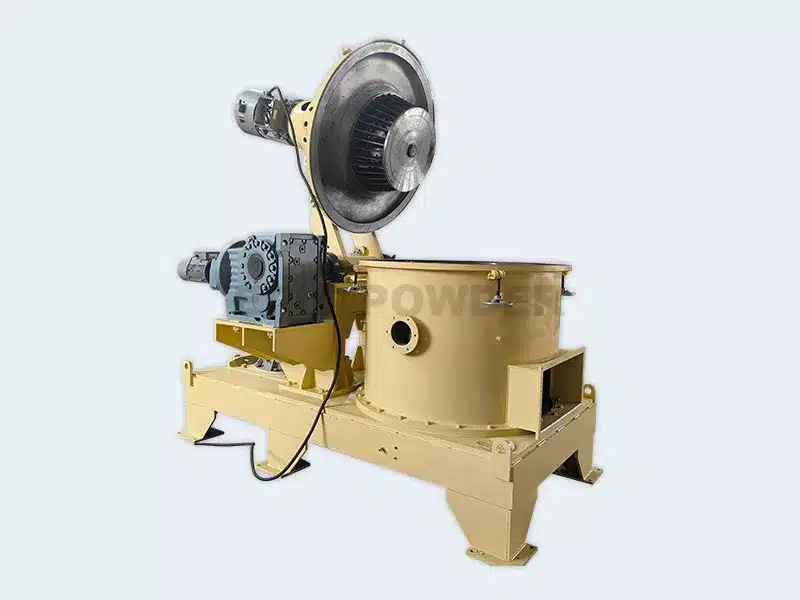
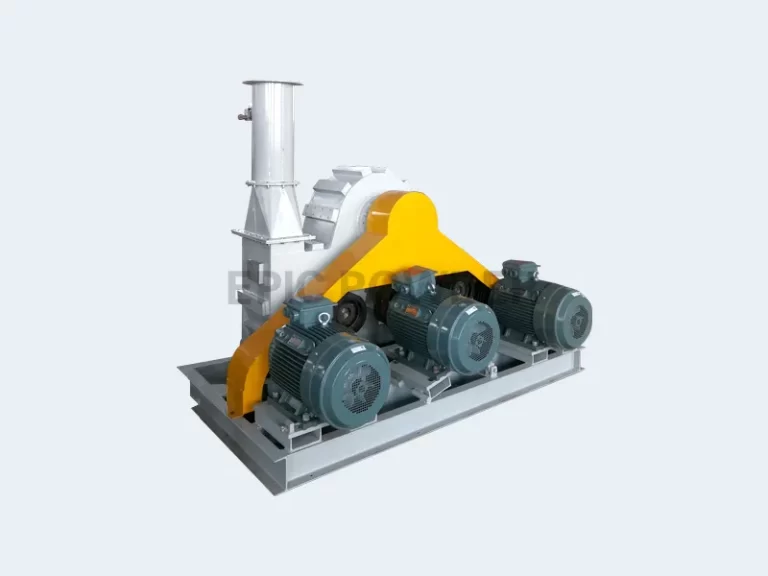
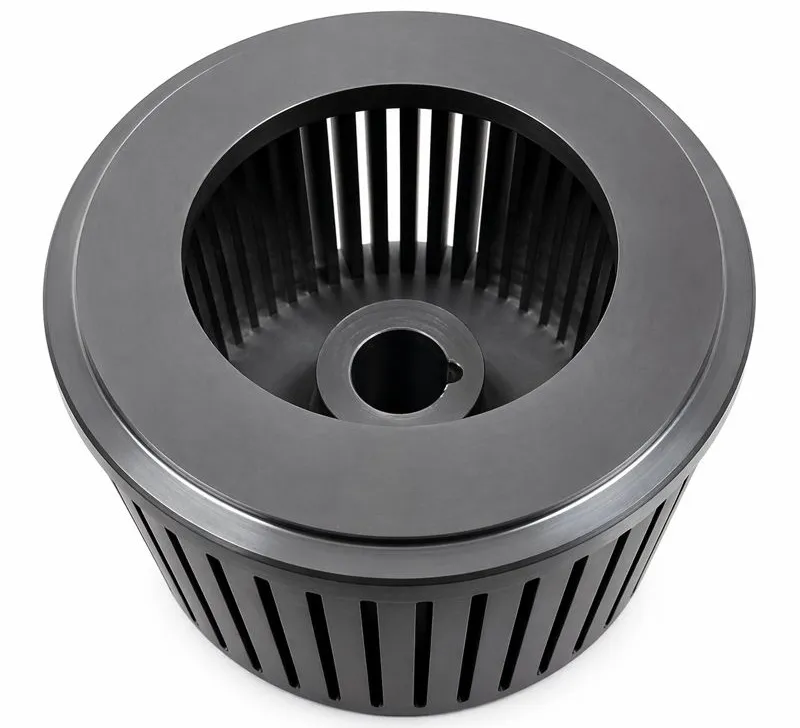
Воздушная классификационная мельница (ACM) — это высокоскоростная механическая ударная мельница, состоящая из высокоскоростного вращающегося ротора (молотков, лопастей или штифтов) и футеровки статора.
- Механизм: Материал поступает в камеру измельчения через систему подачи и подвергается интенсивному ударному воздействию, сдвигу и трению от высокоскоростного ротора. Измельченный материал потоком воздуха поступает во встроенное классификационное колесо. Отборный мелкодисперсный порошок проходит через колесо, а крупные частицы возвращаются в зону измельчения для дальнейшего измельчения.
- Ключевая особенность: Интегрированные функции измельчения и классификации в одной компактной системе.
2. Струйная мельница (струйная мельница с псевдоожиженным слоем)
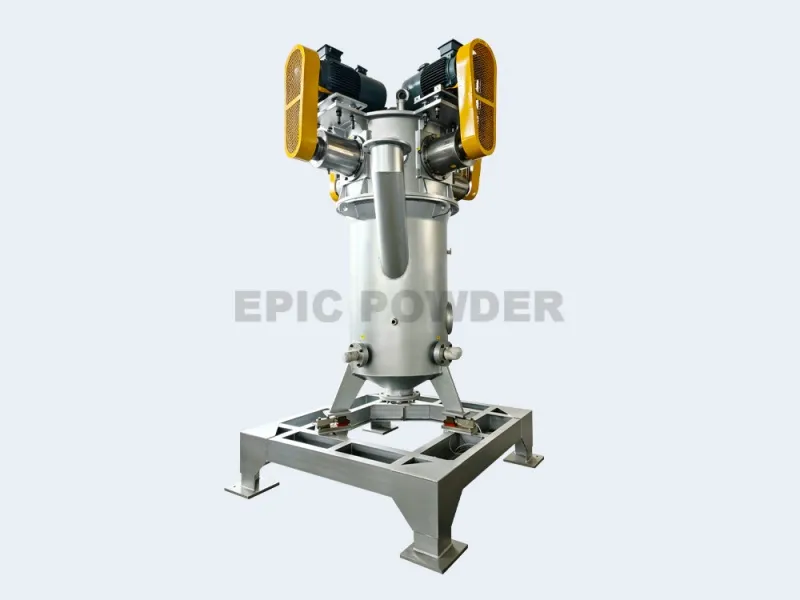
В мельнице Jet Mill в качестве рабочей среды используется высокоскоростной сжатый воздух (или инертный газ), обеспечивающий сверхтонкое измельчение за счет “столкновения материала с материалом”.
- Механизм: Сжатый газ ускоряется через специально расположенные сопла Лаваля до сверхзвуковых потоков (достигающих скорости 300–500 м/с). Частицы материала сталкиваются, трутся и сдвигаются друг о друга в местах пересечения этих струй. Поскольку процесс не зависит от механического воздействия, материал, по сути, “самоизмельчается” в воздухе.
- Ключевая особенность: Низкотемпературное измельчение без перегрева и с чрезвычайно высокой чистотой продукта.
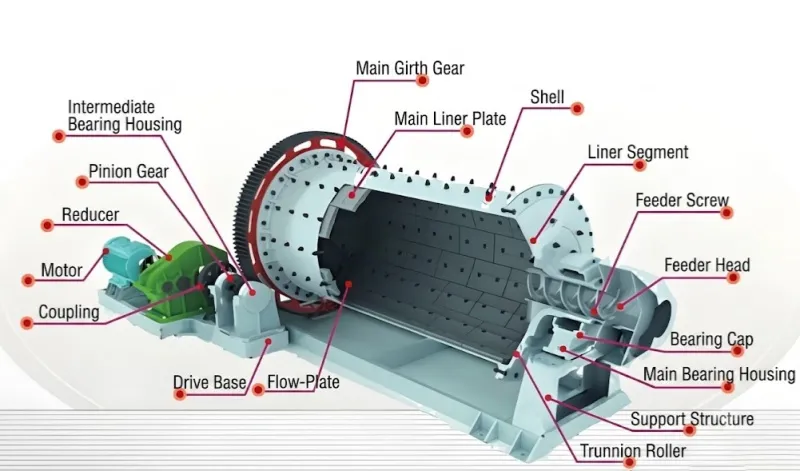
3. Линия по классификации продукции с помощью шаровой мельницы
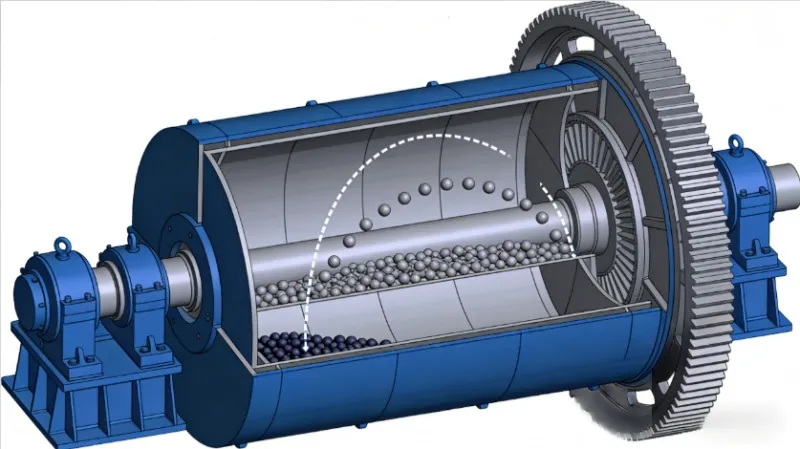
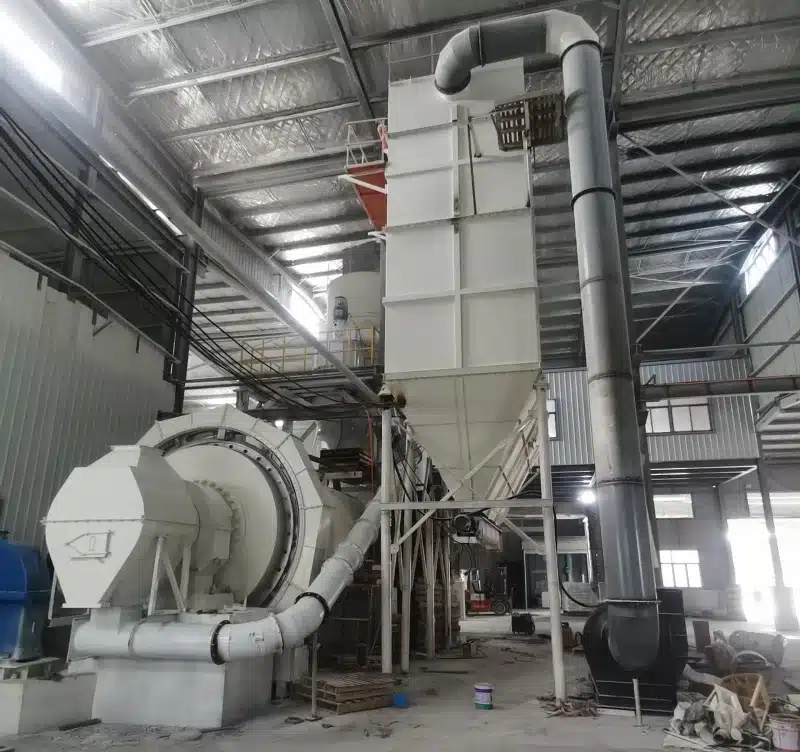
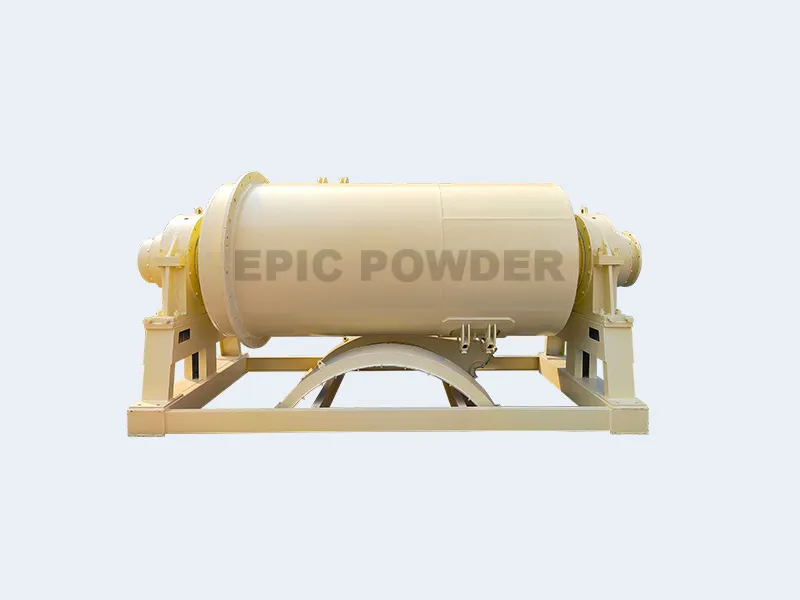
Шаровая мельница — это проверенная временем и очень надежная измельчительная мельница, обычно используемая в замкнутой системе с горизонтальным или вертикальным воздушным классификатором.
- Механизм: Внутри вращающегося цилиндра измельчающие элементы (стальные шарики, керамические шарики или гранулы оксида алюминия) поднимаются, а затем опускаются. Материал измельчается и перемалывается за счет ударов и истирания между элементами.
- Ключевая особенность: Огромная производительность одной машины, способной к длительной непрерывной работе с высокостабильным распределением частиц по размерам.
II. Сравнение основных критериев отбора
Для принятия обоснованного решения мы оцениваем эти системы на основе пяти ключевых показателей:
1. Целевая тонкость помола
- Дымовая мельница: Преобладает диапазон D50: 1 ~ 10 мкм. Легко достигает субмикронных уровней. Для изделий, требующих D97 в диапазоне 3 ~ 5 мкм, струйная мельница является оптимальным выбором.
- Воздушный классификационный станок (ВКС): Обычно подходит для частиц D97 размером от 10 до 150 мкм. Хотя некоторые высокопроизводительные механические мельницы могут достигать D97: 8 мкм, при этом значительно возрастает энергопотребление и износ.
- Линия шаровых мельниц: Превосходные характеристики при D97: 5 ~ 45 мкм. Благодаря использованию многоступенчатых классификаторов, соединенных последовательно, можно получать высококачественные промышленные минералы с очень узким распределением частиц по размерам.
2. Твердость материала
- Твердость по шкале Мооса < 3,5 (мягкие материалы): Например, тальк, каолин, графит, карбонат кальция, продукты питания и лекарства. АКМ Здесь предлагается лучшее соотношение цены и качества.
- Твердость по шкале Мооса 3,5–7 (материалы средней/твердой твердости): Например, кварц, полевой шпат, циркониевый песок и мелкозернистая керамика. Эти материалы обладают высокой абразивностью. Для измельчения можно использовать струйную мельницу (с защитной футеровкой) или другую подобную мельницу. Линия шаровой мельницы (с футеровкой из оксида алюминия) — более подходящий вариант.
- Твердость по шкале Мооса > 7 (чрезвычайно твердые материалы): Предпочтительными вариантами являются струйные мельницы или специально сконфигурированные шаровые мельницы.
3. Контроль чистоты и температуры
- Термочувствительные материалы: Например, фармацевтические полуфабрикаты, некоторые пищевые ингредиенты (например, матча) и пестициды. Реактивная мельница В ней используется эффект Джоуля-Томсона (охлаждение при расширении газа), поддерживающий постоянную температуру в камере, что делает ее единственным надежным вариантом для термочувствительных товаров.
- Материалы высокой чистоты: Например, катодные/анодные материалы для литиевых батарей и порошки электронного качества. Реактивная мельница Это идеальный вариант, поскольку он не имеет механического контакта и легко может быть покрыт керамическим покрытием (из оксида алюминия, карбида кремния или полиуретана) для предотвращения загрязнения металлом.
- Общие промышленные минералы: Для таких продуктов, как целлюлоза GCC бумажного качества, требования к чистоте могут быть обеспечены с помощью линий шаровых мельниц или композитных материалов с неметаллической футеровкой.
4. Масштабы и производственные мощности
- Малый масштаб/Лаборатория: Струйные мельницы и небольшие установки для обработки композитных материалов обладают высокой гибкостью.
- Средний и крупный масштаб: Как правило, производительность устройств на основе антимикробных композитов составляет от нескольких сотен килограммов до нескольких тонн в час.
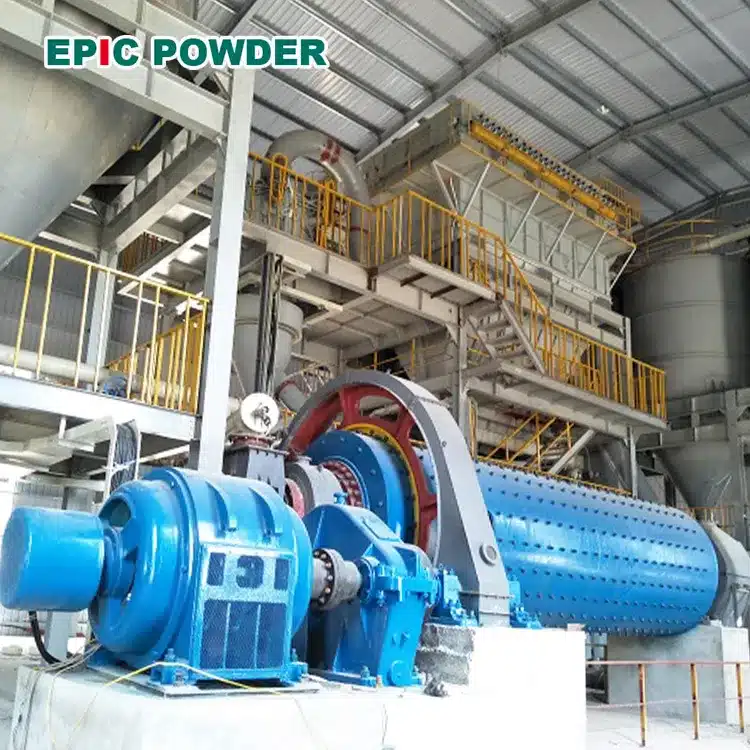
- Сверхкрупномасштабное производство (годовой объем производства > 10 000 тонн): The Линия классификации шаровых мельниц Обладает неоспоримым преимуществом. Шаровые мельницы могут быть значительно масштабированы и являются предпочтительным выбором для крупномасштабных горнодобывающих предприятий благодаря своей исключительной стабильности.
5. Энергопотребление и экономия
- Удельное энергопотребление: Линия шаровых мельниц < ACM < Струйная мельница.
- Струйные мельницы Они обладают самым высоким энергопотреблением, поскольку эффективность преобразования энергии (электричество в давление воздуха, а затем в кинетическую энергию) относительно низка.
- Шаровые мельницы имеют более низкие эксплуатационные расходы, в основном состоящие из затрат на электроэнергию и износ абразивных материалов.
III. Рекомендации для конкретных отраслей промышленности
1. Промышленность материалов для литий-ионных аккумуляторов
Катодные материалы (LFP, NCM) и анодные материалы (искусственный графит, твердый углерод) чрезвычайно чувствительны к металлические примеси (Fe, Cu, Zn и др.) и требуют однородного размера частиц.
- Рекомендация: Jet Mill (полная керамическая защита). Он обеспечивает превосходную деагломерацию, гарантируя при этом минимальное поглощение металла. Для некоторых модифицированных графитов это работает. Серия MJW ACM Также используются конструкции со специальными противоизносными элементами.

2. Пищевая и фармацевтическая промышленность
В качестве примеров можно привести матчу, эритритол и различные растительные белки.
- Рекомендация:
- Матча: предпочтение отдается ACM, поскольку контроль температуры позволяет сохранить яркий зеленый цвет.
- Растительные белки (соя, горох): ACM часто используется для фракционирования в сухом виде с целью увеличения выхода белка при сохранении питательных веществ.
- Термочувствительные лекарственные препараты: станок Jet Mill — это стандарт.
3. Промышленные минералы (гранулоциты, кварц, тальк и др.)
- Рекомендация:
- При годовом объеме производства в десятки тысяч тонн (например, наполнителя для бумаги): Шаровая мельница + вертикальный многороторный классификатор.
- Для частиц малого размера и узкого распределения (например, пластиковые наполнители): Струйные мельницы обеспечивают более подходящую основу для модификации поверхности.
4. Опасные материалы (сера, взрывчатые порошки)
- Рекомендация: Необходимо использовать Система защиты инертными газами (азот/CO2). Оба Струйные мельницы и ACMs Может быть сконфигурирована как система с замкнутым контуром для обеспечения взрывозащиты.
IV. Матрица принятия решений по отбору
| Особенность | Воздушная классификационная мельница (MJW) | Реактивная мельница | Шаровая мельница |
| Подходящие материалы | Мягкая/средняя твердость, общая чувствительность к теплу. | Твердый, высокой чистоты, очень термочувствительный. | Средняя/высокая твердость, крупномасштабное производство |
| Тонкость помола (D97) | 8 ~ 150 мкм | 2 ~ 45 мкм | 5 ~ 74 мкм |
| PSD | Узкий | Чрезвычайно узкий | Однородный и стабильный |
| Риск загрязнения | Средний размер (требуется подкладка) | Чрезвычайно низкий | Низкий уровень (керамический наполнитель/облицовка) |
| Потребление энергии | Середина | Высокий | Низкий |
| Емкость единицы | 0,2 – 15 т/ч | 0,3 – 10 т/ч | 1–20 т/ч |
| Инвестиционные затраты | Низкий | Середина | Высокий (требующий интенсивной инфраструктуры) |
V. Заключение
Не существует “лучшего” оборудования, есть только “наиболее подходящее” для ваших конкретных потребностей.
- Для исключительной тонкости помола и чистоты., Особенно для обработки дорогостоящих или термочувствительных материалов выбирайте струйную мельницу.
- Для оптимального соотношения цены и качества, а также гибкости. Благодаря возможности работы с материалами низкой и средней твердости, пневматическая классификационная мельница является универсальным решением для промышленного производства.
- Для масштабируемости и стабильности При переработке твердых промышленных минералов шаровая мельница-классификатор является лучшей долгосрочной инвестицией.
Прежде чем принять окончательное решение, Эпический порошок Настоятельно рекомендую лабораторные исследования. Сравнивая фактические кривые распределения частиц по размерам (PSD), изображения, полученные с помощью сканирующего электронного микроскопа (SEM), и данные о стоимости тонны, вы можете гарантировать максимальную отдачу от своих инвестиций.

“Спасибо за прочтение. Надеюсь, моя статья вам поможет. Пожалуйста, оставьте комментарий ниже. Вы также можете связаться со службой поддержки Zelda Online по любым дополнительным вопросам”.”
— Опубликовано Эмили Чен