Muitos engenheiros e empreiteiros perguntam: qual método de tratamento melhora mais as cinzas volantes — a modificação a seco ou a ativação química? Ambos os métodos visam aumentar a reatividade das cinzas volantes e melhorar o desempenho do concreto, mas o fazem de maneiras diferentes. Compreender o que cada processo envolve, suas vantagens e limitações ajuda a fazer a melhor escolha para projetos específicos.
Modificação a seco de cinzas volantes versus ativação química: o significado de cada método
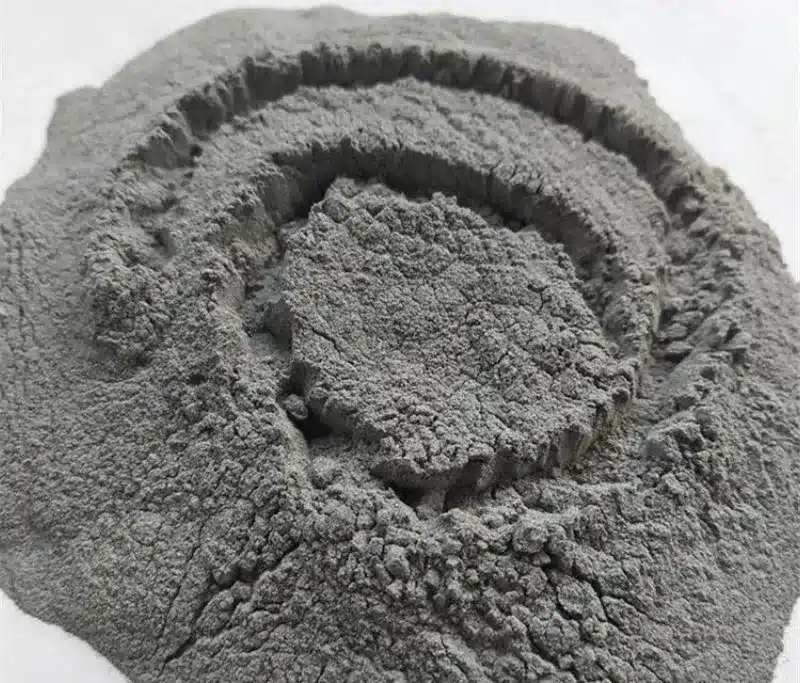
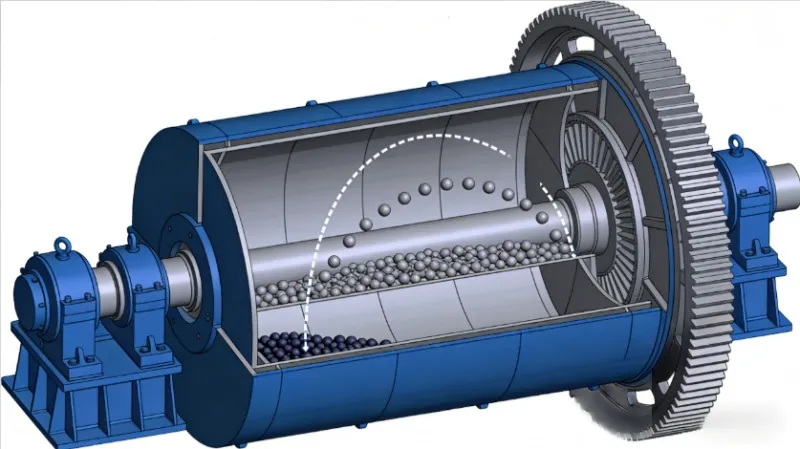
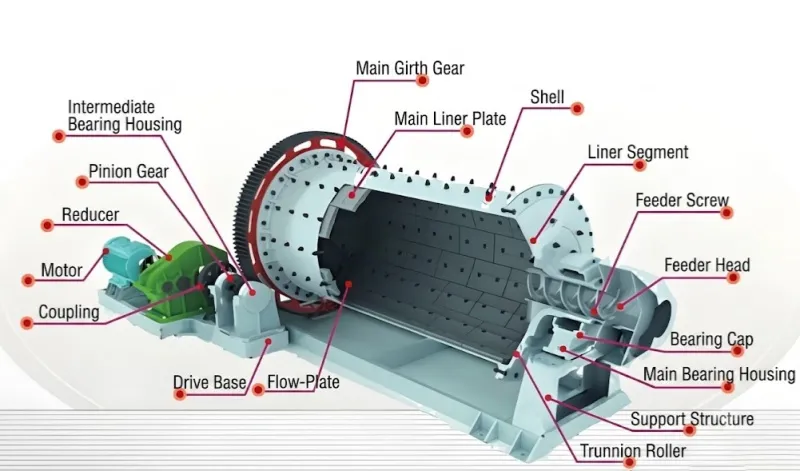
A modificação a seco envolve o processamento físico da cinza volante sem a adição de produtos químicos. Frequentemente, inclui técnicas como moagem em moinho de bolas e classificação por ar para refinar o tamanho das partículas, aumentar a área superficial e melhorar a atividade pozolânica. O objetivo é tornar a cinza volante mais reativa, alterando suas propriedades físicas — imagine como se as partículas estivessem recebendo um leve "exercício".“
A ativação química, por outro lado, introduz agentes químicos — como ativadores alcalinos ou aditivos — que reagem quimicamente com a cinza volante. Isso altera sua composição química, tornando-a mais reativa em nível molecular, aumentando a resistência inicial e a durabilidade a longo prazo do concreto. É como dar à cinza volante um "impulso" químico para desbloquear um potencial de desempenho oculto.
Por que as pessoas comparam a modificação a seco com a ativação química?
A comparação surge do objetivo comum: melhorar o desempenho das cinzas volantes no concreto. Como material cimentício suplementar, a cinza volante desempenha um papel fundamental na redução de custos, no aumento da sustentabilidade e na melhoria da durabilidade. Mas nem toda cinza volante reage da mesma forma.
- Algumas fontes apresentam baixa reatividade, resultando em um ganho de força mais lento.
- Outros podem se beneficiar de tratamento físico ou químico para atender às demandas específicas do projeto.
A escolha do método mais adequado depende dos requisitos do projeto, dos custos de processamento, da segurança e dos fatores ambientais. Ambas as técnicas também variam em complexidade, necessidades de equipamentos e potenciais impactos nas propriedades do concreto.
Principais objetivos de desempenho do tratamento de cinzas volantes
Ao escolher entre modificação a seco e ativação química, os principais objetivos geralmente incluem:
- Atividade pozolânica aprimorada e reatividade
- Melhoria da força em idade precoce
- Melhor durabilidade a longo prazo
- funcionalidade otimizada e facilidade de processo
- Relação custo-benefício e sustentabilidade ambiental
Conhecendo esses objetivos, fica mais fácil avaliar qual método de tratamento pode proporcionar os resultados desejados para aplicações específicas.
Modificação a seco de cinzas volantes: como funciona e seu impacto
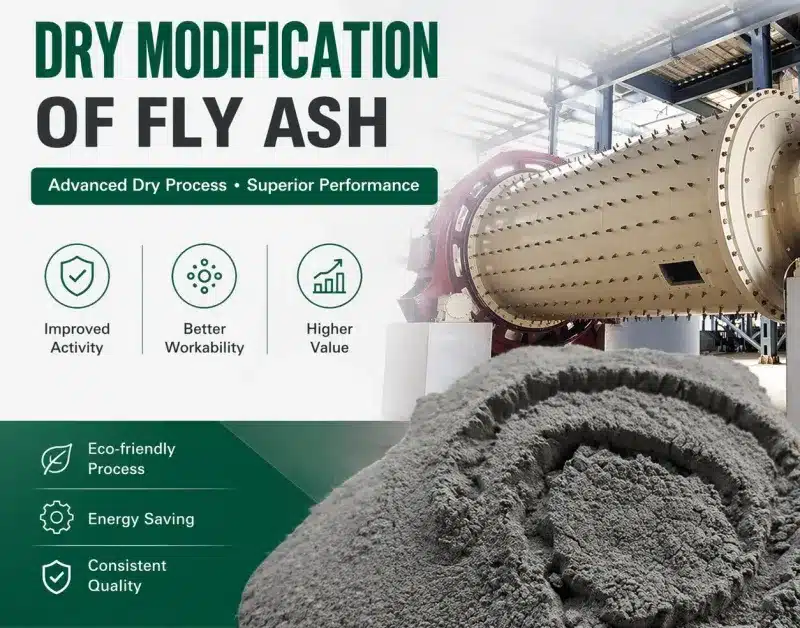
A modificação a seco de cinzas volantes envolve a alteração física do material sem a adição de produtos químicos, visando melhorar sua reatividade e desempenho geral como material cimentício suplementar. O processo normalmente inclui tratamentos mecânicos como moagem, trituração ou classificação. Esses métodos aumentam a área superficial e ajustam o tamanho das partículas, tornando as cinzas volantes mais reativas quando misturadas ao cimento.
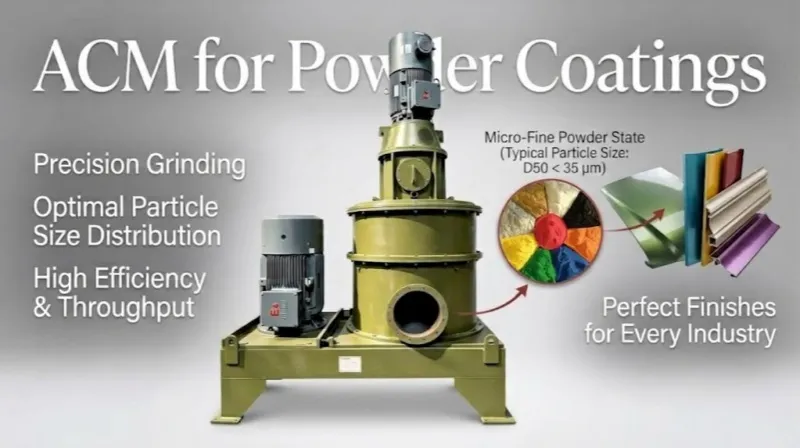
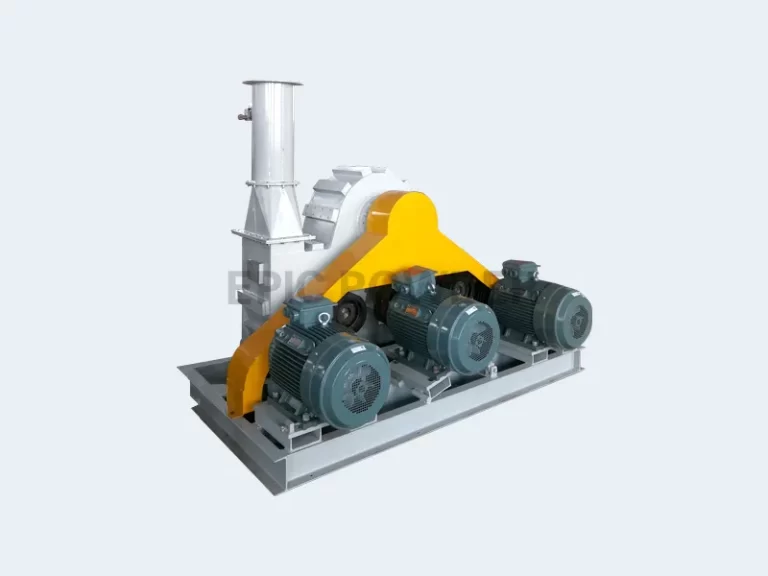
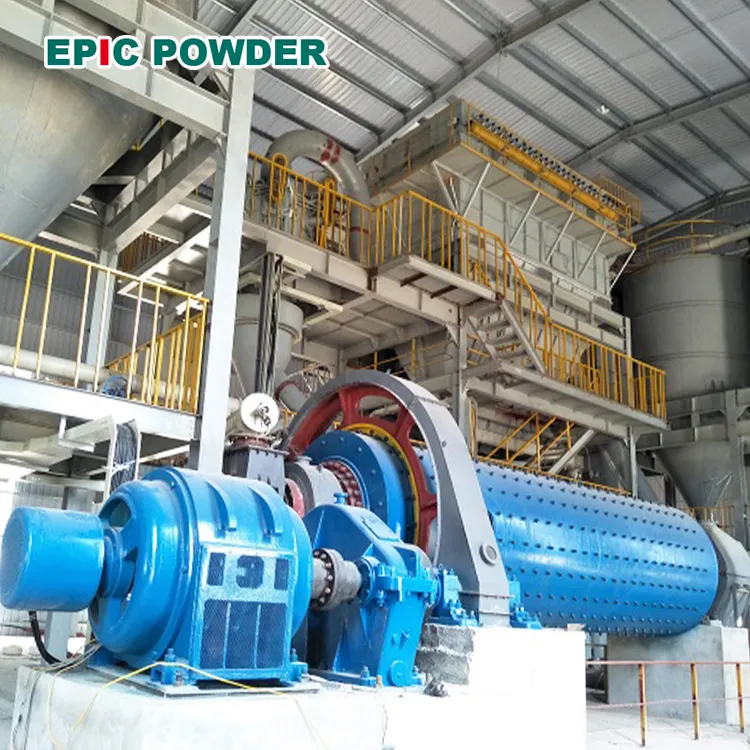
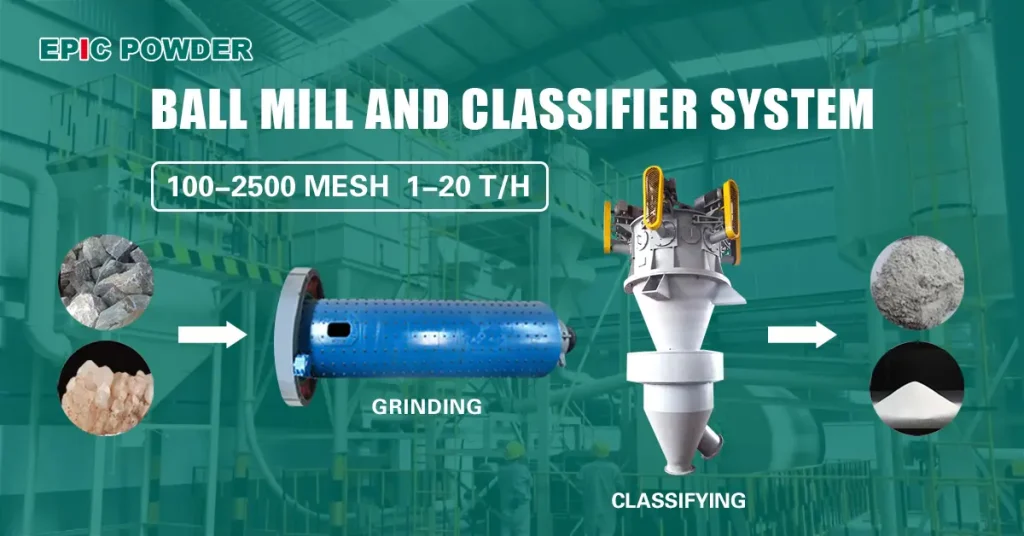
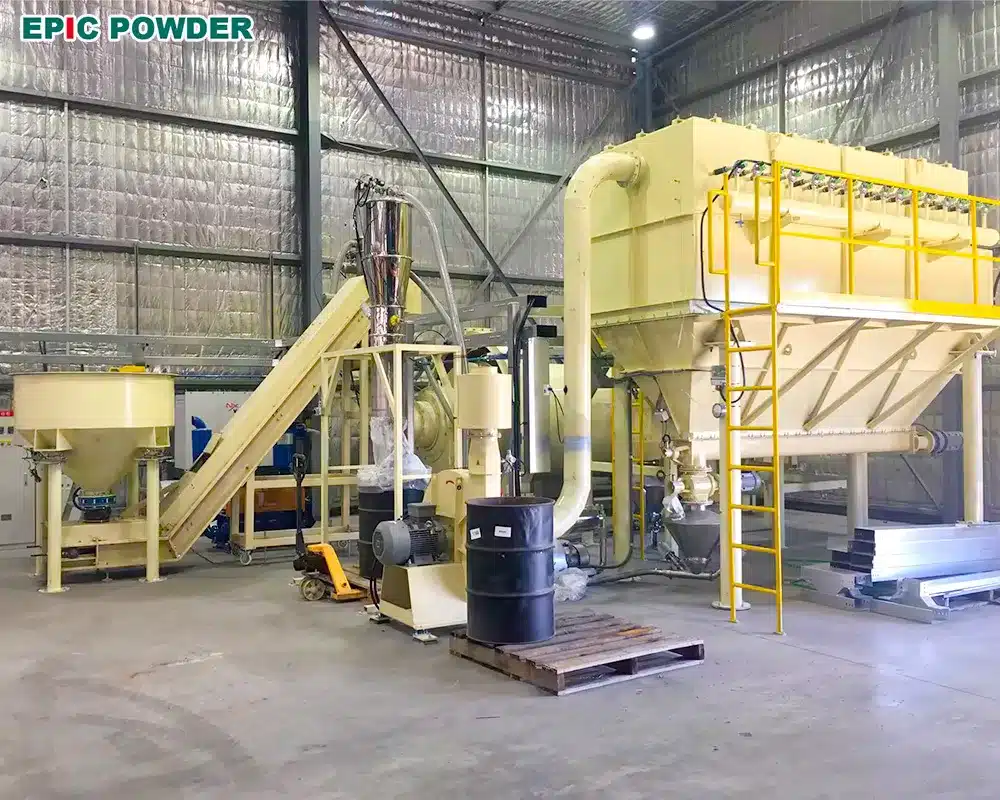
Os métodos comuns de processamento a seco incluem moagem de bolas, classificação por ar e moagem por rolos. Por exemplo, o uso de um moinho de bolas combinado com um classificador de ar pode produzir partículas mais finas com uma distribuição de tamanho mais uniforme, o que é fundamental para aumentar a atividade pozolânica da cinza volante. Essas melhorias no tamanho das partículas e na área superficial se traduzem diretamente em melhor reatividade e compatibilidade com o cimento.
Quando a modificação a seco é feita corretamente, pode aumentar significativamente a área superficial e reduzir o tamanho das partículas, resultando em melhor hidratação e desenvolvimento da resistência do concreto. Também aumenta a atividade pozolânica, tornando as partículas de cinza volante mais acessíveis às reações químicas durante a hidratação do cimento. No entanto, a modificação a seco tem limitações — a moagem excessiva pode fazer com que as partículas fiquem muito finas, o que pode afetar negativamente a trabalhabilidade e aumentar a demanda de água. Além disso, o custo energético da moagem e classificação pode ser um fator a ser considerado, especialmente se grandes quantidades de cinza volante estiverem envolvidas.
Ativação química de cinzas volantes
A ativação química da cinza volante envolve o tratamento com produtos químicos ou aditivos específicos para aumentar sua reatividade e desempenho como material cimentício suplementar. Ao contrário da modificação a seco, que altera principalmente as propriedades físicas, a ativação química afeta diretamente a composição química, tornando a cinza volante mais reativa na matriz de cimento.
Como funciona a ativação química
O processo normalmente utiliza ativadores alcalinos, como hidróxido de sódio ou silicato de sódio, para aumentar a atividade pozolânica da cinza volante. Esses produtos químicos alteram a composição química da cinza volante, promovendo a formação de compostos cimentícios durante a hidratação. A alcalinidade ajuda a dissolver as partículas de sílica e alumina, tornando-as mais disponíveis para o desenvolvimento da resistência inicial.
Ativadores e aditivos comuns
Os ativadores mais populares incluem:
- Hidróxido de sódio (NaOH)
- Silicato de sódio
- Hidróxido de cálcio (cal)
- Outras soluções alcalinas
Aditivos como óxidos refratários ou estabilizantes também podem ser usados para equilibrar a reação e melhorar a durabilidade. Esses produtos químicos não apenas aumentam a reatividade, mas também podem modificar o tempo de presa e a taxa de hidratação.
Como a ativação química altera a química das cinzas volantes.
Ao introduzir soluções alcalinas, a composição química da cinza volante se altera, passando de uma pozolana relativamente inerte para uma mais reativa. Esse processo envolve:
- Dissolução de sílica e alumina
- Acelerar a formação de hidratos de silicato de cálcio (CSH)
- Aprimorando as reações pozolânicas globais
Essa alteração resulta em maior resistência, hidratação mais rápida e, frequentemente, maior durabilidade no concreto, especialmente em misturas de alto desempenho. Você pode aprender mais sobre os efeitos dos ativadores químicos nas propriedades minerais em guias de processamento relacionados, como [inserir exemplos aqui]. linhas de produção de pó de quartzo.
Efeitos na força, hidratação e durabilidade
A ativação química aumenta significativamente a resistência inicial, acelerando as reações de hidratação. Também tende a melhorar a durabilidade a longo prazo, produzindo estruturas cimentícias mais densas e resilientes. A atividade pozolânica aprimorada da cinza volante modificada ajuda a reduzir a permeabilidade e a aumentar a resistência a ataques químicos, como a penetração de sulfatos ou cloretos.
Limitações e riscos da ativação química
Apesar dos seus benefícios, a ativação química apresenta algumas desvantagens:
- Custos de processamento mais elevados devido aos insumos químicos e ao manuseio.
- Preocupações ambientais relativas ao descarte de produtos químicos e emissões
- Possíveis problemas de estabilidade se não forem cuidadosamente controlados.
- Aumento da complexidade no projeto de mistura e no controle de qualidade.
O tratamento excessivo ou o uso de produtos químicos inadequados podem levar a efeitos negativos, como redução da trabalhabilidade, atraso na pega ou fissuras de retração. Portanto, compreender o equilíbrio entre o melhor desempenho e os riscos potenciais é essencial ao considerar a ativação química.
Modificação a seco versus ativação química
| Dimensão de comparação | Modificação a seco | Ativação Química |
| Funcionalidade e Simplicidade do Processo | Processo simples com alto grau de mecanização; não requer o manuseio de produtos químicos perigosos. | Processo complexo que envolve manuseio de produtos químicos, dosagem precisa e protocolos de segurança rigorosos. |
| Requisitos de custo e equipamento | Utiliza maquinário tradicional, como moinhos de bolas; apresenta alta relação custo-benefício e é fácil de ampliar. | Envolve aquisição de produtos químicos, armazenamento e sistemas de manuseio especializados, o que resulta em custos mais elevados. |
| Melhoria da reatividade | Aprimorado por meios físicos (aumento da área de superfície); proporciona resultados estáveis e robustos. | Aprimorado por meios químicos (alteração molecular); os resultados são mais significativos e pronunciados. |
| Desenvolvimento de força | Proporciona um aumento constante da resistência, adequado para a maioria das aplicações gerais. | Ganho rápido de força em idade precoce, mas requer controle rigoroso para evitar danos em estágios avançados. |
| Durabilidade | O desempenho normalmente permanece estável e consistente ao longo do tempo. | Pode produzir uma estrutura mais densa, mas acarreta riscos como a Reação Álcali-Sílica (RAS). |
| Impacto ambiental | Ecológico e sustentável, com geração mínima de resíduos. | Apresenta as pressões ambientais relacionadas a derramamentos de produtos químicos, tratamento e emissões. |
Onde a modificação a seco apresenta bom desempenho
A modificação a seco de cinzas volantes é mais adequada em situações onde custo, simplicidade e armazenamento são fatores críticos. É ideal para aplicações de concreto de baixo custo, onde o orçamento é limitado, mas ainda se deseja um desempenho satisfatório. Para projetos que exigem um processo descomplicado, sem o manuseio complexo de produtos químicos, a modificação a seco oferece uma alternativa mais simples em comparação com a ativação química.
Este método também se destaca em cenários com melhorias moderadas na reatividade das cinzas volantes — o suficiente para aumentar a atividade pozolânica sem a necessidade de reformular completamente a composição da mistura. Se o controle das condições de manuseio e armazenamento for essencial, a modificação a seco é uma boa opção, pois é menos sensível a problemas de estabilidade química do que a ativação química.
Resumindo, quando se busca uma maneira econômica de melhorar o desempenho das cinzas volantes no concreto padrão, especialmente quando a simplicidade e a praticidade são fundamentais, a modificação a seco costuma ser a opção mais inteligente.
Onde a ativação química apresenta bons resultados
A ativação química de cinzas volantes se destaca especialmente quando se trata de cinzas volantes de baixa reatividade. Nesses casos, as cinzas volantes comuns podem não fornecer atividade pozolânica suficiente para aplicações exigentes em concreto, portanto, a ativação química introduz aditivos ou ativadores específicos para aumentar a reatividade. Isso a torna ideal para sistemas cimentícios de alto desempenho que requerem maior resistência e durabilidade desde o início.
Quando se necessita de um desempenho superior em idades iniciais, a ativação química pode acelerar a hidratação e o ganho de resistência, permitindo que os projetos avancem mais rapidamente — algo especialmente crítico em cronogramas de construção apertados. Além disso, se a flexibilidade no traço do concreto for uma prioridade — como o ajuste para diferentes propriedades ou a integração com outros materiais cimentícios suplementares — a ativação química oferece maior controle sobre o processo.
Em concreto armado, a ativação química é mais eficaz quando se busca maior reatividade, melhor resistência inicial e características de desempenho personalizadas que a modificação a seco por si só pode não alcançar plenamente. Para misturas de concreto mais avançadas ou de alta exigência, a incorporação de técnicas de ativação química garante que a cinza volante contribua efetivamente para o sistema como um todo.
Fatores-chave que determinam qual método é melhor
A escolha entre a modificação a seco de cinzas volantes e a ativação química depende de vários fatores cruciais. Em primeiro lugar, a origem e a qualidade das cinzas volantes são muito importantes. Cinzas volantes de baixa reatividade podem se beneficiar mais da ativação química para aumentar a atividade pozolânica, enquanto cinzas de maior qualidade podem responder bem ao processamento a seco.
Em seguida, considere a aplicação pretendida e as necessidades de desempenho. Por exemplo, se precisar de resistência inicial ou maior durabilidade, a ativação química geralmente proporciona resultados mais rápidos e eficazes. Por outro lado, para concreto padrão com requisitos de reatividade moderados, a modificação a seco pode ser suficiente.
O consumo de energia e o custo de processamento também são fatores-chave. Métodos de modificação a seco, como moagem de bolas combinada com classificação por ar, podem ser mais econômicos e eficientes em termos energéticos, especialmente em larga escala. A ativação química pode envolver aditivos caros e manuseio mais complexo, aumentando os custos totais.
A disponibilidade de produtos químicos e equipamentos também influencia sua escolha. Alguns projetos podem não ter acesso a ativadores químicos específicos ou sistemas de mistura avançados, tornando a modificação a seco uma opção mais prática.
Por fim, as preocupações ambientais e de segurança também desempenham um papel importante. A ativação química pode introduzir materiais perigosos ou exigir manuseio especial, enquanto as técnicas de modificação a seco tendem a ser mais ecológicas, especialmente se a escalabilidade e a sustentabilidade forem prioridades.
Em última análise, o melhor método depende do equilíbrio entre esses fatores e seus objetivos de longo prazo em relação a desempenho concreto, custo-benefício e sustentabilidade ambiental.
Guia Prático de Tomada de Decisão
A decisão entre a modificação a seco das cinzas volantes ou a ativação química depende das necessidades e restrições específicas do seu projeto.
Quando a modificação a seco pode ser suficiente
A modificação a seco costuma ser adequada para aplicações com restrições de custo ou projetos em que a simplicidade e a facilidade de manuseio são prioridades. Por exemplo, em formulações de concreto de baixo custo ou quando melhorias moderadas na reatividade da cinza volante e na atividade pozolânica são suficientes, métodos de processamento a seco — como moagem em moinho de bolas combinada com classificação por ar — podem oferecer bons resultados sem complicar o processo. Essa técnica oferece uma maneira mais direta e menos dispendiosa em termos de recursos para aumentar o tamanho das partículas e a área superficial, resultando em melhor desempenho do cimento sem a necessidade de tratamentos químicos extensivos.
Quando a ativação química é a melhor opção
Se o objetivo é obter maior reatividade, resistência inicial ou melhor durabilidade para sistemas cimentícios de alto desempenho, a ativação química provavelmente é a opção mais inteligente. É ideal para cinzas volantes de baixa reatividade que necessitam de melhorias significativas na taxa de hidratação e no desenvolvimento de resistência. Esse método permite ajustes precisos com ativadores, como soluções alcalinas, aumentando o desempenho e a durabilidade a longo prazo. Lembre-se de que envolve custos adicionais e considerações de segurança, mas em cenários de alta demanda, os benefícios geralmente superam os desafios.
Como equilibrar custo, desempenho e sustentabilidade.
A chave é avaliar cuidadosamente as prioridades do seu projeto:
- Em termos de custo-benefício e respeito ao meio ambiente, a modificação a seco oferece um bom equilíbrio, com mínimo desperdício de produtos químicos e menor consumo de energia.
- Quando as exigências de desempenho são elevadas, especialmente em projetos de construção de grande escala ou especializados, investir na ativação química pode proporcionar a resistência e a durabilidade necessárias, reduzindo potencialmente os custos de manutenção a longo prazo.
- Considere a disponibilidade de equipamentos, produtos químicos e o cronograma desejado — os métodos a seco tendem a ser mais rápidos e exigem menos infraestrutura especializada, enquanto a ativação química pode exigir mais preparação, mas pode melhorar significativamente o desempenho do concreto.
Equilibrar esses fatores é crucial para selecionar o método de tratamento de cinzas volantes mais adequado, garantindo que seu projeto esteja alinhado tanto com as metas de sustentabilidade quanto com as expectativas de desempenho.
Conceitos errôneos comuns
Um equívoco comum é que mais tratamento—seja por meio de modificação a seco ou ativação química extensiva—o processo levará automaticamente a um melhor desempenho do concreto. Na realidade, o processamento excessivo pode, por vezes, causar aglomeração, alteração superficial excessiva ou reações químicas indesejadas que não beneficiam o produto final. Por exemplo, a modificação a seco excessiva por meio de conformação ou moagem de partículas pode aumentar a área superficial, mas também pode dificultar o manuseio sem ganho significativo em atividade pozolânica.
Outro equívoco comum é que uma maior reatividade sempre resulta em maior resistência ou durabilidade. Embora o aumento da reatividade da cinza volante seja geralmente positivo, isso não garante um concreto melhor em todos os casos. O desenvolvimento da resistência depende muito da composição da mistura, das condições de cura e das necessidades específicas da aplicação. O simples fato de a ativação química aumentar a resistência inicial não significa que ela melhorará a durabilidade a longo prazo, especialmente se não for gerenciada adequadamente.
Por fim, muitos presumem que o melhor método de tratamento seja universal. A verdade é que a abordagem ideal varia dependendo da aplicação, da qualidade da cinza volante e dos objetivos do projeto. Para projetos que priorizam a redução de custos e a facilidade de manuseio, a modificação a seco pode ser suficiente. Por outro lado, aplicações de alto desempenho ou especializadas geralmente exigem ativação química para atender a padrões rigorosos de resistência e durabilidade. Adaptar o método à aplicação específica garante eficiência e desempenho.
Conclusão final: Como escolher o método certo de tratamento de cinzas volantes
A comparação entre a modificação a seco e a ativação química de cinzas volantes se resume, na verdade, a entender as necessidades específicas e os objetivos do seu projeto. A modificação a seco, que envolve processos como a conformação de partículas e o aumento da área superficial, é geralmente mais simples e econômica. É ideal para situações em que melhorias moderadas na reatividade das cinzas volantes são suficientes, especialmente em aplicações de concreto de baixo custo ou onde a facilidade de manuseio e logística são importantes.
Por outro lado, a ativação química — utilizando ativadores alcalinos ou outros agentes químicos — pode aumentar significativamente a atividade pozolânica e a resistência inicial. Essa opção é mais adequada para sistemas cimentícios de alto desempenho, principalmente quando se necessita de maior durabilidade, tempos de pega mais rápidos ou taxas de hidratação aprimoradas. No entanto, acarreta custos adicionais, necessidade de equipamentos e algumas preocupações ambientais.
A chave para escolher o método certo é avaliar a sua fonte de cinzas volantes, o desempenho desejado, o orçamento e os objetivos de sustentabilidade. Às vezes, a modificação a seco oferece uma melhoria prática e econômica; outras vezes, a ativação química justifica o investimento maior pelos benefícios a longo prazo.
Em última análise, não existe uma solução única que sirva para todos os casos. A melhor escolha depende do equilíbrio entre custo, desempenho e impacto ambiental, tomando decisões personalizadas com base nos requisitos específicos do seu projeto.
“Obrigado pela leitura. Espero que meu artigo tenha ajudado. Deixe um comentário abaixo. Você também pode entrar em contato com o suporte online da Zelda para quaisquer outras dúvidas.”
— Publicado por Emily Chen