산업용 코팅, 전자 패키징 및 세라믹 소재 분야에서 배합 최적화는 흔히 수지 또는 바인더를 조정하는 것에서 시작됩니다. 그러나 기능성 충전재를 업그레이드하면 더욱 직접적이고 비용 효율적인 성능 향상을 얻을 수 있습니다. 이 글에서는 유리 분말을 사용하여 비용을 크게 증가시키지 않고 코팅 경도를 향상시키는 방법을 살펴봅니다.
I. 유리 분말이란 무엇인가?
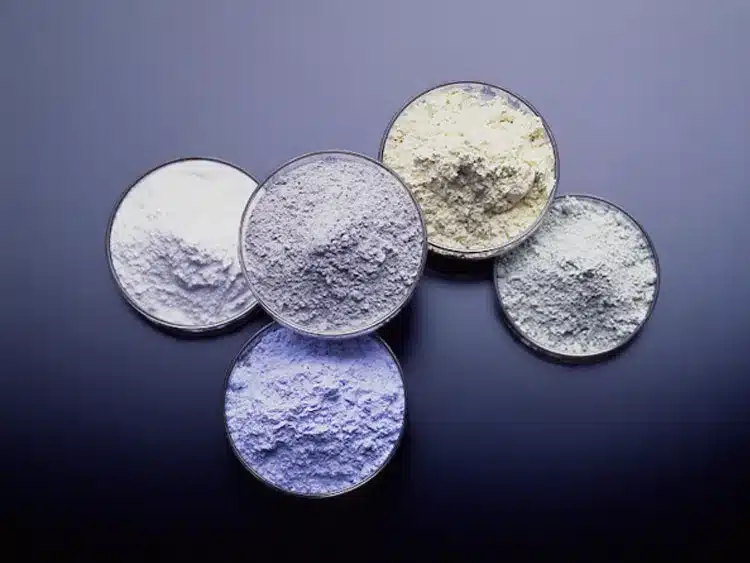
유리 분말은 특정 유리 원료를 고온에서 녹인 후 냉각시켜 만든 미세한 재료입니다., 연마, 그리고 분류. 일반적인 석영이나 실리카 분말과는 달리, 이 제품은 특정 성능 요구 사항에 맞춰 복잡한 화학적 조성을 가지고 있습니다.
아래는 산업용 유리 분말(대략)의 시험 보고서에서 발췌한 일반적인 화학 조성입니다. 3000 메쉬 / 4–6 μm):
| 아니요. | 요소 | 콘텐츠(%) | 아니요. | 요소 | 콘텐츠(%) |
| 1 | 강열감량(700°C) | < 0.05 | 13 | 산화리튬(Li₂O) | 0.07 |
| 2 | 산화알루미늄(Al₂O₃) | 9.30 | 14 | 일산화납(PbO) | < 0.01 |
| 3 | 이산화규소(SiO₂) | 63.49 | 15 | 산화아연(ZnO) | 0.07 |
| 4 | 산화철(III)(Fe₂O₃) | 0.03 | 16 | 산화스트론튬(SrO) | 0.02 |
| 5 | 산화칼슘(CaO) | 17.70 | 17 | 산화망간(II) (MnO) | 0.02 |
| 6 | 산화마그네슘(MgO) | 3.18 | 18 | 산화루비듐(Rb₂O) | 0.06 |
| 7 | 산화칼륨(K₂O) | 2.20 | 19 | 산화세슘(Cs₂O) | < 0.01 |
| 8 | 산화나트륨(Na₂O) | 3.32 | 20 | 산화카드뮴(CdO) | < 0.01 |
| 9 | 이산화티타늄(TiO₂) | 0.01 | 21 | 오산화인(P₂O₅) | 0.38 |
| 10 | 지르코늄(하프늄) 산화물 Zr(Hf)O₂ | 0.04 | 22 | 불소(F) | < 0.05 |
| 11 | 삼산화붕소(B₂O₃) | < 0.05 | 23 | 삼산화황(SO₃) | < 0.05 |
| 12 | 산화바륨(BaO) | < 0.05 | 24 | — | — |
데이터에 따르면 실리콘과 칼슘 함량이 높고 불순물이 거의 없으며 입자 크기가 미세합니다. 이러한 특성은 해당 물질의 기능적 가치를 뒷받침합니다.
II. 유리 분말이 코팅 경도를 높이는 방법
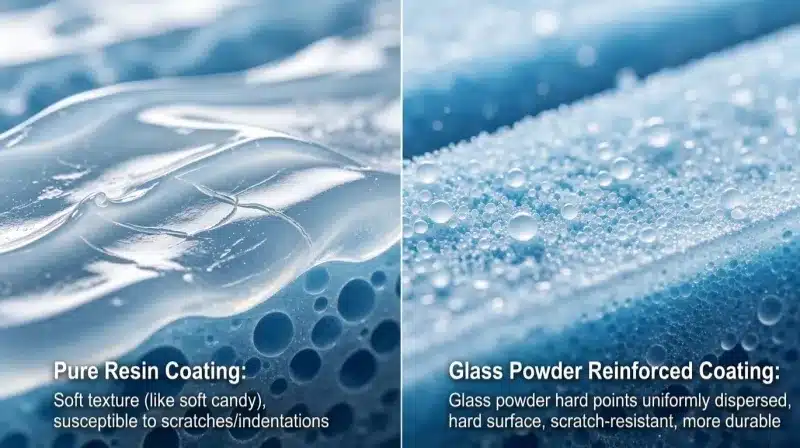
수지는 필름 형성 능력과 접착력을 제공하고, 충전제는 긁힘 및 압력 저항성을 결정합니다. 유리 분말은 모스 경도가 5~6으로, 탄산칼슘(경도 3)과 활석(경도 1~1.5)을 훨씬 능가합니다.
유리 분말이 균일하게 분산되면 수지 매트릭스 내에 미세한 경질 부위가 생성됩니다. 이러한 경질 부위는 세 가지 주요 기능을 수행합니다.
- 긁힘 방지: 코팅 표면을 외부 마모로부터 보호합니다.
- 압력 분포: 기계적 스트레스를 흡수하여 수지 변형을 최소화합니다.
- 균열 억제: 충격 시 균열의 급속한 확산을 방지합니다.
III. 주요 향상 메커니즘
물리적 포장 효과
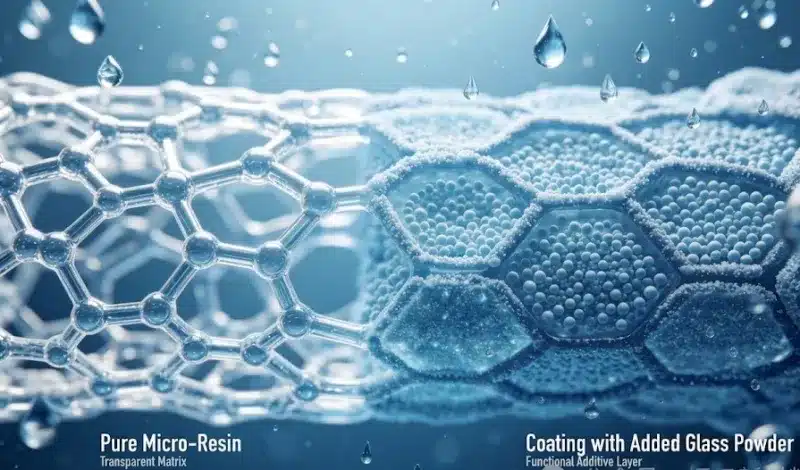
4~6μm 크기의 입자들이 수지 사슬 사이의 미세한 틈을 채워 더욱 조밀한 막을 형성합니다. 밀도가 높을수록 습기와 부식성 물질을 차단하여 내후성을 향상시킵니다.
계면 결합 효과
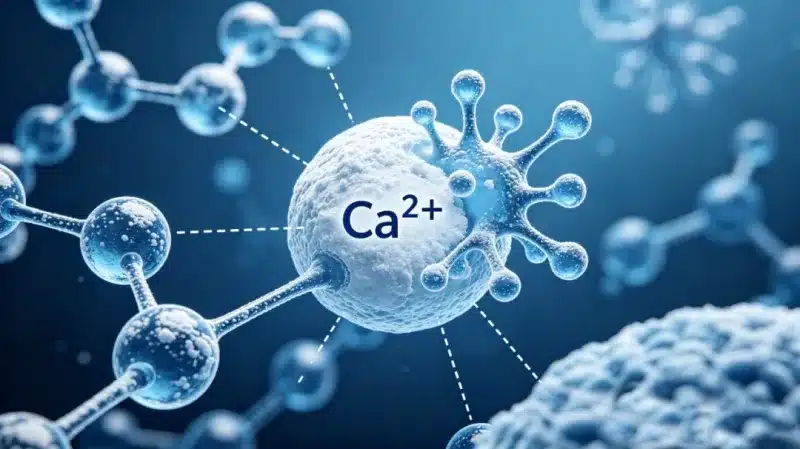
높은 산화칼슘(CaO) 함량은 칼슘 이온이 극성 수지 그룹(예: 에폭시, 폴리에스터)과 화학 결합 또는 강한 반데르발스 힘을 형성할 수 있도록 합니다. 이러한 강력한 결합은 충전재와 수지의 분리 및 취성 박리를 방지합니다.
시너지 효과를 통한 강화
10¹² Ω·cm를 초과하는 체적 저항률을 가진 유리 분말은 전기 절연성을 유지합니다. 미세한 공극을 채움으로써 절연 특성을 저하시키지 않고 누설 경로를 차단합니다.
IV. 주요 응용 분야
| 응용 분야 | 주요 기능 |
| 산업용 보호 코팅 | 해양, 바닥 및 파이프 부식 방지 페인트에 사용되어 마모, 긁힘 및 염수 분무 저항성을 향상시킵니다. |
| 전자 패키징 재료 | 절연 파괴 전압을 높이고 열 안정성을 개선하며 수축률을 줄이기 위해 캡슐화재 및 절연 보드에 사용됩니다. |
| 뉴 에너지 코팅 | 배터리 팩 외함 및 충전소에 적용되어 절연성, 내후성 및 난연성의 균형을 맞춥니다. |
| 첨단 세라믹 | 소결 온도를 낮추고 인성을 향상시키는 용융 촉진제 또는 강화상 역할을 합니다. |
| 복합재료 | 플라스틱, 고무 및 접착제의 기능성 충전재로 사용되어 강성과 치수 안정성을 향상시킵니다. |
V. 신청 지침
- 최적 복용량: 총 충전재 함량을 10%~30% 범위에서 테스트하십시오. 과도한 양은 취성을 증가시키거나 평탄화를 저해할 수 있습니다.
- 분산제 선택: 초미세 분말은 쉽게 응집됩니다. 미세 입자의 성능을 유지하려면 적절한 분산제와 가공 방법을 사용하십시오.
- 필러 블렌딩: 유동성, 경도 및 비용의 균형을 맞추기 위해 활석이나 황산바륨과 혼합하십시오. 예를 들어, 활석은 가공성을 향상시키고 유리 분말은 경도를 제공합니다.
- 수지 호환성: 수성 시스템이나 고산가 수지를 사용할 때는 사전에 호환성을 확인하십시오.
VI. 사례 연구: 에폭시 바닥 코팅
산업용 페인트 제조업체는 지게차 통행으로 인해 에폭시 바닥 코팅에 심각한 긁힘 문제가 발생하는 문제에 직면했습니다. 수지 함량을 늘리는 것은 비용만 증가시킬 뿐 문제를 해결하지 못했습니다.
중량 탄산칼슘 15%를 4~6μm 유리 분말로 대체함으로써 비용 부담을 최소화하면서 내마모성을 약 40% 향상시켜 고객 요구 사항을 완벽하게 충족했습니다.
제7장 요약
유리 분말은 수지를 대체하는 것이 아니라 수지와 시너지 효과를 내도록 사용됩니다. 경도, 내마모성 또는 전기 절연성이 더 높은 배합이 필요한 경우, 유리 분말을 첨가하여 충전재 배합을 조정하면 효과적인 해결책이 될 수 있습니다. 최적의 첨가량과 공정 조건을 위해 소규모 시험을 권장합니다.
“읽어주셔서 감사합니다. 제 글이 도움이 되었으면 좋겠습니다. 아래에 댓글을 남겨주세요. 추가 문의 사항이 있으시면 젤다 온라인 고객 지원 센터로 연락하셔도 됩니다.
— 게시자 에밀리 첸
“