En la industria de los nuevos materiales, existe un material aparentemente ordinario que en realidad es un "héroe oculto" en la fabricación de alta gama. Carece de la escasez y la publicidad de los elementos de tierras raras y del alto perfil de la fibra de carbono. A menudo existe discretamente como una botella de polvo blanco puro. Sin embargo, es casi indispensable en aplicaciones industriales de alta gama que implican aligeramiento, aislamiento térmico y acústico, resistencia a la corrosión y resistencia a la temperatura. Este es el polvo funcional de alta calidad Un aspecto que el mercado ha subestimado durante mucho tiempo: las microesferas huecas.
Dos categorías principales sustentan la mitad del mercado de polvos de alta gama.
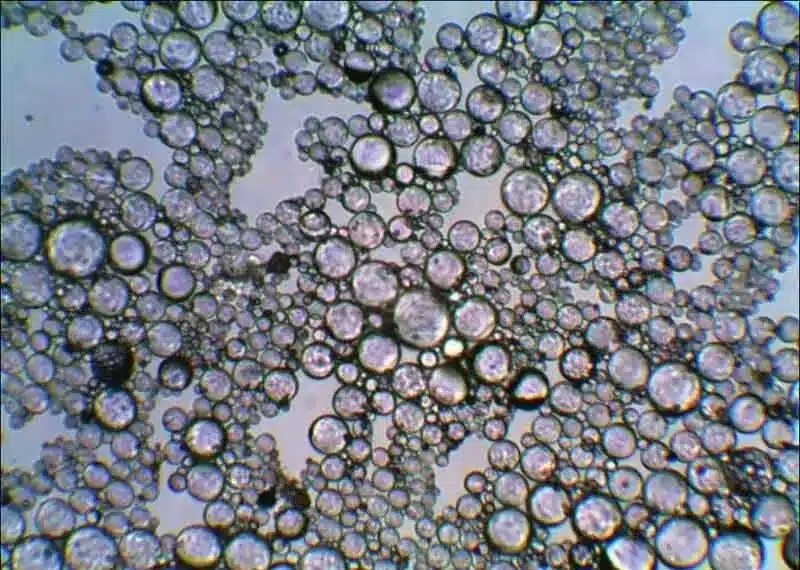
Las microesferas huecas a las que nos referimos comúnmente se utilizan principalmente en dos categorías: microesferas huecas de vidrio y microesferas huecas de cerámica. Además, existen microesferas huecas de cenizas volantes, obtenidas de las cenizas de la combustión del carbón, que, debido a su menor coste, se utilizan sobre todo en aplicaciones de relleno de baja a media capacidad.
Si bien los dos primeros tipos de microesferas huecas de alta gama difieren en sus materiales base, su estructura central es la misma: una estructura esférica cerrada, hueca y completa. Esta singular estructura esférica hueca la distingue de los polvos comunes y le confiere numerosas ventajas inherentes de las que carecen los materiales tradicionales.
Densidad extremadamente baja, lo que facilita la obtención de materiales ligeros.
La estructura hueca de las microesferas da como resultado una densidad mucho menor que la de los polvos de relleno convencionales. La densidad de las microesferas de vidrio huecas de alta gama suele ser de tan solo 0,1 a 0,7 g/cm³, aproximadamente una décima parte de la de los rellenos tradicionales. Su incorporación a recubrimientos, placas y plásticos puede reducir significativamente la densidad total del producto, logrando mejoras en su ligereza. Son ideales para las necesidades de reducción de peso en la industria aeroespacial, el transporte y los materiales de construcción de alta gama.
Estructura hueca con excelente rendimiento de aislamiento térmico y acústico.
Las microesferas atrapan una gran cantidad de aire inmóvil, formando innumerables unidades miniatura de aislamiento térmico y acústico. Esto no solo bloquea la conducción del calor, logrando un excelente aislamiento térmico, sino que también debilita la propagación de las ondas sonoras, absorbiendo eficazmente el ruido y convirtiéndolo en un sustrato natural de aislamiento térmico y silencioso.
Alta estabilidad, resistencia a la corrosión y al envejecimiento.
La cubierta de microesferas, fabricada con materiales de vidrio y cerámica, es químicamente estable, resistente a la corrosión por ácidos y álcalis, a altas y bajas temperaturas y al envejecimiento. No reacciona fácilmente con el sustrato ni con el entorno externo. Esto puede mejorar significativamente la vida útil y la adaptabilidad ambiental de los productos finales.
“Aplicaciones ”invisibles” ocultas en diversos sectores.
Este polvo fino, aparentemente insignificante, se ha ido introduciendo discretamente en múltiples sectores industriales de alta gama, solucionando silenciosamente numerosos problemas técnicos.
Recubrimientos protectores de alta gama para la industria aeroespacial

Los equipos aeroespaciales tienen requisitos extremadamente estrictos en cuanto a recubrimientos, exigiendo tanto una construcción ligera para minimizar la carga del equipo como resistencia a altas temperaturas, aislamiento térmico y resistencia a la corrosión. Las microesferas huecas, con su baja densidad, fuerte aislamiento térmico y alta estabilidad, se han convertido en el relleno principal de los recubrimientos protectores aeroespaciales, creando una barrera protectora robusta para los equipos aeroespaciales.
Paneles compuestos de alta gama
La incorporación de microesferas huecas a los nuevos paneles compuestos reduce el peso sin comprometer su resistencia. Además, mejora el aislamiento acústico, el aislamiento térmico y la resistencia al fuego. Se utiliza ampliamente en edificios prefabricados y paneles interiores de transporte ferroviario.
Materiales de aislamiento industrial
Ya sea para el aislamiento de tuberías industriales, capas aislantes para equipos o mortero y paneles aislantes para la construcción, las microesferas huecas son un relleno superior. Su estructura hueca única bloquea eficazmente la transferencia de calor, mejorando significativamente el rendimiento del aislamiento. Además, hace que los materiales aislantes sean más ligeros y resistentes a la intemperie.
Además, se utiliza ampliamente en recubrimientos anticorrosivos, modificación de plásticos, piedra artificial, materiales de aislamiento acústico y otros campos. Se trata de un polvo industrial multifuncional y de gran adaptabilidad.
Un polvo aparentemente sencillo con una barrera de fabricación extremadamente alta.
Muchas personas creen erróneamente que las microesferas huecas son simplemente “polvo hueco” con bajo contenido tecnológico. Nada más lejos de la realidad. La producción de microesferas huecas de alta calidad implica procesos altamente sofisticados con barreras industriales extremadamente altas. La diferencia de rendimiento entre las microesferas comunes y las microesferas premium de alta gama disponibles en el mercado es enorme. La diferencia fundamental radica en tres desafíos de fabricación principales:
Control de uniformidad del espesor de la carcasa
El grosor de la capa de las microesferas determina directamente la resistencia, la tolerancia a la temperatura y la estabilidad del producto. Un grosor irregular de la capa provoca roturas con facilidad bajo tensión y calor, lo que resulta en una degradación significativa del rendimiento y hace que el producto no sea apto para aplicaciones de alta gama. Esto exige una precisión extrema en el control de la temperatura de producción y en los procesos de moldeo.
Control preciso de la tasa de integridad
Todas las características de rendimiento esenciales de las microesferas huecas dependen de su estructura completamente hueca y sellada. Una vez que las esferas se rompen, la estructura hueca falla, lo que reduce significativamente sus propiedades de aislamiento térmico, ligereza y aislamiento acústico, dejándolas inservibles. Durante la producción, la presión, la temperatura y el caudal deben controlarse con precisión para maximizar la integridad de las esferas. El estándar actual de la industria para microesferas huecas de alta calidad es un índice de integridad de la esfera de ≥95%.
Optimización de la densidad superficial
La densidad superficial insuficiente de las microesferas genera microporos y huecos, lo que provoca una alta absorción de aceite y una escasa compatibilidad con los sustratos. Su incorporación a recubrimientos o placas puede causar fácilmente deslaminación, desprendimiento e inestabilidad en el rendimiento. Las microesferas de alta calidad deben tener una superficie densa y lisa para ser aptas para su uso en materiales compuestos con diversos sustratos.
¿Qué papel desempeña? Equipos de molienda ¿Participar en la preparación de microesferas huecas?
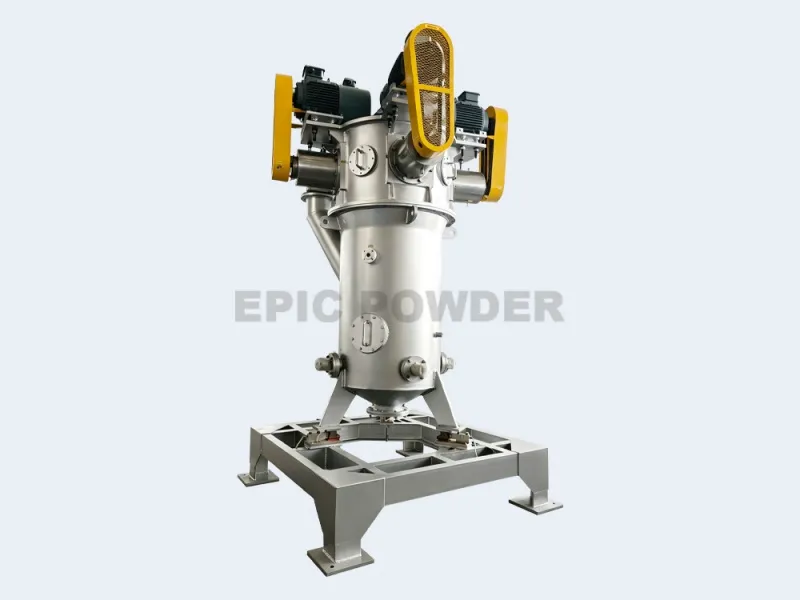
Dadas las estrictas exigencias para las materias primas y los procesos en la preparación de microesferas huecas, ¿qué papel desempeña el equipo de molienda de uso común en el proceso de producción? Lo analizaremos abordando las siguientes preguntas clave:
P1: ¿En qué etapa interviene el equipo de molienda en la producción de microesferas huecas?
A: El equipos de molienda Consta principalmente de dos etapas: “preparación de la materia prima” y “modificación/clasificación del producto terminado después del procesamiento”.”
Es importante aclarar que la estructura hueca de las microesferas se forma mediante expansión en un horno de sinterización por pulverización o peletización a alta temperatura. No es que el equipo de molienda muela directamente las microesferas. La función principal del equipo de molienda es proporcionar un polvo precursor con la finura precisa y perfectamente adaptada para el proceso de peletización.
P2: En la etapa de preprocesamiento, ¿qué impacto tiene el equipo de molienda en la mejora de la “relación de esferas intactas”?
A: El impacto es crucial. Como se mencionó anteriormente, la esfericidad intacta de las microesferas de alta gama debe ser ≥ 95%. Esto requiere que, en el proceso previo, el polvo de vidrio sólido o la materia prima cerámica se muelan hasta obtener un tamaño extremadamente fino con una distribución de tamaño de partícula muy estrecha.
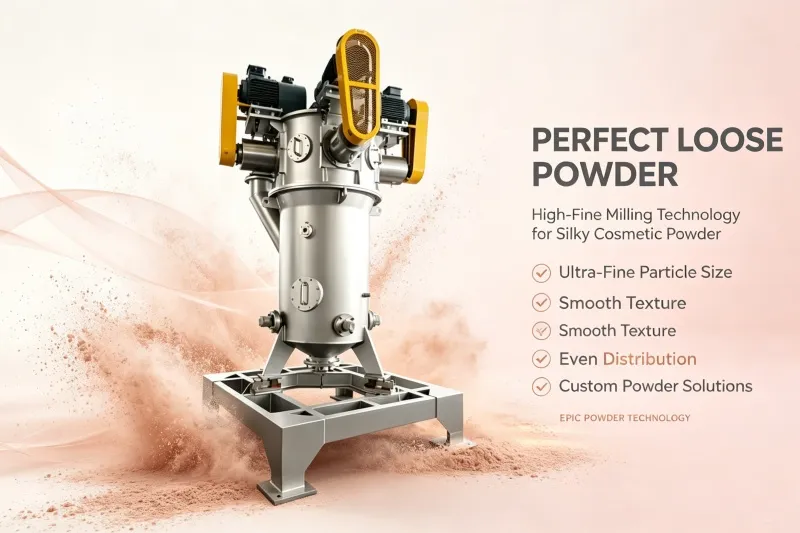
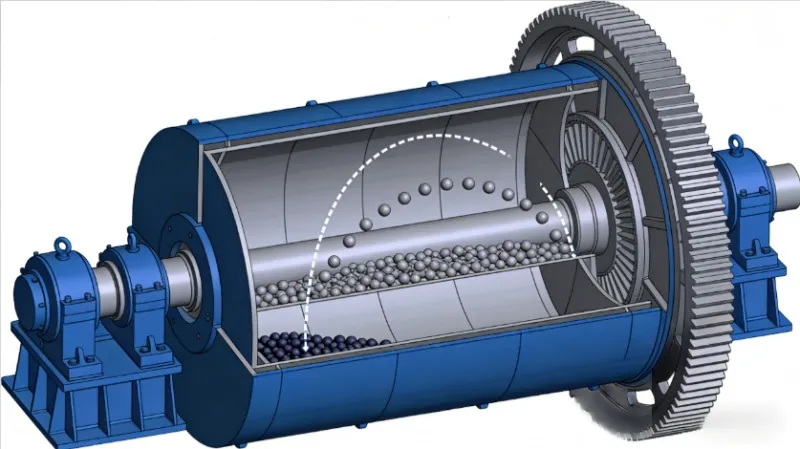
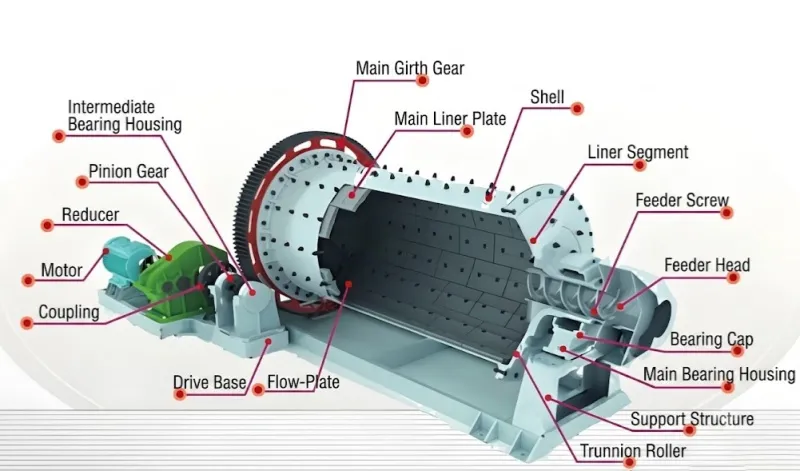
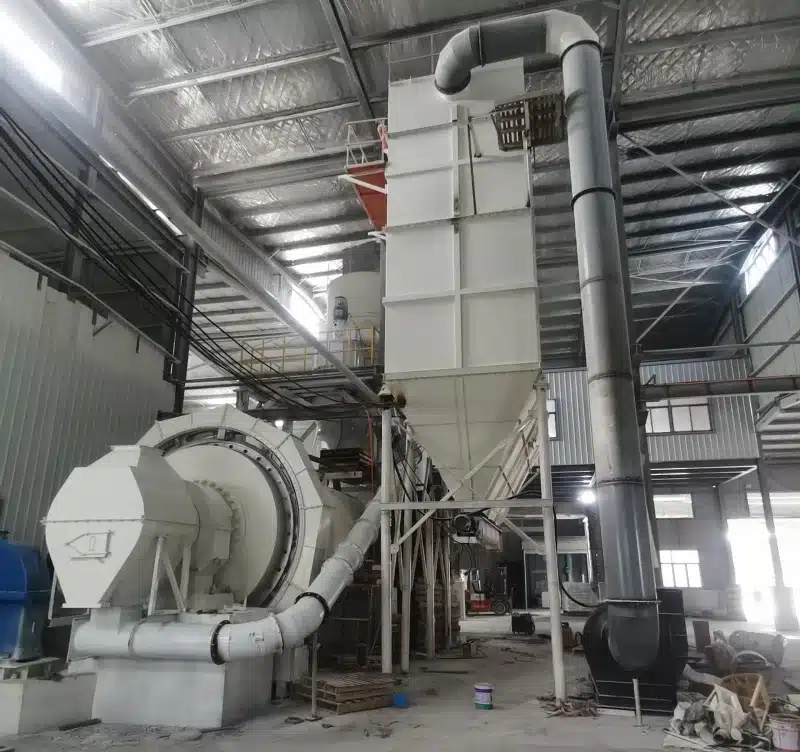
Si las partículas de materia prima tienen un tamaño inconsistente, las partículas grandes no se expandirán debido a un calentamiento insuficiente al pasar por el horno de peletización de alta temperatura. Las partículas pequeñas se fundirán y romperán debido al sobrecalentamiento. Los equipos de molienda especializados, como los molinos de aire ultrafino o los molinos de bolas, permiten controlar con precisión la materia prima a nivel micrométrico o incluso submicrométrico. Esto garantiza que cada partícula se caliente de manera uniforme durante la peletización, mejorando significativamente la esfericidad intacta.
Un polvo premium infravalorado con un inmenso potencial futuro.
Con la tendencia al desarrollo de nuevos materiales ligeros, de bajo consumo energético y de alta gama, se está reevaluando el valor de las microesferas huecas. De tamaño minúsculo, ofrecen diversas características de rendimiento, combinando ventajas como la reducción de peso, el aislamiento térmico y acústico, la resistencia a la corrosión y la resistencia a la temperatura. Son idóneas para múltiples sectores prometedores, como las energías renovables, la industria aeroespacial, la construcción sostenible y los recubrimientos de alta gama.

“Gracias por leer. Espero que mi artículo les sea útil. Dejen sus comentarios abajo. También pueden contactar al servicio de atención al cliente de Zelda para cualquier otra consulta.”
— Publicado por Emily Chen