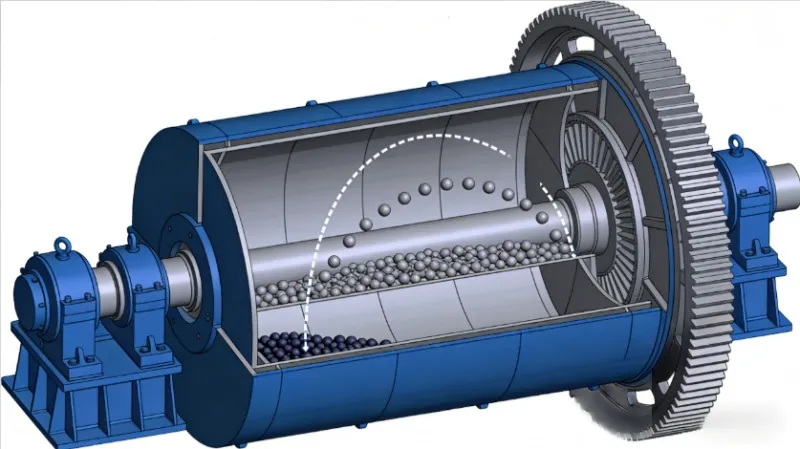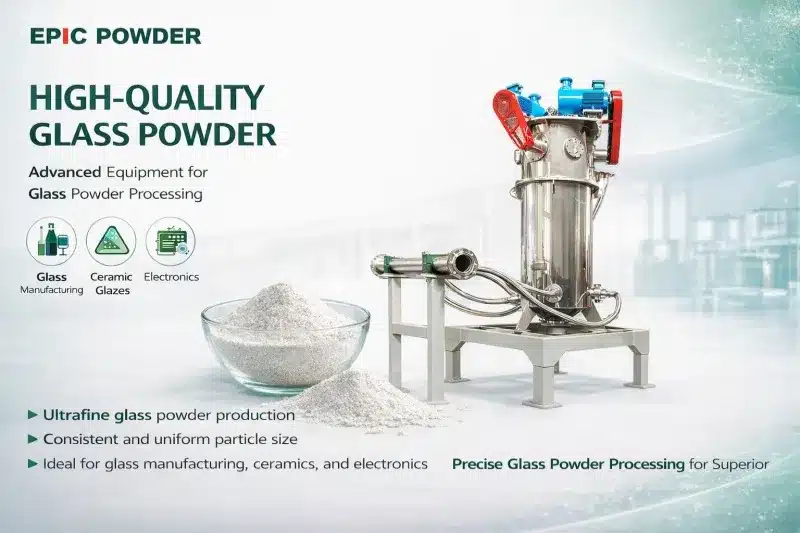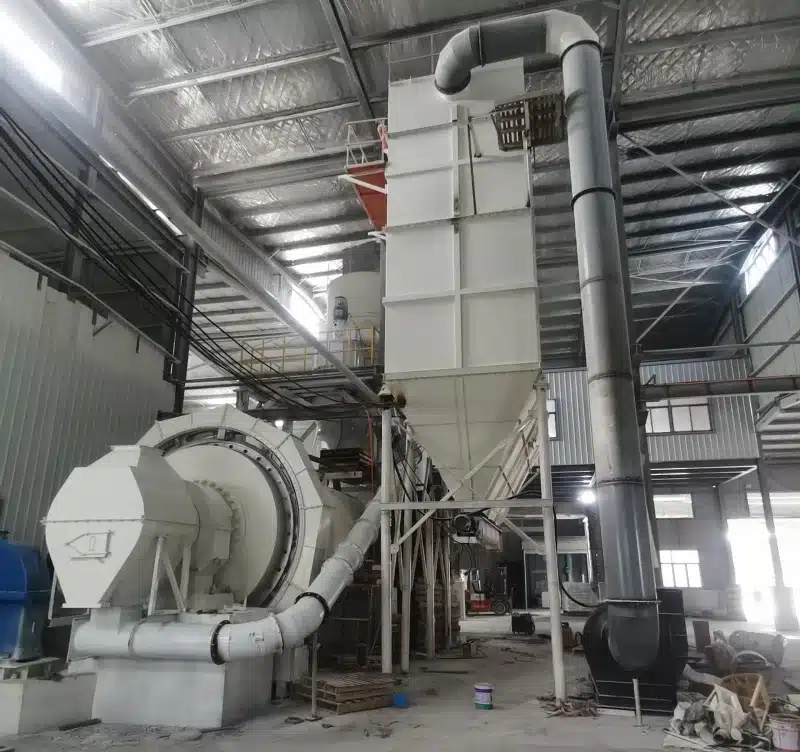
Com a crescente demanda por partículas finas em indústrias como a alimentícia, a química fina e a mineral, a tecnologia de moagem ultrafina tem atraído grande atenção. As tecnologias comuns de moagem ultrafina incluem a moagem por jato de ar, a moagem coloidal e a moagem de bolas. Dentre elas, a tecnologia de moagem de bolas utiliza energia mecânica e efeitos térmicos para alterar a estrutura e as propriedades dos materiais por meio de fricção, colisão e cisalhamento. Ela apresenta vantagens como estabilidade da amostra, alta qualidade de processamento, baixo custo e respeito ao meio ambiente. É amplamente utilizada na moagem de diversos minerais, alimentos e materiais químicos.

I. Tipos de Moinhos de bolas
O princípio de funcionamento de um moinho de bolas baseia-se fundamentalmente na rotação do material em torno do eixo rotativo do moinho, enquanto o disco de suporte gira na direção oposta. A combinação dessas duas velocidades gera força centrífuga. Isso faz com que a amostra sofra atrito e cisalhamento suficientes, atingindo assim um estado ultrafino.
Com base em seus princípios de funcionamento e características, os moinhos de bolas são geralmente classificados em três tipos: moinhos de bolas agitados, moinhos de bolas vibratórios e moinhos de bolas planetários.
Moinho de bolas vibratório:
Um moinho de bolas vibratório utiliza a vibração harmônica simples de alta frequência do cilindro. Isso gera impacto, compressão e tensão de cisalhamento intensos entre os meios de moagem e o material, resultando em refinamento rápido e mistura uniforme do material. Geralmente, ele consegue moer materiais até o nível micrométrico.
Moinho de bolas agitado:
Um moinho de bolas com agitação utiliza um agitador rotativo de alta velocidade em seu interior para transferir diretamente energia cinética poderosa aos meios de moagem e aos materiais. Sob intensa ação de colisão, fricção e cisalhamento, os materiais são completamente pulverizados. Oferece vantagens como facilidade de operação, estrutura simples, alta taxa de pulverização e baixa poluição. É adequado tanto para moagem úmida quanto seca.
Moinho de bolas planetário:
Os moinhos de bolas planetários são utilizados no processamento de amostras, moagem de coloides e desenvolvimento de materiais devido à sua boa reprodutibilidade, manuseio seguro e curto tempo de processamento. Utilizam um sistema de transmissão que faz o cilindro do moinho girar em torno de um eixo central e também em torno do seu próprio eixo. Isso gera uma poderosa força centrífuga que pulveriza os materiais. Apresentam alta velocidade e frequência de impacto.
II. Meios de Moagem de Bolas
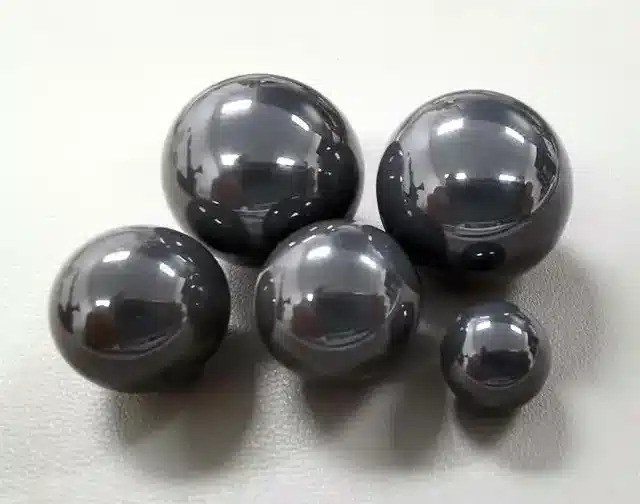
Os processos de moagem em moinho de bolas podem ser divididos em métodos a seco e úmido, dependendo da adição ou não de um meio de dispersão líquido durante o processo de moagem. A moagem a seco em moinho de bolas envolve o carregamento direto de materiais secos no moinho para moagem. Apresenta vantagens como um fluxo de processo curto, operação simples e baixo consumo de energia. Portanto, é amplamente utilizada em setores tradicionais, como o processamento de grãos.
A moagem úmida em moinho de bolas requer a adição de um meio dispersante ao material. Ela utiliza o atrito, a colisão e o impacto entre os meios de moagem e o material para obter a pulverização. Embora o controle dos parâmetros do processo e as condições operacionais da moagem úmida em moinho de bolas sejam mais complexos, e aditivos de moagem sejam frequentemente adicionados para auxiliar a moagem, sua estrutura de equipamento é relativamente simples. Além disso, o produto apresenta boa uniformidade de moagem. Seja a seco ou úmido, o processo de moagem ultrafina pode processar matérias-primas alimentícias em pós de diferentes tamanhos de partículas por meio de poderosas forças de cisalhamento, impacto e colisão, atendendo assim a diversas necessidades de aplicação.
III. Condições de Moagem com Bolas
Existem diversos tipos de moinhos de bolas. O efeito da moagem por bolas é influenciado por múltiplos fatores, como a densidade do material a ser moído, o número e o tamanho das bolas de moagem, a velocidade de moagem, o tempo de moagem, a temperatura de moagem, a relação entre bolas e material e a proporção de material de enchimento. Devido à combinação dessas variáveis, a energia fornecida pelo moinho de bolas varia bastante. Se a energia de moagem fornecida for baixa, ocorrerá apenas uma redução no tamanho das partículas e um aumento na área superficial específica. No entanto, se a energia for muito alta (moagem de bolas de alta energia), a quebra de ligações químicas e a ocorrência de reações químicas podem ser alcançadas. Portanto, as condições ideais de moagem devem ser determinadas de acordo com o efeito desejado.
IV. Áreas de aplicação e principais vantagens de Tecnologia de Moagem de Bolas
Devido à sua elevada eficiência energética e baixo custo, a tecnologia de moagem de bolas tem sido amplamente aplicada em diversos setores industriais importantes:
- Processamento de produtos alimentícios e agrícolas: Utilizado para a moagem ultrafina de materiais como chá, grãos e quitina, melhorando significativamente a solubilidade, a absorção de fibras alimentares e a textura.
- Produtos químicos finos e materiais minerais: Utilizado para a moagem e modificação de alta pureza de materiais de eletrodos positivos e negativos de baterias, pós cerâmicos e minerais de terras raras.
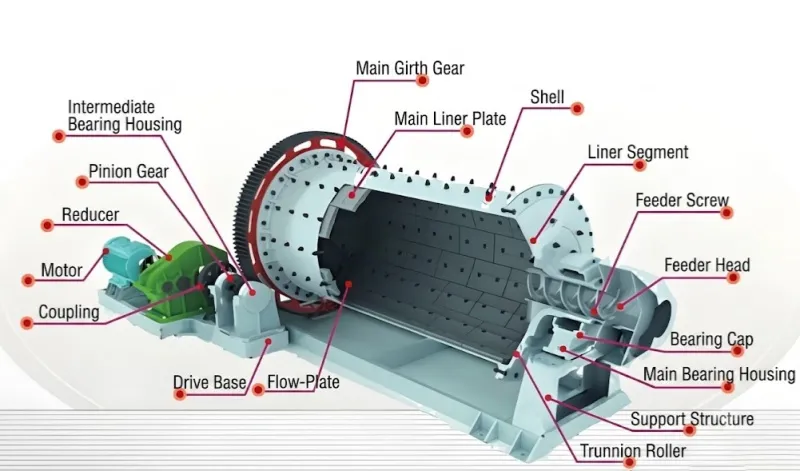
V. Parâmetros Essenciais do Processo para Otimizar o Efeito da Moagem de Bolas
Para alcançar a distribuição granulométrica ideal e a eficiência de moagem, os seguintes parâmetros-chave precisam ser cuidadosamente controlados:
| Nome do parâmetro | Mecanismo de ação | Sugestões de otimização |
| Relação Bola/Material (Relação Massa do Meio/Material) | Determina a frequência de impacto e atrito durante a retificação. | A proporção mais comum é de 5:1 a 20:1; proporções mais elevadas são recomendadas para moagem de alta energia. |
| Proporção de enchimento (percentagem do volume total de moagem) | Afeta o espaço de movimentação da mídia e a eficiência da transferência de energia. | O volume do recipiente de moagem deve ser controlado entre 30% e 50% para evitar força centrífuga insuficiente devido ao enchimento excessivo. |
| Classificação das esferas de moagem (proporção e tamanho) | Bolas grandes fornecem força de impacto, bolas pequenas fornecem força de cisalhamento e fricção. | Uma mistura de bolas grandes e pequenas pode equilibrar a trituração grosseira e a moagem fina. |
| Classificação das esferas de moagem (proporção e tamanho) | Determina a energia mecânica total de entrada. | A velocidade deve atingir entre 70% e 85% da velocidade crítica; um tempo excessivo pode facilmente levar à aglomeração secundária dos materiais. |
VI. Tendências de desenvolvimento e perspectivas futuras da moagem ultrafina de esferas
Síntese mecanocímica (moagem de alta energia com esferas):
Utilizando energia extremamente alta para induzir reações químicas em fase sólida, a síntese de materiais inorgânicos e a modificação orgânica podem ser realizadas sem solventes.
Tecnologia de moagem de bolas em baixa temperatura/refrigerada:
Introduzimos o resfriamento com nitrogênio líquido para solucionar o problema de desnaturação ou fusão de materiais sensíveis ao calor (como proteínas, enzimas e plásticos de baixo ponto de fusão) durante o processo de moagem.
Produção Inteligente e Contínua:
Combinando monitoramento online do tamanho das partículas e sistemas de controle automatizados. Promovendo a transformação da moagem ultrafina de partículas, de um processo em lotes para uma produção industrial contínua e inteligente.

“Obrigado pela leitura. Espero que meu artigo tenha ajudado. Deixe um comentário abaixo. Você também pode entrar em contato com o suporte online da Zelda para quaisquer outras dúvidas.”
— Publicado por Emily Chen