목차

Why is Spherical Alumina so Widely Used in Thermal Conductive Materials?

With the growing demand for highly thermally conductive materials, filled thermally conductive polymer composites hold great promise for future applications. The performance of thermally conductive composites largely depends on the choice of thermal fillers. (Al₂O₃) is a common ceramic filler. With its high hardness and excellent thermal conductivity, it is a popular choice for enhancing the thermal conductivity of materials. Al₂O₃ exists in many crystalline forms, including α, γ, δ, η, θ, and κ, among which α-Al₂O₃ is the most stable. Its crystal lattice consists of oxygen ions arranged in a hexagonal close-packed structure, with aluminum ions symmetrically distributed at the centers of the octahedra formed by the oxygen ions, resulting in a high lattice energy. The particle morphology of α-Al₂O₃ includes spherical, flake-like, irregular polyhedral, and ellipsoidal shapes, among others. Different microstructures have a significant impact on the performance of thermal conductive materials. Currently, spherical alumina is the most widely used thermal conductive filler on the market.

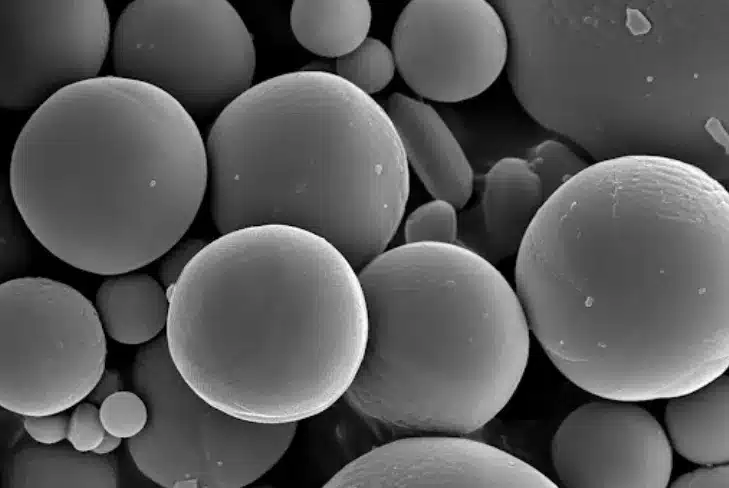
Spherical alumina powder

Unique Advantages: The “Inherent Properties” Bestowed by the Spherical Structure

Exceptional Thermal Conductivity

Alumina is an inorganic non-metallic material with excellent thermal conductivity. Its spherical structure further optimizes the thermal conduction pathways. In composite materials, spherical particles can form a more continuous and smoother heat conduction network, thereby reducing thermal resistance. When heat is transferred within the material, the contact area between spherical particles is relatively large and more evenly distributed, avoiding interruptions in heat transfer caused by irregular shapes, large edges, or stacking gaps. This significantly enhances the overall thermal conductivity of the composite material.

Outstanding Dispersibility

The spherical structure gives aluminum oxide powder excellent flowability and dispersibility. Compared to irregularly shaped aluminum oxide powders—such as flake, needle, and lump powders—spherical particles exhibit less friction between them and are more easily distributed uniformly within the matrix material. This reduces the occurrence of agglomeration. This uniform distribution ensures the continuity and consistency of the thermal conductivity network within the composite material. Consequently, fluctuations in thermal conductivity caused by localized particle agglomeration are avoided.

Excellent Chemical Stability and High-Temperature Resistance

Spherical alumina filler exhibits exceptional chemical stability. It is also resistant to chemical reactions with surrounding media. Its physical and chemical properties remain stable in acidic or alkaline environments, humid conditions, or during long-term use. It does not degrade due to corrosion, oxidation, or other factors. This ensures the long-term reliability of the thermal conductive material. At the same time, it possesses outstanding high-temperature resistance, maintaining structural integrity and thermal conductivity even in high-temperature environments.

Preparation Process: Precise Shaping from “Powder” to “Spherical”

The superior properties of spherical alumina stem from its precise spherical structure and controllable particle size distribution. This is made possible by a well-established preparation process. Currently, the primary methods for preparing spherical alumina powder include: flame fusion, jet methods, template methods, aerosol decomposition, sol-gel, hydrothermal, droplet-spinning, and ball milling.

Spray Method

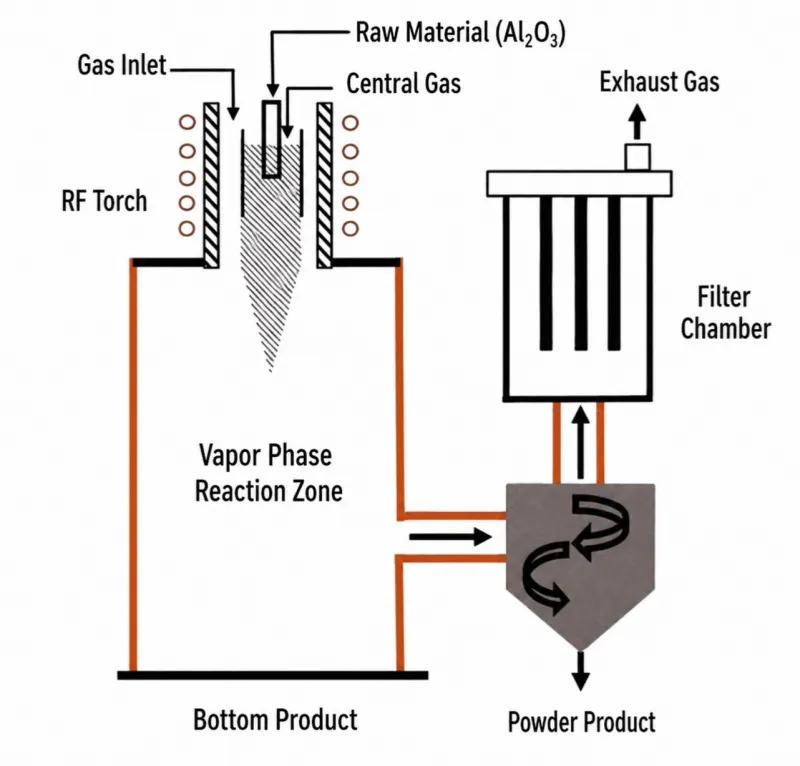
spherical alumina spray method

The spray method for preparing spherical alumina involves heat treating the precursor using a high-temperature heat source. The product is then spheronized by utilizing surface tension. The spray method is divided into spray pyrolysis, spray drying, and spray melting. Among these, the spray melting method uses radio-frequency induction plasma to melt solid alumina, which is then rapidly cooled by a jet stream to produce spherical alumina. This method is primarily used to spheroidize irregularly shaped alumina particles. The resulting alumina exhibits high sphericity, but particle size is difficult to control, ranging from the nanometer to micrometer scale.

Flame Fusion Method

Currently, the flame fusion method is commonly used in the market to produce spherical alumina. Compared to the similarly named “jet fusion method,” the flame fusion method involves directly injecting irregularly shaped alumina powder into a flame, where the powder melts to form spheres. This process is simple and offers advantages in cost control over the plasma jet method. The resulting spherical products exhibit high thermal conductivity, good sphericity, and controllable particle size.

Template Method

The template method for preparing spherical alumina first requires a core template. A layer of microspheres with a shell structure is coated around the core template, and the core template is then removed using physicochemical methods. The final product is hollow microspheres. Based on the characteristics and limitations of the templates themselves, this method is generally classified into hard-template and soft-template methods.

Aerosol Decomposition Method

The aerosol decomposition method for preparing alumina spheres primarily uses liquid aluminum alcoholates as raw materials. High-temperature hydrolysis is employed to vaporize the aluminum alcoholates. Subsequent drying or high-temperature treatment is then applied to ultimately form spherical alumina powder. The particles produced by this method are in the nanoscale range, and there are currently no industrial applications for this process.

Sol-Gel Method

The sol-gel method involves the hydrolysis or polymerization of inorganic salts to form precursors. After alcohol washing, aging, and heat treatment, alumina powder is obtained. Since this method uses organic solvents and surfactants, the resulting alumina powder exhibits nearly 100% sphericity, with particle sizes ranging from the micrometer to the millimeter scale. A drawback of this method is that it makes the separation and drying of the alumina powder difficult.

Hydrothermal Method

The hydrothermal method for preparing spherical alumina uses aluminum salts as raw materials. Under high-temperature, high-pressure conditions, the material dissolves and recrystallizes to form spherical alumina particles. Alumina powder produced by the hydrothermal method is highly pure, has a controllable shape, and is free of agglomeration. However, it requires a high-temperature, high-pressure environment and is highly dependent on specialized equipment.

Dropping-Sphere Method

The first step in preparing spherical alumina using the droplet method is to prepare a pure alumina sol. Starting with an acidic pure alumina sol, the sol is dripped into an oil layer; the gelling agent is HMTA (hexamethylenetetramine) or a mixture of urea and HMTA. The resulting material is then aged, dried, and calcined to form spherical particles.

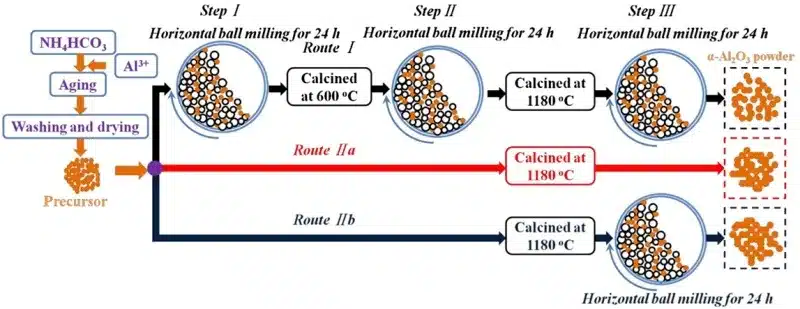
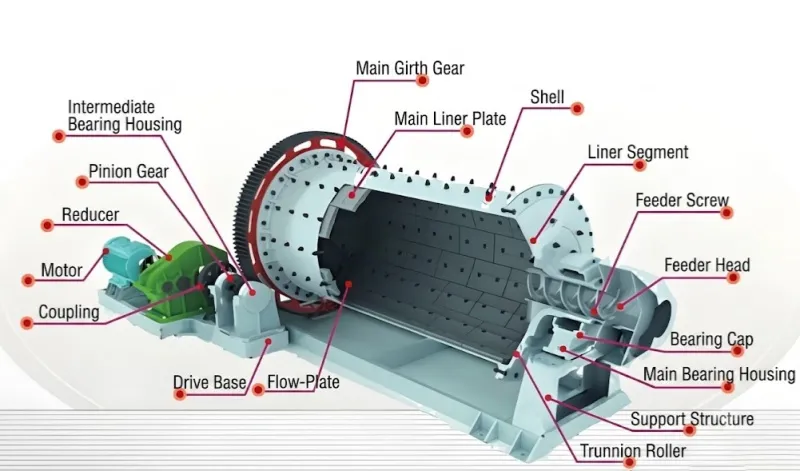
볼 밀링

spherical alumina ball milling

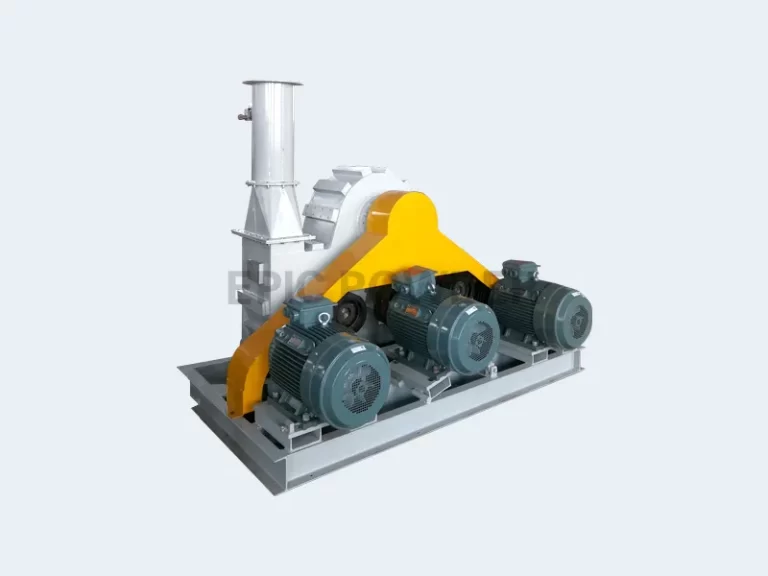
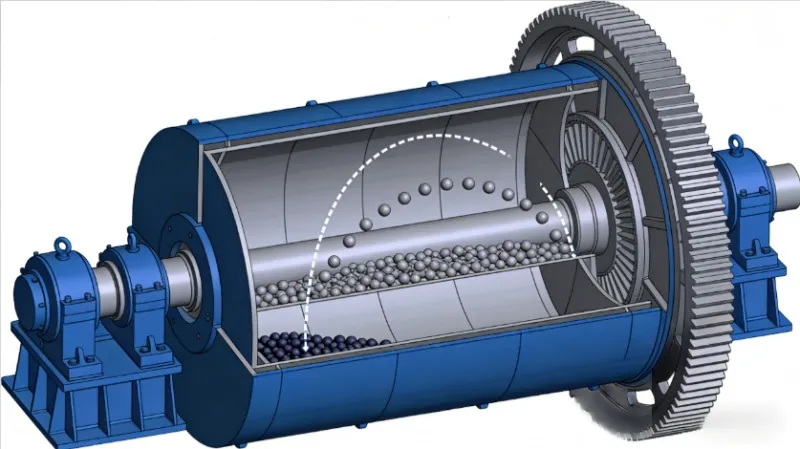
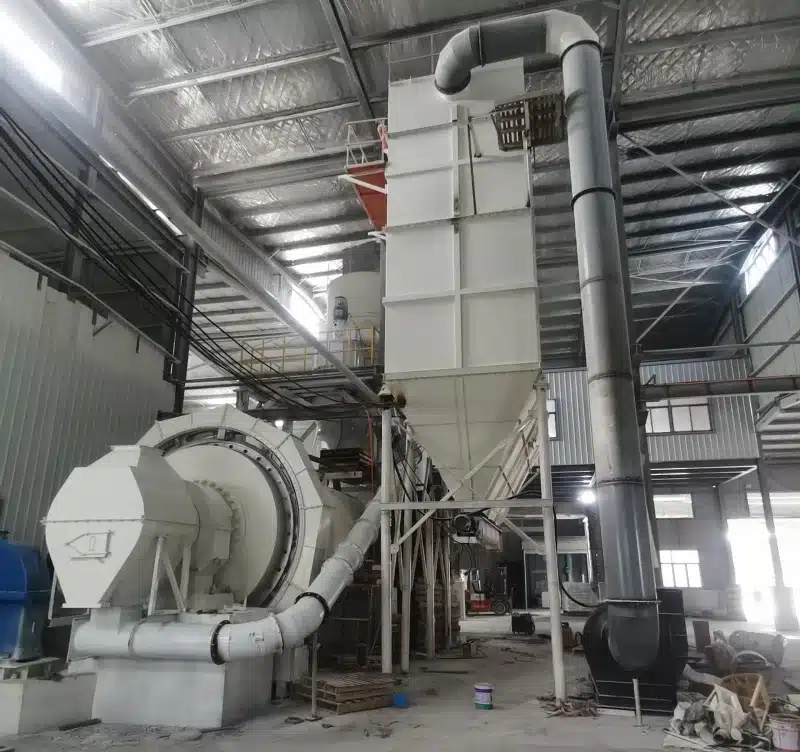
The ball milling process involves placing raw materials into a 볼밀, where they are ground and agitated by grinding media, transforming large particles into ultrafine powders. Mechanical ball milling can be used to produce spherical alumina products with various particle sizes. This method features simple and reliable equipment, facilitates batch production, and holds great potential for future market growth.

Rising EV Penetration Drives Surging Demand for Spherical Alumina

Amid the global trend toward automotive electrification, leading automakers both domestically and internationally are stepping up their strategic investments in new energy vehicles. The new energy vehicle sector has entered a phase of rapid growth driven by market demand. China’s new energy vehicle market continues to expand at a rapid pace. Thermal interface materials, such as thermal conductive materials and thermal conductive adhesives, are used in the batteries, electronic control units, and electric motors of new energy vehicles. This is expected to drive demand for spherical alumina fillers.

Electronic Control (E-Control):

To reduce thermal resistance between the heat source and the cooling path, it is essential to improve the module’s thermal conductivity. Therefore, a layer of thermal grease is typically applied to the rigid interface between the IGBT module and the heat sink.

By filling the interface with thermal grease or similar materials, full contact between the heat source and the heat sink is achieved. This significantly reduces interfacial thermal resistance, markedly improves heat dissipation, and thereby effectively reduces electrical losses.

Drive Motors:

In drive motors, the stator is used to generate a rotating magnetic field and is typically fully potted with high-thermal-conductivity adhesive. This reduces thermal resistance between the windings and the stator core and improves the thermal conductivity of the insulation system. Motor temperature rise can be reduced by approximately 10–18°C, enhancing the reliability of safe motor operation.

Power Battery Sector:

Power batteries are the “heart” of new energy vehicles. Their thermal monitoring and thermal management directly impact the vehicle’s overall performance and safety. Currently, fillers such as aluminum hydroxide, angular alumina, and spherical alumina can all meet thermal conductivity requirements. However, power battery manufacturers enforce extremely strict safety controls, and battery module structures and heat dissipation methods vary widely. After comprehensive evaluation, spherical alumina has emerged as the leading choice. It has become the primary thermal conductive filler, perfectly balancing the dual requirements of high thermal conductivity and strong flame retardancy.

결론

As a core material in the field of thermal conductive fillers, spherical alumina stands out for its unique structural advantages, superior performance, and wide range of applications. It plays an irreplaceable role in the development of high-end industries. With the continuous optimization of manufacturing processes and ongoing breakthroughs in functionalization technologies, spherical alumina is poised to demonstrate its value in an even broader range of fields. It will also provide a solid material foundation for the advancement of thermal management technologies.


에밀리 첸

“읽어주셔서 감사합니다. 제 글이 도움이 되었으면 좋겠습니다. 아래에 댓글을 남겨주세요. 추가 문의 사항이 있으시면 젤다 온라인 고객 지원 센터로 연락하셔도 됩니다.
 “

— 게시자 에밀리 첸

문의하기

당사 전문가가 6시간 이내에 연락하여 기계 및 프로세스에 대한 귀하의 요구 사항을 논의해 드립니다.

    다음을 선택하여 인간임을 증명하십시오..

    관련 게시물