목차

분말 코팅 분쇄기가 분말 코팅을 더 미세하게 만들고 유동성 문제를 해결할 수 있을까요?

In today’s global wave of environmental protection, a new type of solid coating—powder coating—without VOC emissions is quietly replacing traditional solvent-based coatings. Whether it’s pipe corrosion protection or the mirror-like finish on refrigerator casings and car wheel rims, powder coatings are indispensable. However, the coating thickness of traditional powder coatings (60-100μm) far exceeds that of traditional liquid coatings (10-40μm). Thick coatings not only waste resources but also easily lead to rough surfaces and reduced gloss, greatly limiting their application in high-end fields. Therefore, thinner powder coatings are essential. Ultrafine powder coatings have attracted much attention, with particle size control of organic polymer powders being crucial.

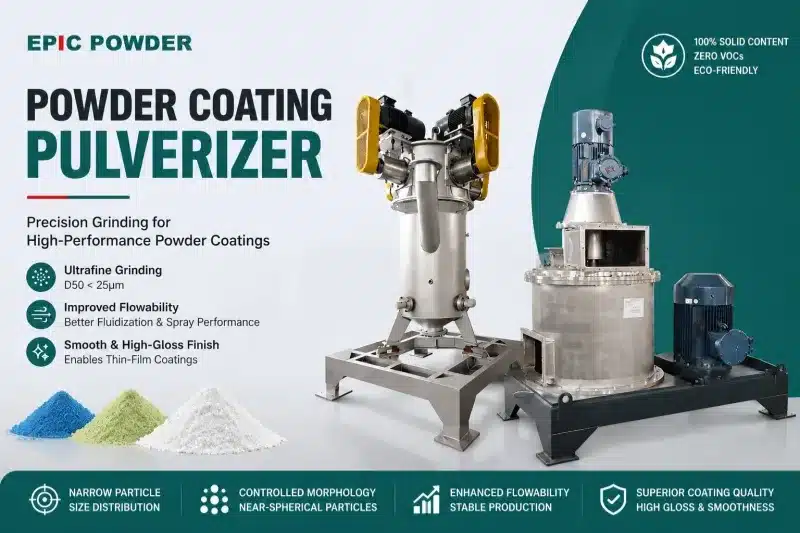
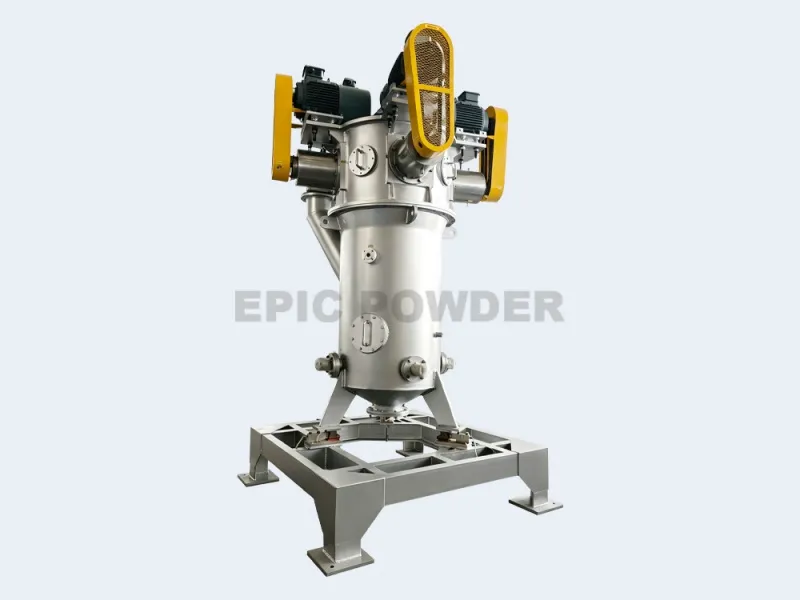
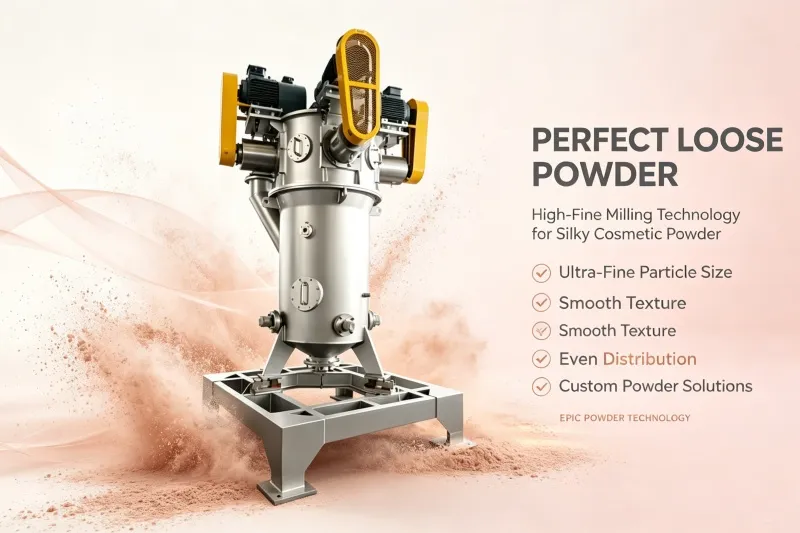
분말 코팅 분쇄기

Powder Coatings: Why Make Them “Finer”?

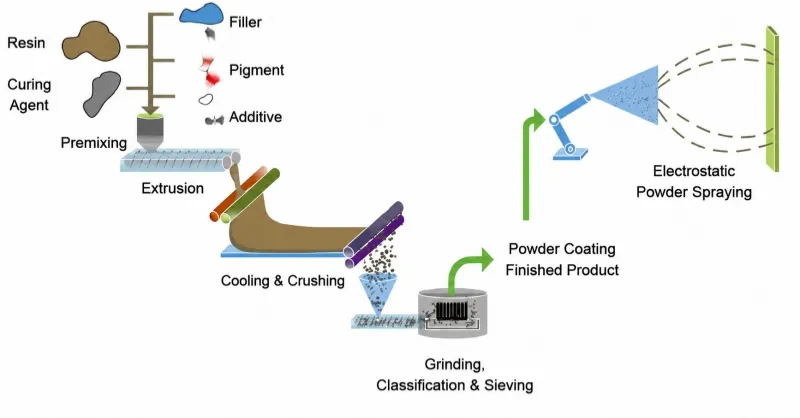
Powder coatings are 100% solid coatings composed of organic resin binders and curing agents as film-forming materials, along with fillers, pigments, and functional additives. They are applied in powder form onto the substrate and then cured into a film through heating, melting, and crosslinking.

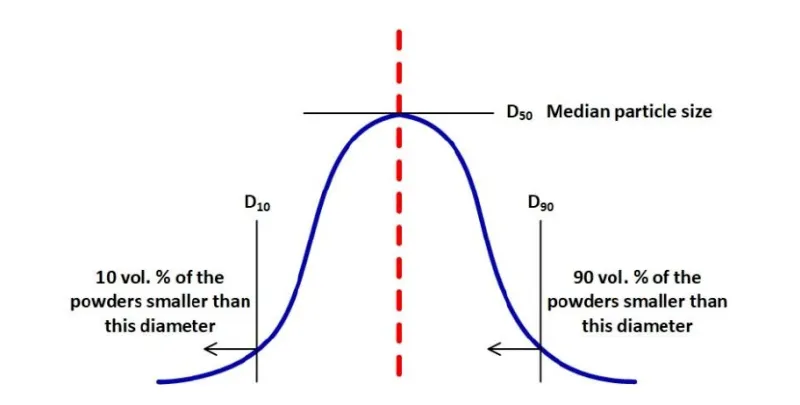
In actual production and coating processes, powder coatings are classified according to the median particle size (D50) or average particle size of organic polymer powders. They are generally divided into:

  • Conventional powder (D50 > 30 μm)
  • Fine powder (D50 < 30 μm)
  • Ultrafine powder (D50 < 25 μm)

Compared with liquid coatings, powder coatings urgently need to solve problems such as poor surface smoothness and low gloss caused by thick coatings. The key to achieving thin-film performance lies in making the powder particles finer, often requiring advanced grinding systems such as a powder coating pulverizer.

Powder coating preparation and spraying process

The “Trouble” of Fine Particles: Flowability Challenges

Grinding powder finer may sound simple, but it introduces a major technical challenge—flowability problems. Ultrafine powders have low mass and large surface area, making them prone to agglomeration and poor flow behavior, which negatively affects spraying performance.

To achieve ultrafine powder production, the most critical issue is improving powder flowability and fluidization behavior.

A powder coating pulverizer must therefore not only achieve size reduction but also maintain a controlled particle size distribution.

Factors Affecting Flowability

입자 크기 분포

The fluidization performance of ultrafine powder coatings is significantly affected by particle size distribution. For ultrafine powder coatings, it’s not only important to focus on the average particle size (D50), but also to reduce the span of the particle size distribution (i.e., reduce D90 and increase D10). This is also key to improving powder flowability and coating quality. The smaller the span, the better the particle packing pattern, and the better the flowability and coating performance.

Due to limitations in conventional preparation processes, ordinary ultrafine powders often have a wide distribution span and require additional processing.

Equipment modification and process optimization:

Traditional equipment (such as 공기 분류기 밀) easily leads to over-grinding, resulting in a wider particle size distribution. Optimizing the grinding process by modifying grinding mills (such as small grinding mills) can reduce the particle size distribution range.

Special grinding combined with high-intensity 분류:

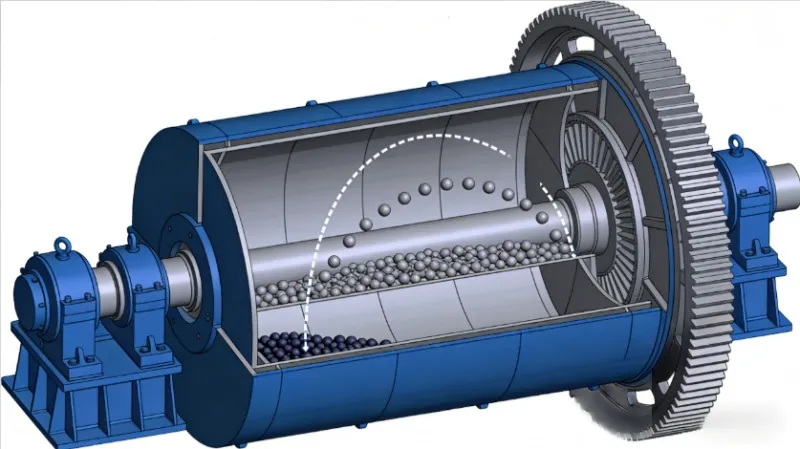
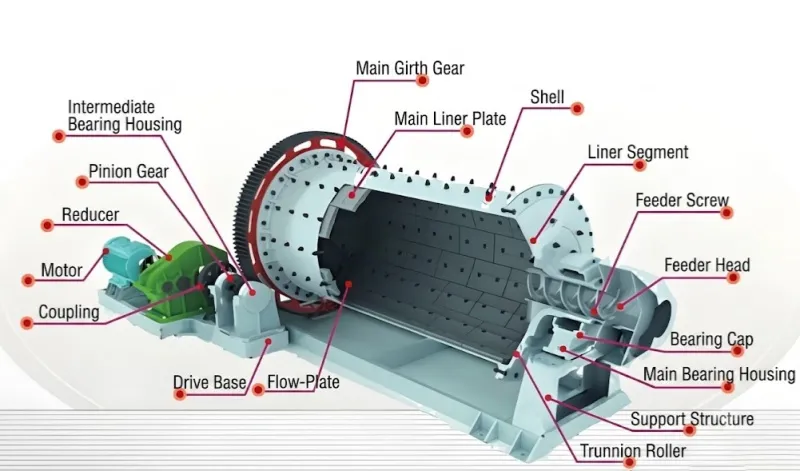
Specialized equipment such as fluid dynamic mills, ball mills, wet mills, or roller presses are used for pulverization. This is then supplemented with ultrasonic wet sieving or multi-stage classification to remove excessively fine or coarse particles. However, these methods typically have low production capacity, high costs, and require intensive post-processing labor. Therefore, they are rarely used in the powder coating industry.

입자 형태학

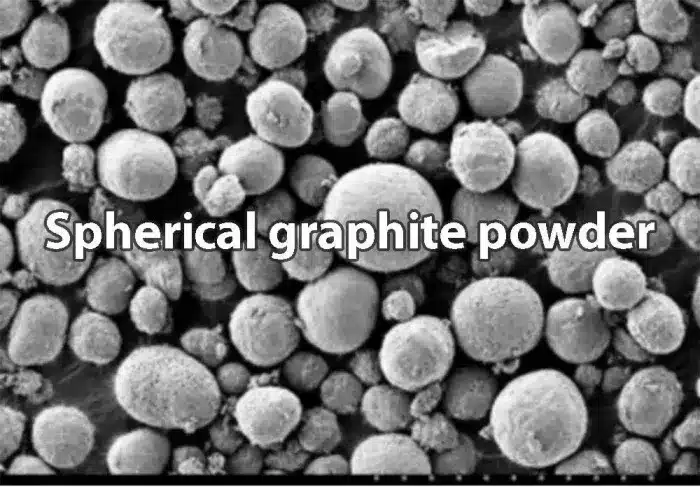
Ultrafine powder coatings often consist of irregular lumps or flakes, which easily agglomerate, leading to poor fluidization. The closer the powder is to a sphere, the smaller its specific surface area and the fewer the contact points between particles. This makes it less prone to agglomeration and results in a smoother coating appearance.

To obtain spherical or near-spherical particles, the following processes can be considered:

  • Air jet milling: Utilizes high-speed airflow to cause particles to self-collision and break down. It has a certain “self-shaping” effect, resulting in smoother particles, but is more expensive.
  • Cryogenic grinding: Uses liquid nitrogen to embrittle the resin before pulverizing. The particles have a more regular morphology, but sphericity is limited.
  • Mechanical shaping: Adding friction chambers or rotating airflow after pulverization polishes away the sharp edges of the particles, making them more spherical.
  • Spray drying: Atomizes liquid raw materials into droplets. Surface tension naturally forms spherical particles, which then solidify rapidly. This method offers controllable particle size (10–100 µm) and high sphericity.
에어젯 밀링 MOW-60
에어젯 밀링 MOW-60

Methods to Improve Flowability

There are two main approaches: external force methods and intrinsic methods.

External Force Method

This method introduces external energy into the powder system to reduce particle agglomeration and improve flowability.

Common external forces include pressure, mechanical vibration, centrifugal force, magnetic fields, and acoustic fields. These methods are effective but often require complex equipment systems.

In industrial setups, integration with a Powder coating pulverizer system can help stabilize particle behavior during processing.

Intrinsic Method

This is currently the more mainstream and simpler approach.

It involves adding a small amount of secondary particles into ultrafine powders as “flow aids.” These particles attach to the surface of host particles like tiny rolling balls or spacers, increasing particle spacing and reducing attractive forces, thereby significantly improving flowability.

Common additives include:

  • Nano silica
  • Nano titanium dioxide
  • Nano alumina

However, commercial nano additives still have drawbacks, such as poor compatibility with resin systems and a tendency to agglomerate.

결론

The technological breakthrough of ultrafine powder coatings represents a micro-scale revolution toward precision. It is not merely an environmental alternative but a result of precise powder engineering control.

From particle size, distribution, and morphology to the synergistic interaction with additives, powder coating technology is redefining the boundaries of coating performance.

In this evolution, the powder coating pulverizer plays a central role in enabling finer particle control, better flowability, and higher-quality coating performance.


에밀리 첸

“"읽어주셔서 감사합니다. 제 글이 도움이 되었으면 좋겠습니다. 아래에 댓글을 남겨주세요. 추가 문의 사항이 있으시면 젤다 온라인 고객 상담원에게 문의하셔도 됩니다."”

— 게시자 에밀리 첸
문의하기

당사 전문가가 6시간 이내에 연락하여 기계 및 프로세스에 대한 귀하의 요구 사항을 논의해 드립니다.

    다음을 선택하여 인간임을 증명하십시오..

    관련 게시물