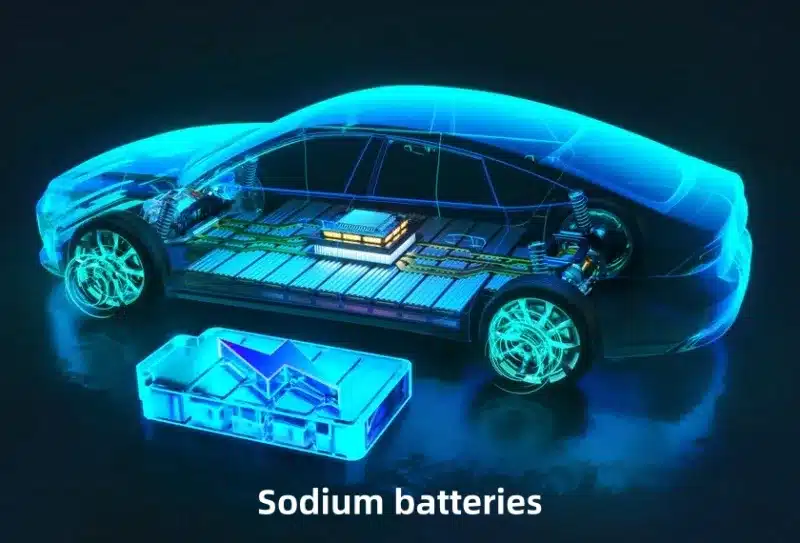
التطبيق الواسع النطاق لـ بطاريات الليثيوم أيون مع ازدياد استهلاك موارد الليثيوم عالميًا، قد تحدّ تكلفة المواد الخام وتوافرها من تطويرها مستقبلًا. يتمتع الصوديوم بخصائص فيزيائية وكيميائية مشابهة لليثيوم، وهو متوفر بكثرة في الطبيعة. وبفضل وفرة احتياطيات المواد الخام، وانخفاض التكلفة، والسلامة، وملاءمتها للبيئة، تتمتع بطاريات أيونات الصوديوم بآفاق تطبيق واسعة في أنظمة تخزين الطاقة واسعة النطاق والمركبات الكهربائية منخفضة السرعة.
فوسفات الصوديوم والفاناديوم نوع جديد من بطاريات أيونات الصوديوم المائية. مادة الكاثود فيها هي فوسفات الصوديوم والفاناديوم (Na₃V₂(PO₄)₃)، وهي من مواد كاثود الصوديوم. أما مادة الأنود فهي تيتانات الصوديوم النانوية (Na₂Ti₃O₇)، والإلكتروليت فيها مائي. تتميز مادة الكاثود في بطاريات فوسفات الصوديوم والفاناديوم بثبات خصائصها الكيميائية، مما يضمن تشغيلًا مستقرًا للبطارية على المدى الطويل. ومع التطورات التكنولوجية المستمرة، تتزايد آفاق استخدام بطاريات فوسفات الصوديوم والفاناديوم.
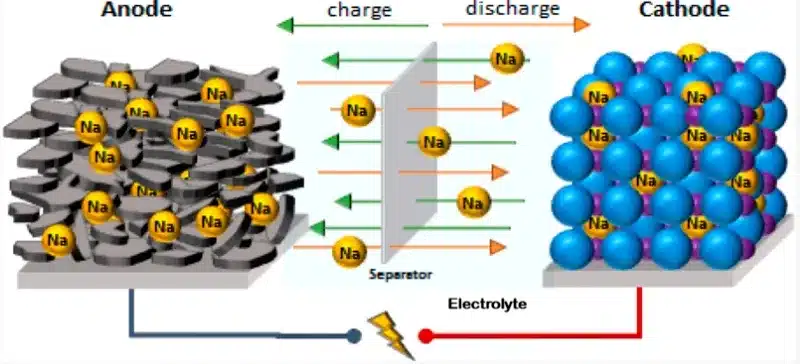
خصائص بطاريات فوسفات الصوديوم والفاناديوم
بالمقارنة مع بطاريات الليثيوم أيون التقليدية، تتميز بطاريات فوسفات الصوديوم والفاناديوم بالخصائص التالية:
1. استقرار ممتاز للدورة
تتميز بطاريات فوسفات الصوديوم والفاناديوم بثبات ممتاز في دورة الشحن والتفريغ، ويمكنها تحقيق عمر خدمة طويل من خلال دورات الشحن والتفريغ الممتدة.
2. مستوى عالٍ من الأمان
نظراً لأن بطاريات فوسفات الصوديوم والفاناديوم تستخدم إلكتروليت مائي ولا تحتوي على مذيبات عضوية، فإنها توفر أداءً فائقاً من حيث السلامة، كما أنها أقل عرضة للاشتعال أو الانفجار في ظل درجات حرارة عالية أو صدمات خارجية.
3. انخفاض التكلفة
تُعد تكلفة إنتاج بطاريات فوسفات الصوديوم والفاناديوم منخفضة نسبيًا، مما يوفر فوائد اقتصادية جيدة ويجعلها جذابة للتطبيقات واسعة النطاق.
عمليات تصنيع فوسفات الصوديوم والفاناديوم
أصبحت تقنية تصنيع فوسفات الصوديوم والفاناديوم ناضجة نسبياً وتشمل بشكل أساسي طريقة تفاعل المحلول، وطريقة تفاعل التبادل الأيوني، وطريقة التخليق الكيميائي.
من بين طرق التحضير هذه، تُعدّ طريقة تفاعل المحلول وطريقة تفاعل التبادل الأيوني الأكثر شيوعًا في الإنتاج الصناعي، وذلك لسهولة تطبيقهما وانخفاض تكلفتهما. ورغم أن طريقة التخليق الكيميائي أكثر تعقيدًا نوعًا ما، إلا أنها تُنتج فوسفات الصوديوم والفاناديوم بنقاوة أعلى، مما يجعلها مناسبة لتطبيقات مواد كاثود الصوديوم عالية الأداء.
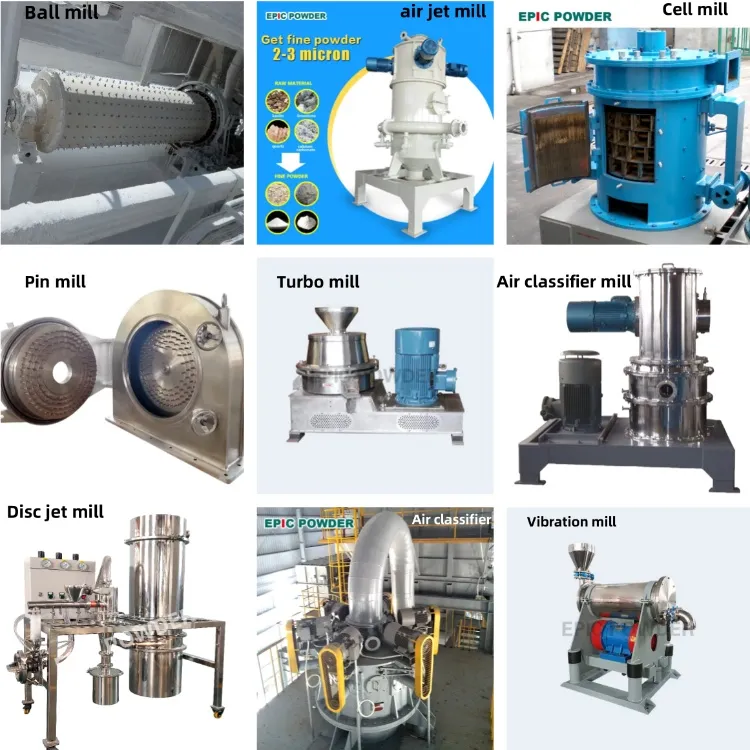
تطبيق مطاحن جيت في عملية تفتيت فوسفات الصوديوم والفاناديوم
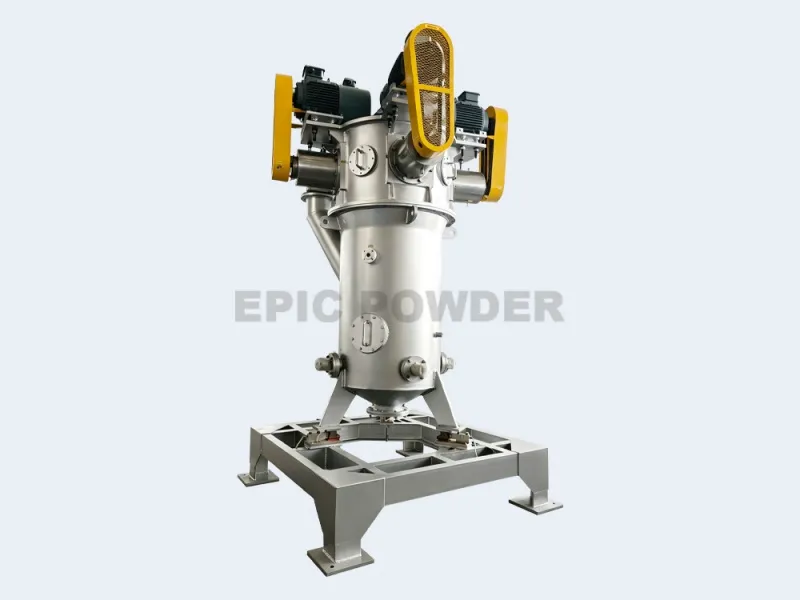
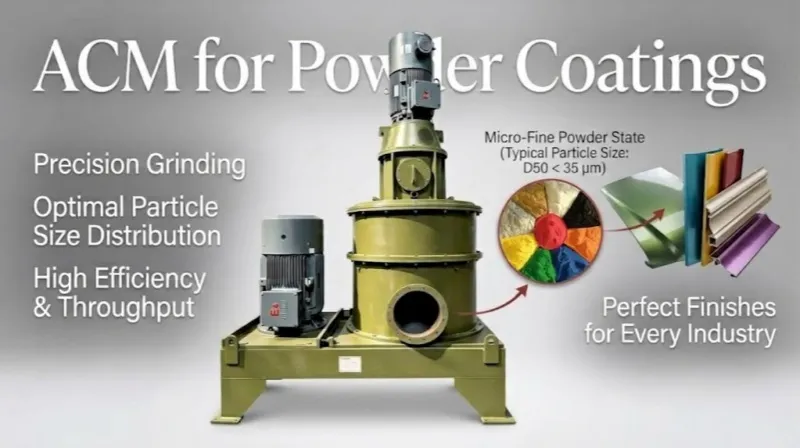
تتميز جزيئات فوسفات الصوديوم والفاناديوم المُصنّعة عادةً بحجمها الكبير نسبيًا وتوزيعها الواسع في الحجم، مما قد يؤثر بشكل كبير على أداء البطارية. ولتقليل حجم الجزيئات وتحسين تفاعل المسحوق، يمكن استخدام مطحنة نفاثة.
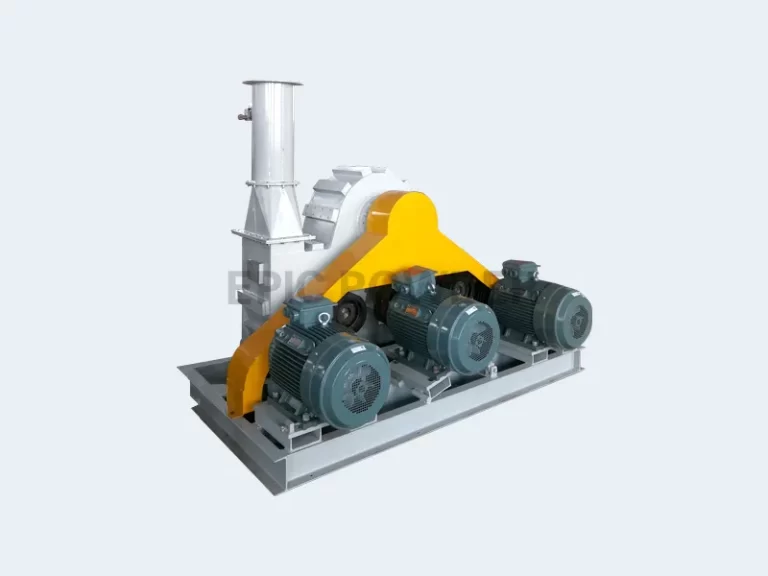
تعتمد آلية عمل مطحنة النفث على ما يلي: تدخل المادة إلى حجرة الطحن بشكل مماس بفعل قوة الشفط الناتجة عن تدفق الهواء عالي السرعة المار عبر فوهة فنتوري. وبمجرد دخول الجزيئات إلى حجرة الطحن، تتسارع بفعل الفوهات الموزعة حول محيط الحجرة، لتصل سرعتها إلى ما يقارب 2.5 ضعف سرعة الصوت. وعندما تصطدم هذه الجزيئات عالية السرعة ببعضها، يحدث التفتيت الدقيق من خلال تصادم الجزيئات ببعضها.
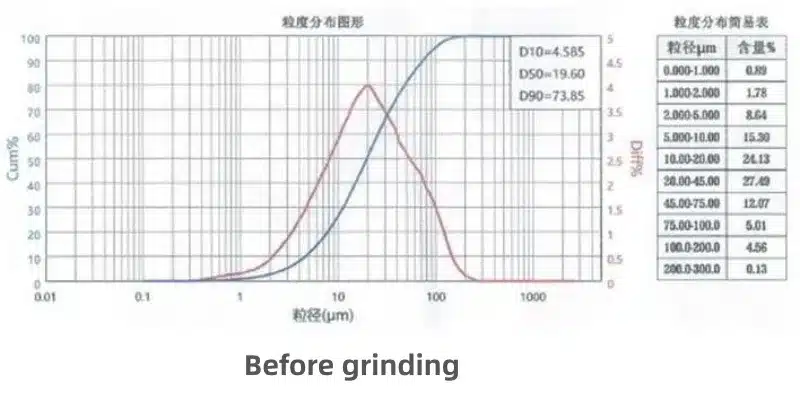
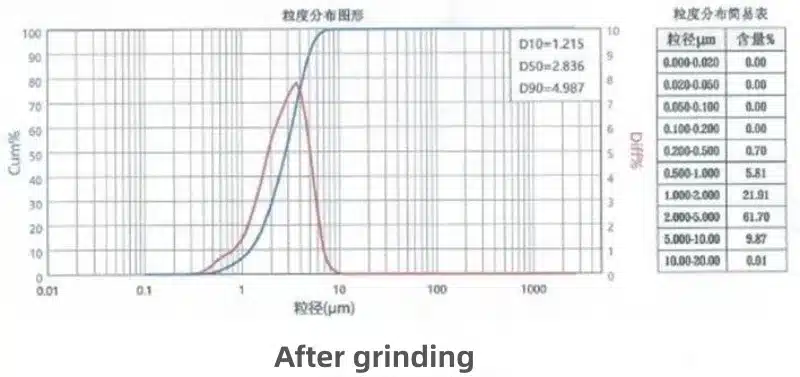
أُجري تحليل لحجم الجسيمات للعينات قبل وبعد الطحن النفاث باستخدام محلل حجم الجسيمات الليزري. أظهرت النتائج أن حجم جسيمات فوسفات الصوديوم والفاناديوم المُصنّع يبلغ 73.85 ميكرومترًا (D90). بعد معالجة الطحن النفاث، انخفض حجم الجسيمات D90 بشكل ملحوظ إلى 4.987 ميكرومترًا، مما مكّن المسحوق من المرور عبر منخل ذي فتحات 325. وقد استوفى المنتج مواصفات العميل بالكامل. تُعدّ هذه المساحيق المطحونة بدقة مواد كاثود صوديوم عالية الجودة، مناسبة لتطبيقات البطاريات المتقدمة.
التعليمات
السؤال الأول: لماذا يؤثر حجم جزيئات فوسفات الصوديوم والفاناديوم بشكل كبير على أداء البطارية؟
إجابة:
يؤثر حجم الجسيمات بشكل مباشر على الأداء الكهروكيميائي لمواد الكاثود المصنوعة من فوسفات الصوديوم والفاناديوم. فالجسيمات الأكبر حجماً تتميز بمساحة سطحية نوعية أصغر، مما يقلل من مساحة التلامس بين المادة الفعالة والإلكتروليت، ويزيد من مسار انتشار الأيونات. وهذا بدوره قد يؤدي إلى انخفاض معدل الشحن والتفريغ وقصر عمر الدورة.
بالإضافة إلى ذلك، قد يؤدي التوزيع غير المتجانس لحجم الجسيمات إلى عدم اتساق كثافة ضغط القطب. وهذا بدوره يزيد المقاومة الداخلية ويؤدي إلى ضعف الأداء أثناء الشحن والتفريغ السريع. لذا، فإن طحن مسحوق فوسفات الصوديوم والفاناديوم باستخدام مطحنة نفاثة يمكن أن يزيد بشكل ملحوظ من مساحة سطحه النوعية وتجانس حجم جسيماته. وهذا بدوره يعزز الأداء العام للبطارية ويحسن جودة مواد كاثود الصوديوم.
السؤال الثاني: ما هي مزايا استخدام مطحنة نفاثة لتفتيت فوسفات الصوديوم والفاناديوم إلى جزيئات دقيقة؟
إجابة:
بالمقارنة مع طرق الطحن الكروي التقليدية أو طرق الطحن الميكانيكية، توفر المطاحن النفاثة المزايا التالية:
1. حجم جسيمات قابل للتحكم وموحد
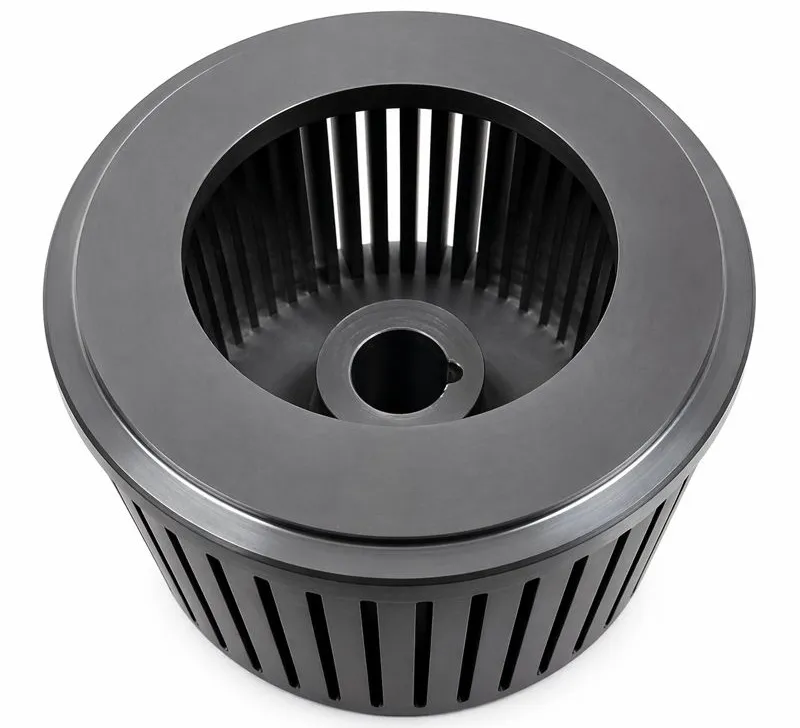
من خلال ضبط سرعة تدفق الهواء، وتصميم غرفة الطحن، وأنظمة التصنيف، يمكن للمطاحن النفاثة التحكم بدقة في معايير حجم الجسيمات مثل D50 وD90. وهذا يتيح الطحن فائق النعومة وتوزيع الجسيمات بشكل متجانس للغاية.
2. الوقاية من التلف الحراري والتلوث
تعتمد عملية الطحن النفاث على تصادمات عالية السرعة بين الجزيئات بدلاً من استخدام وسائط الطحن. ونتيجة لذلك، يكون توليد الحرارة ضئيلاً، مما يساعد على الحفاظ على الاستقرار الكيميائي لفوسفات الصوديوم والفاناديوم مع منع التلوث الناتج عن وسائط الطحن.
3. كفاءة عالية وإنتاج مستمر
تتميز مطاحن النفث بقدرتها على العمل بشكل مستمر، مما يجعلها مناسبة للإنتاج الصناعي واسع النطاق. كما أنها تقلل من خطوات المعالجة الثانوية وتساعد على خفض تكاليف التصنيع الإجمالية.
4. تصميم مبطن بالسيراميك لمنع التلوث المعدني
يمكن تبطين جميع المكونات التي تتلامس مباشرة مع المادة - بما في ذلك حجرة الطحن، وفوهات فنتوري، وعجلة التصنيف، وأنابيب النقل - بسيراميك من كربيد السيليكون (SiC) أو الألومينا (Al₂O₃) أو الزركونيا (ZrO₂) لتوفير حماية على مستوى الميكرون. يحقق هذا التصميم انعدامًا شبه تام لتلوث الحديد، ويضمن أن محتوى الشوائب المغناطيسية في مادة الكاثود يفي بمعايير الجودة الصارمة المستخدمة في صناعة البطاريات.
خاتمة
ختاماً، تُعدّ مطحنة النفث حلاً فعالاً لتفتيت فوسفات الصوديوم والفاناديوم إلى جزيئات دقيقة. فهي تُقلّل حجم الجزيئات بشكل ملحوظ وتُحسّن تجانسها، مما يُسهم في تعزيز الأداء الكهروكيميائي لمواد كاثود الصوديوم.
إضافةً إلى ذلك، توفر مطحنة النفث معالجة خالية من التلوث، وتوليد حرارة منخفض، وكفاءة إنتاج عالية. هذه المزايا تجعلها مناسبة تمامًا للتصنيع على نطاق واسع. ومع استمرار نمو صناعة بطاريات أيونات الصوديوم، ستلعب تقنية مطحنة النفث المتقدمة دورًا هامًا في إنتاج مواد كاثود الصوديوم عالية الجودة ودعم تطوير أنظمة تخزين طاقة موثوقة وفعالة من حيث التكلفة.
“شكراً لقراءتكم. أتمنى أن يكون مقالي مفيداً. يُرجى ترك تعليق أدناه. كما يمكنكم التواصل مع ممثل خدمة عملاء زيلدا عبر الإنترنت لأي استفسارات أخرى.”
— نشر بواسطة إميلي تشين