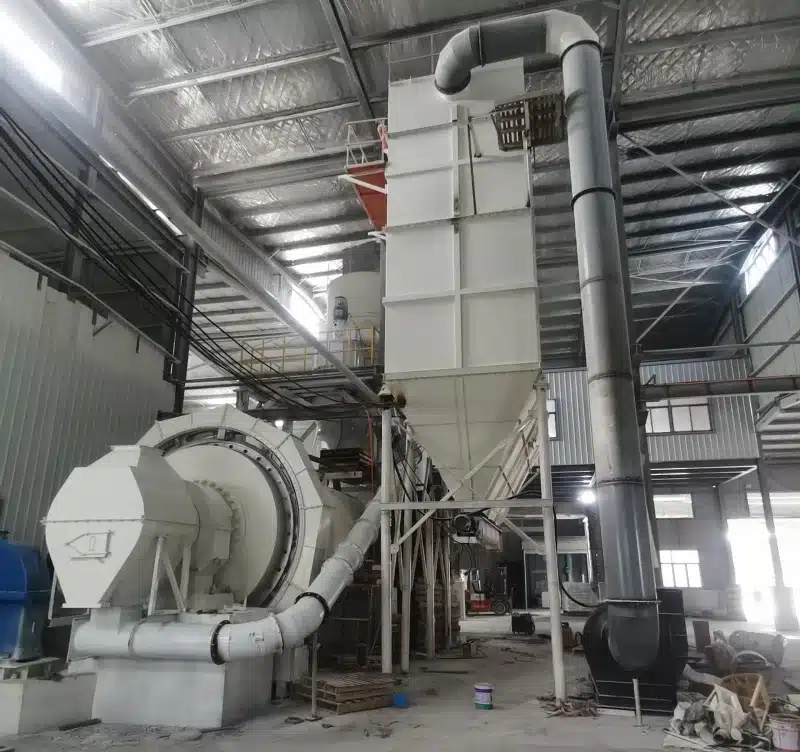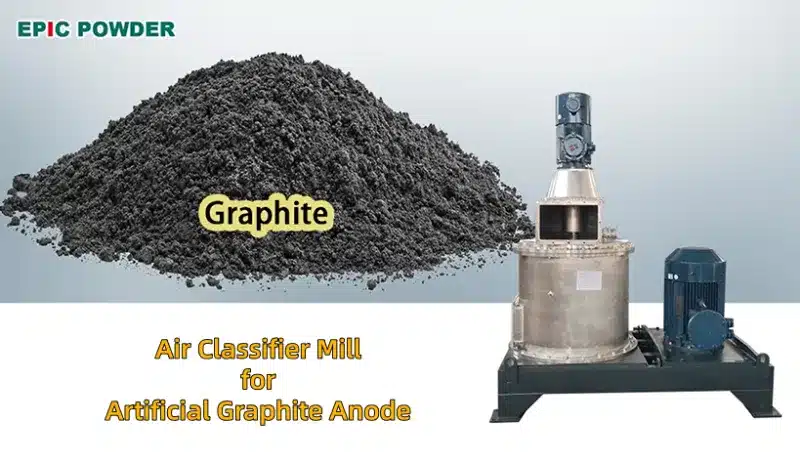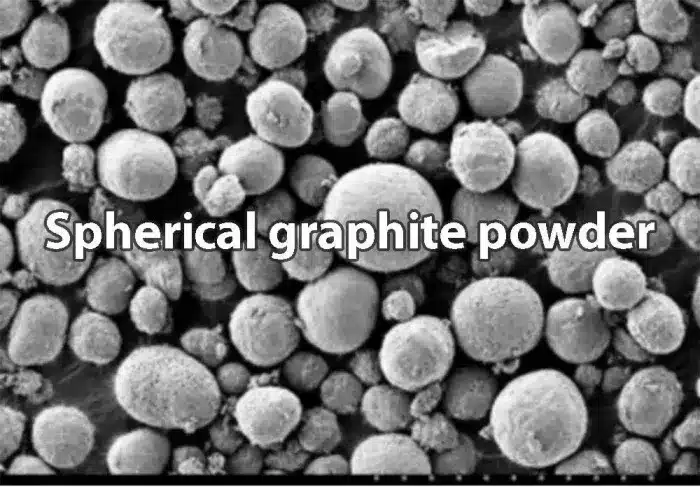
Discarded waste lithium batteries contain a significant amount of non-renewable heavy metal resources with high economic value. The positive electrode material of lithium batteries is lithium cobalt oxide powder. The negative electrode material is graphite powder. Both electrodes contain substantial quantities of metals such as cobalt, nickel, manganese, copper, and aluminum.
Effective recycling and processing of discarded or unqualified lithium batteries can not only alleviate the environmental pressure. It can also prevent the wastage of valuable heavy metals like cobalt, nickel, and manganese. Consequently, countries worldwide place great importance on the recycling of waste lithium batteries. This is due to resource limitations and the need for environmental governance.
1. Dry recycling and wet recycling
1. Comparative Analysis: Wet vs. Dry Recycling Technologies
In the process of recycling and treating waste lithium batteries, two main technologies are utilized: dry recycling and wet recycling.
- Wet Recycling Technology: This approach involves a long process route, requires significant initial investment, and demands numerous pieces of equipment. Furthermore, it is unable to recycle aluminum metal and cannot effectively treat the PVDF (polyvinylidene fluoride) binders present in lithium batteries.
- Dry Recycling Technology: This method is mainly divided into high-temperature (~800°C) and low-temperature (~400°C) dry processes. It features a shorter process route and fewer equipment requirements. While it can effectively treat PVDF, it suffers from high energy consumption and requires substantial heat. Additionally, the dry treatment process inevitably produces acidic hydrogen fluoride gas (HF) or other hydrogen halide gases, alongside organic cracking waste gases. These emissions must be treated separately to avoid significant environmental impact, necessitating a large investment in specialized environmental protection facilities.
2. System Composition: The Central Role of Air Separation
Standard lithium battery recycling and processing equipment typically integrates three primary modules:
- A disassembly line (for battery repurposing/second-life applications).
- A grinding and crushing air separation line (The core technology hub).
- An extraction (and re-extraction) production line.
The grinding and crushing air separation line serves as the absolute core of the complete lithium battery recycling and processing ecosystem.
3. Industry Bottlenecks: Safety Risks and High Operational Costs
Despite technological advancements, many conventional manufacturers still rely on a legacy process. This workflow involves a sequence of: Shredding →Secondary Crushing → Grinding → Air Separation (utilizing external high and medium temperature furnaces).
The critical flaw in this widespread process is its failure to address the flammable and explosive risks associated with handling live, charged waste lithium batteries at the source. Consequently, managing these safety hazards drives up processing costs, pushing them toward an unsustainable 3,000 yuan per ton.
4. Technical Breakthrough: Vacuum Pyrolysis and Gas-Free Cost Reduction
To eliminate these industry pain points, we have introduced advanced foreign technology and implemented rigorous technological reforms, achieving two major breakthroughs:
- Elimination of Fire and Explosion Risks: The feeding mechanism of our self-produced high-temperature pyrolysis furnace is engineered with variable frequency speed regulation. This design creates a continuous high-temperature vacuum belt, effectively neutralizing the fire and explosion hazards traditionally triggered by mechanical shredders.
- Significant Reduction in Operational Expenses (OpEx): This innovation dramatically lowers equipment production and maintenance costs. Furthermore, because of this unique vacuum environment, the production line does not require expensive nitrogen or other oxygen-isolating gases, drastically slashing day-to-day operational expenses and maximizing profitability.
2. Waste Lithium Battery Recycling and Processing System
1. Core Processing Sequence
This system includes waste lithium battery recycling and processing equipment, as well as waste gas treatment equipment.
The main processing line consists of three primary stages connected in sequence:
- A lithium battery recycling pre-processing shredding device.
- A pyrolysis device.
- A post-processing device (which includes secondary crushing, grinding, and air separation equipment).
2. Pyrolysis Device Sub-Components
The pyrolysis device integrates several critical components. They are connected sequentially in the following order:
- A pyrolysis furnace.
- A variable frequency air volume control device.
- A production pre-processing device.
- A dry rotary kiln integration.
- A post-processing device.
3. Exhaust and Environmental Connections
The system’s gas routing is meticulously networked to handle emissions:
- The exhaust port of the dry rotary kiln is three-dimensionally connected to the discharge port of the pre-processing shredding device. It is also linked to the production environmental protection device.
- The cracking waste gas outlet of the pyrolysis furnace is directly connected to the environmental protection device.
4. Heat Recovery and Flow Control
To address the issue of high energy consumption in the dry-process recycling of waste lithium batteries, the complete set of equipment includes an external heat exchanger. This heat exchanger is installed on the outside of the pyrolysis furnace.
Its connection and control network are configured as follows:
- The air inlet of the external heat exchanger connects to the high-temperature flue gas discharge port of the environmental protection device.
- The connecting pipe between the cracking waste gas outlet of the pyrolysis furnace and the dry-process rotary kiln is equipped with an insulation sleeve.
- One of the branch pipes connects to the air inlet of the external heat exchanger.
- A flow regulating device is installed at the high-temperature flue gas discharge port to manage the volume.
5. Energy-Saving Loop
The system utilizes a closed-loop thermal recovery process. The waste gas generated by the dry-process rotary kiln first enters the environmental protection device.
From there, it travels through the high-temperature flue gas discharge port and enters the external heat exchanger of the pyrolysis device. This recycled gas serves as the primary heat source for the pyrolysis furnace, significantly lowering energy costs.
3. Flow Regulating Device Purpose
The flow regulating device at the high-temperature flue gas discharge port is designed to control the volume of high-temperature flue gas entering the branch pipe. By adjusting the air volume through this device, the temperature of the flue gas entering the air inlet of the external heat exchanger can be maintained within the range of 400°C to 1000°C.
Ideally, this temperature should be controlled between 500°C and 650°C. This creates a vacuum zone, ensuring that the shredder and pyrolysis furnace operate in an oxygen-free environment, effectively addressing fire and explosion prevention in lithium battery recycling from the source.
After being shredded, the waste lithium batteries are fed into the pyrolysis furnace, where the organic materials within the batteries undergo pyrolysis. During this process, the binder PVDF, lithium hexafluorophosphate, and organic solvents present in the waste lithium batteries decompose due to the heat, generating cracking waste gas. This cracking waste gas is then burned, resulting in the production of carbon dioxide, water, HF, and other gases.
The nano-sized calcium oxide in the waste gas treatment device is highly active at operating temperatures. It rapidly reacts with HF to form calcium fluoride, preventing HF from entering the atmosphere. Similarly, any remaining hydrogen halide gases combine with calcium to form calcium halide, while the carbon dioxide and water are treated by the cement production environmental protection device, ensuring they meet emission standards.

“Thanks for reading. I hope my article helps. Please leave a comment down below. You may also contact Zelda online customer representative for any further inquiries.
— Posted by Emily Chen
“