في صناعات مثل الكيماويات والأدوية وتصنيع الأغذية والطاقة المتجددة، يُعدّ التحكم في حجم جزيئات المساحيق عاملاً حاسماً في تحديد جودة المنتج وكفاءة الإنتاج. فعلى سبيل المثال، تتطلب مواد البطاريات توزيعًا متجانسًا للجزيئات لضمان التوصيل الكهربائي؛ ويجب تصنيف مساحيق الأدوية بدقة لضمان دقة الجرعات؛ كما تحتاج مساحيق الأغذية إلى ذوبان وملمس ثابتين. ويُعدّ جهاز تصنيف المساحيق الهوائي الجهاز الرئيسي الذي يُتيح تحقيق هذه الأهداف، وهو جهاز عالي الكفاءة يستخدم مبادئ الديناميكا الهوائية لفصل الجزيئات ذات الأحجام المختلفة بدقة متناهية.
1. مبدأ التصنيف: كيف يصبح تدفق الهواء "فرزاً"؟
يكمن المبدأ الأساسي لمصنف المساحيق الهوائي في استغلال الاختلافات في القوى المؤثرة على الجزيئات داخل تيار الهواء. عند إدخال مساحيق مختلطة إلى حجرة التصنيف بسرعة عالية:
- الجسيمات الخشنة: نظرًا لكتلتها الأكبر وقصورها الذاتي الأقوى، فإنها تصطدم مباشرة بعجلة المصنف أو جدار الحجرة وتستقر؛;
- الجسيمات الدقيقة: بكتلة أصغر، فإنها تتبع تدفق الهواء وتمر عبر فجوات عجلة التصنيف، مما يحقق الفصل بين الأجزاء الخشنة والدقيقة.
تشبه هذه العملية عملية الغربلة التقليدية، ولكن على عكس المناخل، لا تتطلب عملية التصنيف الهوائي استخدام غربال مادي، مما يجنب الانسداد والتآكل وارتفاع درجة الحرارة. علاوة على ذلك، يمكنها التعامل مع الجسيمات متناهية الصغر (عادةً من 1 إلى 100 ميكرومتر)، مما يحقق دقة أعلى في التصنيف.
على سبيل المثال، في معالجة كربونات الكالسيوم، مصنف الهواء يمكن فصل المواد الخام إلى درجات متعددة مثل 200 مش، و325 مش، و600 مش لتلبية متطلبات التطبيقات المختلفة: فالمسحوق الناعم لحشوات الورق يحسن نعومة السطح، بينما يعزز المسحوق الخشن متانة البلاستيك. يتجاوز مستوى دقة التصنيف هذا بكثير معدات الغربلة التقليدية، ويمكن أن تزيد كفاءة الإنتاج الإجمالية بأكثر من 301 طن/طن.
2. هيكل المعدات: أربع وحدات رئيسية تعمل بتناغم
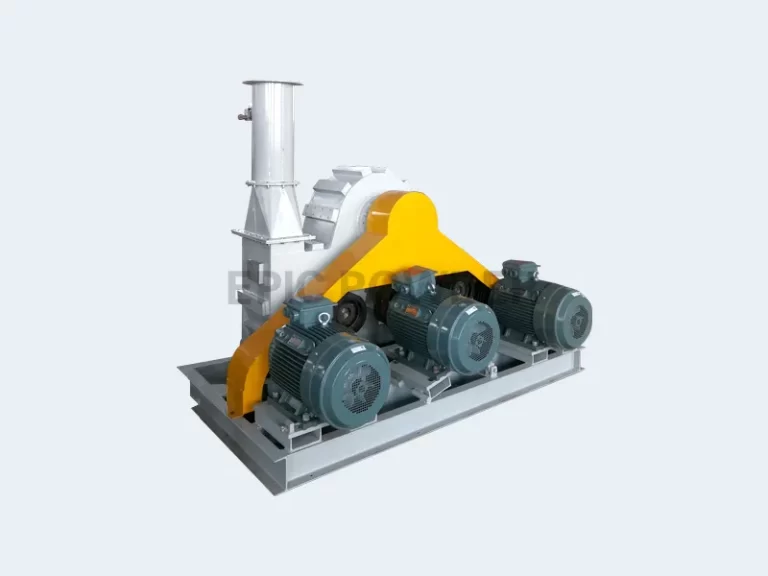
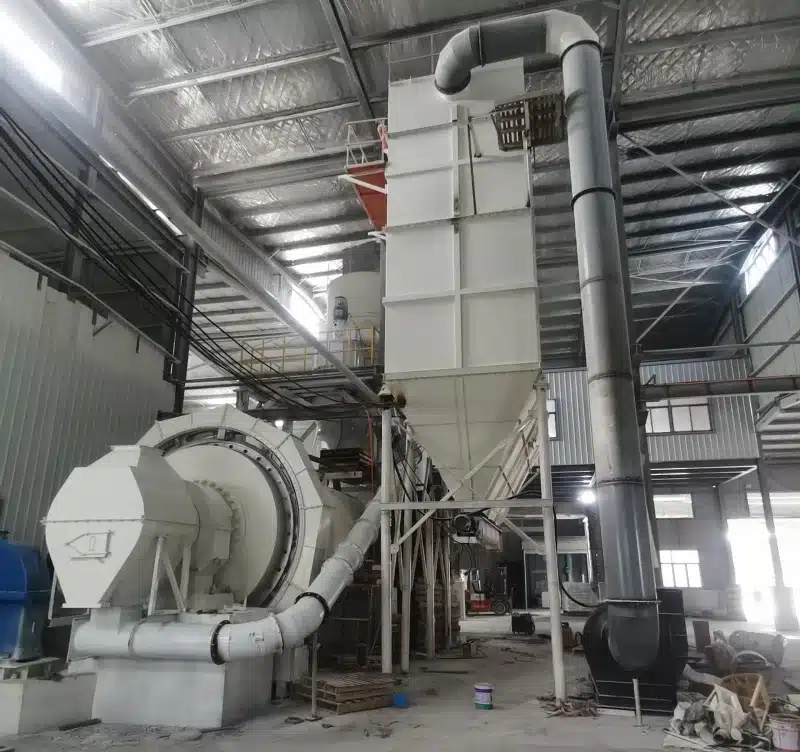
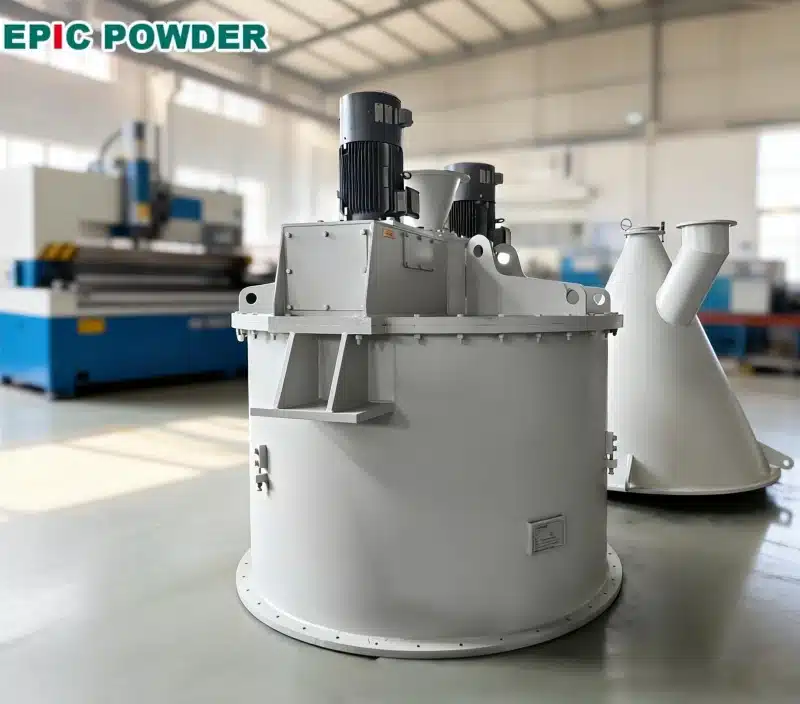
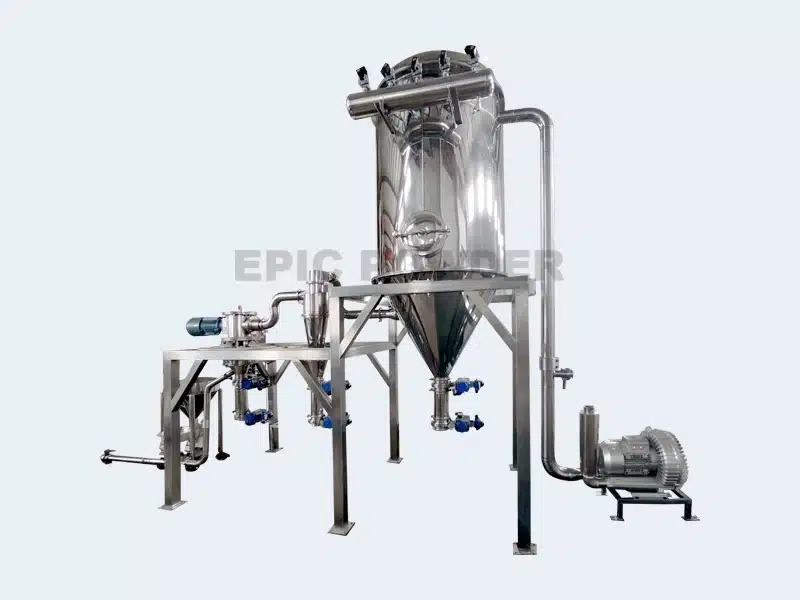
يتكون جهاز تصنيف الهواء النموذجي من أربع وحدات أساسية، تعمل كل منها بشكل وثيق لضمان التصنيف الدقيق والإخراج المستقر:
- نظام التغذية
- يقوم بتوصيل المساحيق بشكل موحد إلى حجرة التصنيف عبر وحدة تغذية اهتزازية أو ناقل لولبي، مما يمنع التراكم الموضعي أو اضطرابات تدفق الهواء.
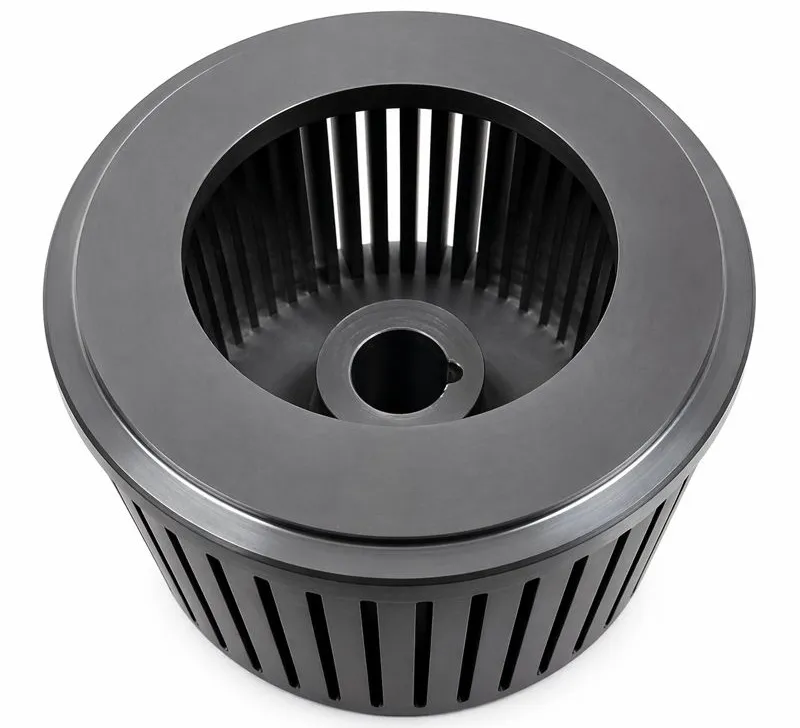
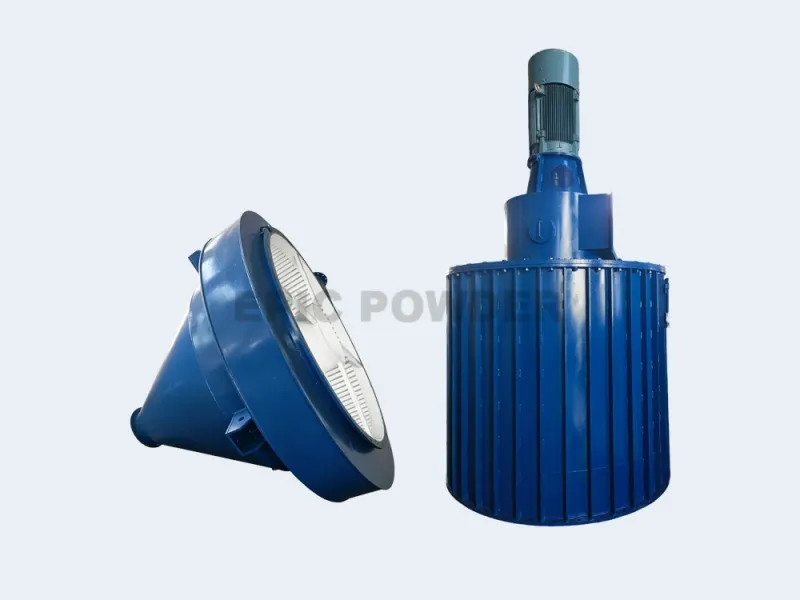
- غرفة التصنيف
- يحتوي المكون الأساسي على عجلة تصنيف دوارة عالية السرعة (دوار). يتميز تصميم الشفرات وموادها (مثل سيراميك الألومينا عالي النقاء أو طلاء كربيد التنجستن المقاوم للتآكل لمنع التلوث المعدني) ودقة تصنيعها العالية للغاية. ومن خلال ضبط سرعة الدوار باستخدام محرك تردد متغير، يمكن التحكم بدقة في حجم الجسيمات المراد فصلها (d50).
- نظام تدفق الهواء
- يعمل النظام بواسطة مروحة سحب عالية السعة وعالية الضغط في اتجاه مجرى الهواء، مما يخلق بيئة ضغط سلبي تمامًا. وهذا يضمن نقلًا مستقرًا للجسيمات مع منع أي غبار من التسرب من النظام.
- نظام التجميع
- يدخل المسحوق الناعم المار عبر عجلة التصنيف أولاً إلى فاصل إعصاري عالي الكفاءة (يجمع أكثر من 90% من المسحوق الناعم المستهدف)، بينما يتم التقاط المخلفات فائقة النعومة بواسطة مرشح أكياس نبضي أو مرشح ألواح مسامية. ويتم تصريف الهواء النظيف بعد التنقية، مما يحقق كفاءة تجميع شاملة تصل إلى 99.9%.
3. المزايا التقنية: الدقة والكفاءة والملاءمة البيئية في منتج واحد
بالمقارنة مع معدات الغربلة التقليدية، توفر المصنفات الهوائية ثلاث مزايا مهمة:
- دقة تصنيف عالية
- من خلال ضبط سرعة الدوار وتدفق الهواء، يمكن تحقيق فصل الجسيمات على مستوى الميكرون، مما يؤدي إلى توزيع أكثر تجانسًا لحجم الجسيمات.
- لا يوجد تآكل للشاشة، وانخفاض في تكلفة الصيانة بنسبة 50%
- تُعتبر الشاشات التقليدية مواد استهلاكية، تتطلب استبدالاً متكرراً، وقد تُلوّث المنتجات. أما المصنفات الهوائية، فتستخدم غالباً بطانات خزفية للحماية من التآكل، مما يُمكّنها من العمل بشكل متواصل لآلاف الساعات دون توقف، وبالتالي خفض تكاليف التشغيل الإجمالية بشكل ملحوظ.
- أداء بيئي ممتاز
- يمنع التصميم المغلق بالكامل تسرب الغبار، ويتوافق مع معايير الإنتاج الصناعي النظيف الحديثة.
على سبيل المثال، في إنتاج مواد الكاثود لبطاريات الليثيوم أيون, ، يمكن لمصنفات الهواء تصنيف مساحيق المواد الأولية إلى D50 = 3 ميكرومتر، 5 ميكرومتر، 8 ميكرومتر، إلخ، مما يضمن استقرار كثافة طاقة البطارية وعمر الدورة - وهو مستوى من الدقة يصعب تحقيقه باستخدام المعدات التقليدية.
4. سيناريوهات التطبيق: من الغذاء إلى الطاقة الجديدة
تتوسع حدود تطبيق مصنفات المساحيق الهوائية بسرعة بالتزامن مع الطفرة العالمية في صناعات المواد الجديدة.
| القطاع الصناعي | المواد النموذجية | التصنيف الأساسي للقيمة التي توفرها الطيران |
|---|---|---|
| بطاريات الطاقة الجديدة | الكاثود (NCM/LFP)، الأنود (Si-C/الجرافيت) | التحكم الصارم في قيمتي d50 و d100 للقضاء على خطر اختراق الجسيمات الكبيرة للفاصل، مما يؤدي إلى تحسين كثافة طاقة البطارية وعمرها الافتراضي بشكل كبير. |
| المستحضرات الصيدلانية الحديثة | مساحيق قابلة للاستنشاق، مواد فعالة دوائية، مساحيق عشبية فائقة النعومة | تحقيق إطلاق متحكم به على مستوى الميكرون، وإزالة الشوائب، وتحسين التوافر البيولوجي ومعدل امتصاص المكونات الصيدلانية النشطة بشكل كبير. |
| أشباه الموصلات والخلايا الكهروضوئية | مسحوق تلميع كربيد السيليكون (SiC)، سيليكون بلوري عالي النقاء | إزالة الجزيئات كبيرة الحجم (منع خدوش الرقاقة)، وتوفير حجم جزيئات متناسق للغاية لتقطيع وتلميع المساحيق الدقيقة. |
| مواد حشو كيميائية متطورة | كربونات الكالسيوم فائقة النعومة، ثاني أكسيد التيتانيوم، الكاولين المكلس | تصنيف المواد الخام بدقة إلى درجات 1250 شبكة، 2500 شبكة، 5000 شبكة للورق عالي الجودة وطلاءات السيارات. |
| الأطعمة الصحية | مسحوق أبواغ ذات جدار مكسور، بروبيوتيك مغلف دقيقًا، دقيق فائق النعومة | تحسين الملمس عن طريق التخلص من الشعور بالخشونة، وتعزيز الذوبان وكفاءة إطلاق النكهة للمنتجات سريعة التحضير. |
علاوة على ذلك، يمكن دمج مصنفات الهواء مع معدات الطحن فائقة الدقة لتحقيق معالجة المساحيق فائقة النعومة "بخطوة واحدة"، مما يزيد من توسيع تطبيقاتها الصناعية.
5. الخلاصة: إن "فن فصل" الجسيمات الدقيقة يحمل حكمة عظيمة
من حجم الجسيمات المجهري إلى التأثير الصناعي الكبير، يتحكم مصنف المساحيق الهوائي بدقة في حجم الجسيمات، مما يوفر دعمًا بالغ الأهمية للتطوير عالي الجودة في مختلف الصناعات. سواءً كان الهدف تحسين أداء المنتج، أو خفض تكاليف الإنتاج، أو تلبية المعايير البيئية، فإن هذا الجهاز يُظهر قيمة لا تُضاهى.
في المستقبل، ومع تزايد الطلب على التصنيع الدقيق والإنتاج المستدام والمواد عالية الأداء، تتسع آفاق تطبيق تقنية تصنيف الهواء بشكل أكبر. فكل عملية فصل دقيقة للجسيمات الدقيقة قد تُمهد الطريق للابتكار والاختراق الصناعي القادم.

“شكراً لقراءتكم. أتمنى أن يكون مقالي مفيداً. يُرجى ترك تعليق أدناه. كما يمكنكم التواصل مع ممثل خدمة عملاء زيلدا عبر الإنترنت لأي استفسارات أخرى.”
— نشر بواسطة إميلي تشين